Signs Your Roof Has Poor Ventilation
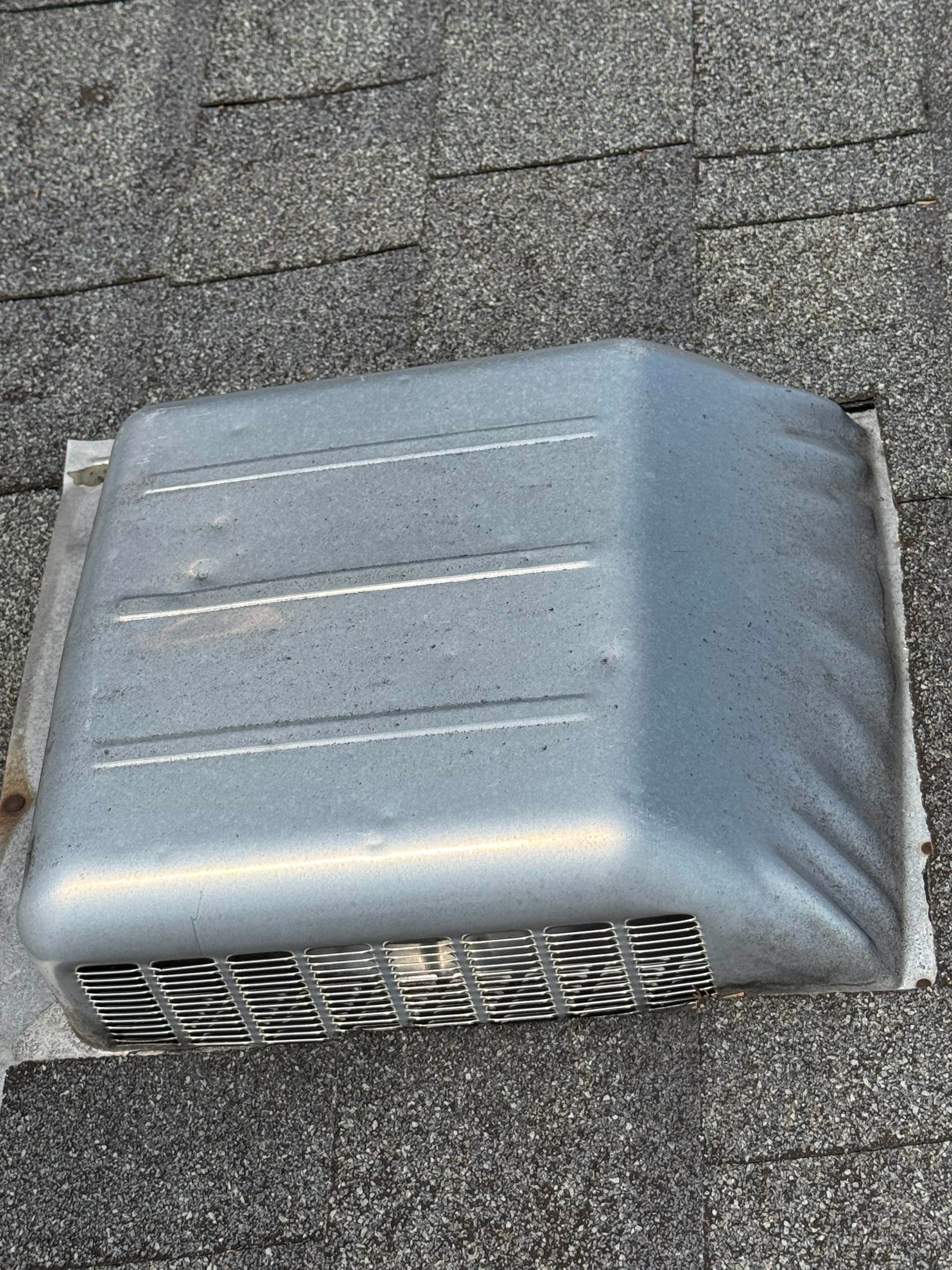
Proper roof ventilation is one of the most important but often overlooked parts of a roofing system. In Northeast Ohio, where homes experience hot summers, cold winters, and frequent temperature changes, poor ventilation can lead to serious issues over time. Roof ventilation works by allowing air to flow through the attic using intake and exhaust systems like soffit vents and ridge vents. When this airflow is restricted or improperly installed, it can cause damage to your roof, increase energy costs, and even lead to moisture problems inside your home. If you’re unsure about your roof’s condition, it’s a good idea to schedule an inspection or request a roofing quote to evaluate your ventilation system.
Excessive Heat in the Attic
One of the most common signs of poor roof ventilation is excessive heat buildup in the attic. During warmer months, a poorly ventilated attic can trap hot air, causing temperatures to rise significantly. This heat can transfer into your living space, making your home harder to cool and increasing your energy bills. Over time, excessive heat can also cause roofing materials to age faster and reduce the lifespan of your residential roofing system.
Ice Dams During the Winter
In colder months, poor ventilation can contribute to the formation of ice dams. Ice dams occur when warm air trapped in the attic melts snow on the roof, which then refreezes at the edges. This can cause water to back up under the shingles and lead to leaks inside the home. Ice dams are a common issue in Northeast Ohio and are often a sign that your attic is not properly ventilated.
Moisture and Mold in the Attic
Another major sign of poor ventilation is moisture buildup in the attic. Without proper airflow, humidity can become trapped, leading to condensation on wood surfaces and insulation. Over time, this moisture can cause mold and mildew growth, which can damage your home and affect indoor air quality. If left untreated, this can lead to costly repairs and may require professional remediation.
Premature Roof Aging
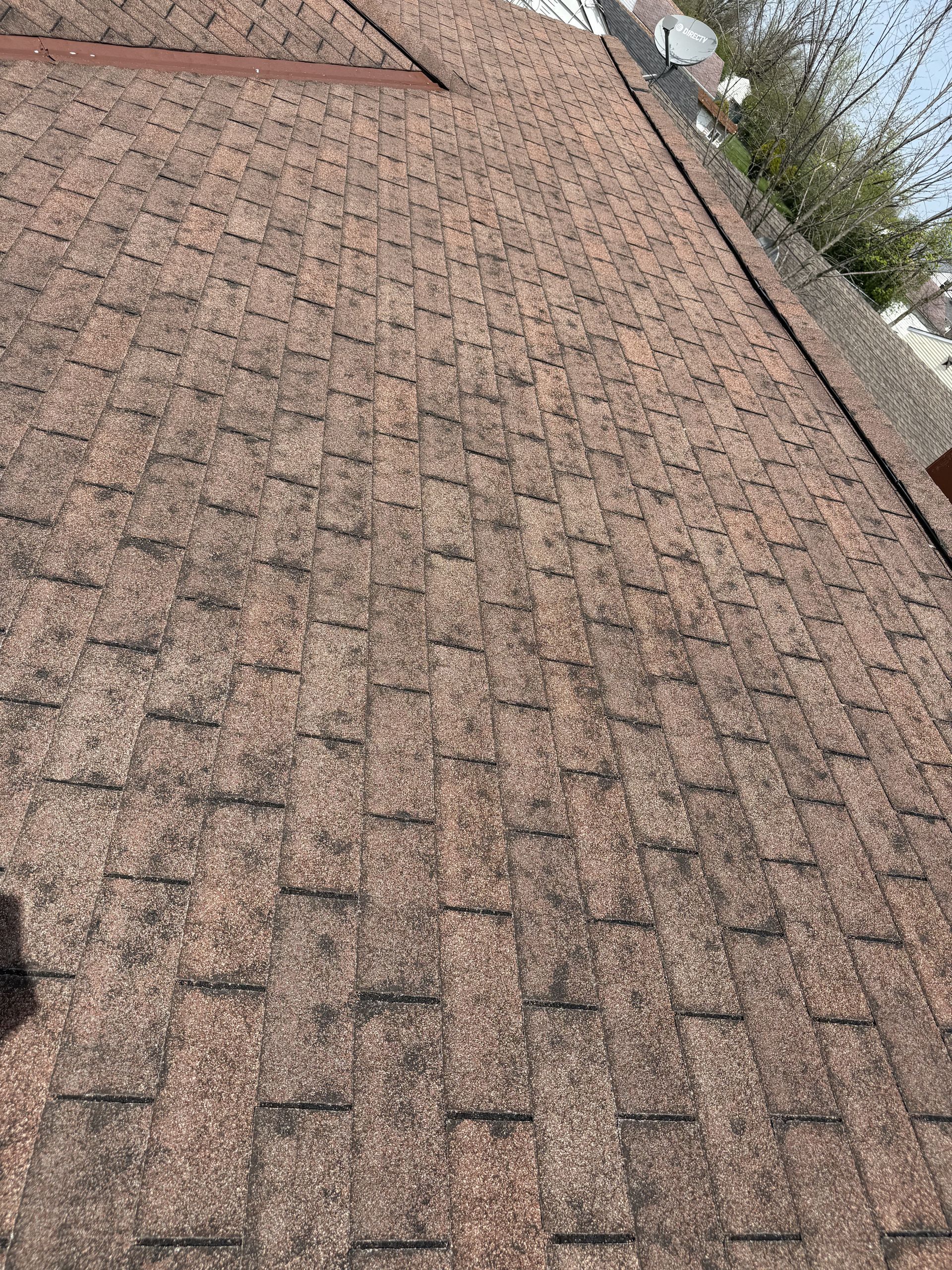
Poor ventilation can significantly shorten the lifespan of your roof. When heat and moisture are trapped in the attic, they can cause shingles to deteriorate more quickly. You may notice curling, cracking, or granule loss earlier than expected. Proper ventilation helps regulate temperature and moisture levels, which protects your roofing system and helps it last as long as possible.
Higher Energy Bills
If your energy bills seem unusually high, poor roof ventilation could be a contributing factor. A hot attic makes your air conditioning system work harder during the summer, while trapped moisture can reduce the effectiveness of insulation. Improving ventilation can help maintain a more consistent indoor temperature and reduce overall energy costs.
Why Proper Ventilation Matters for Homes and Buildings
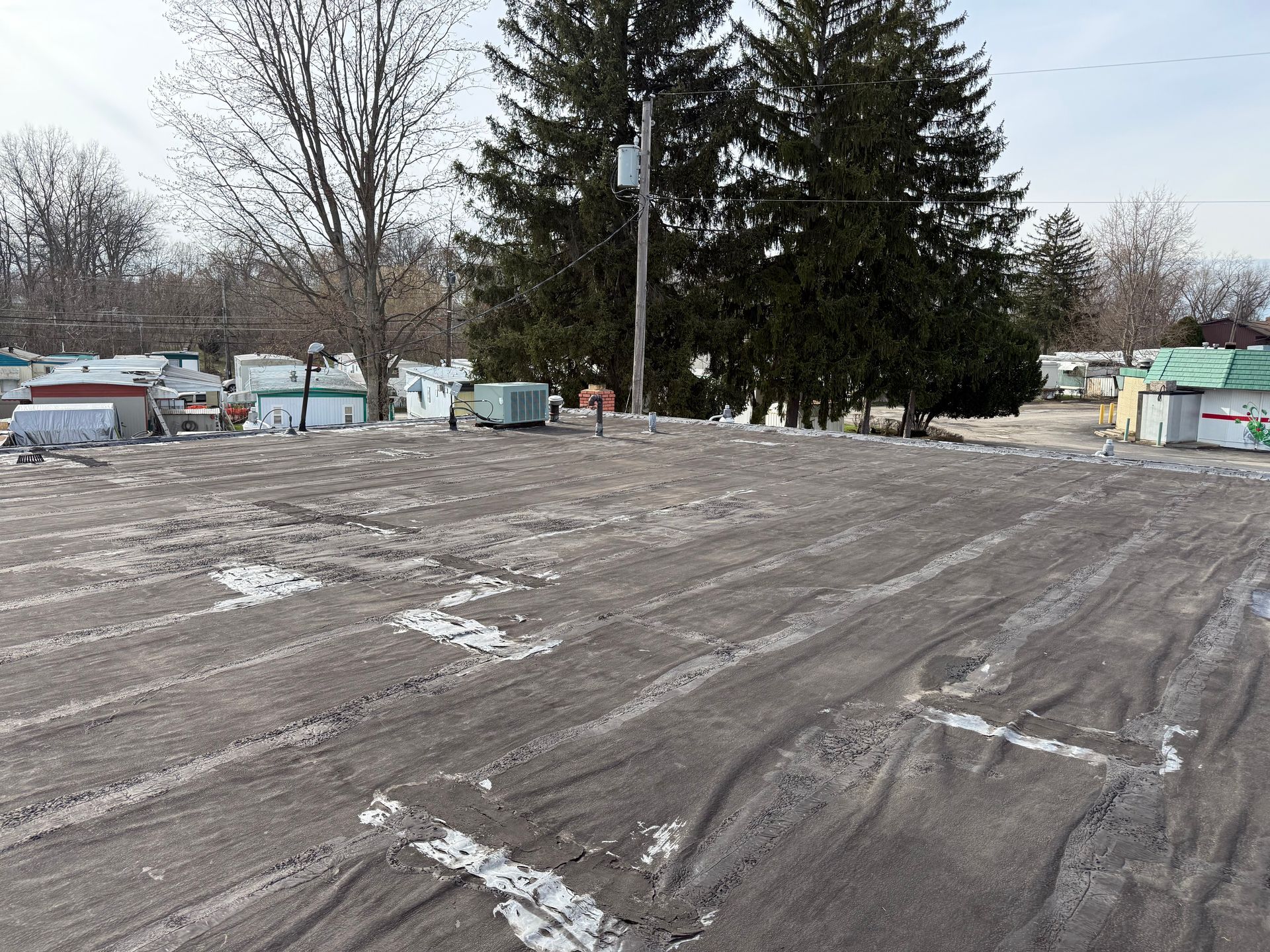
Whether you own a home or a commercial property, proper ventilation is essential for protecting your structure. Ventilation systems must be properly designed and installed to ensure balanced airflow. Property owners with larger or flat roofing systems should also consider having their commercial roofing system evaluated to ensure ventilation is functioning correctly across the entire building.
When to Have Your Roof Ventilation Inspected
If you notice any of these signs, it’s important to have your roof inspected by a professional. Ventilation issues often go unnoticed until they begin causing visible damage. A professional inspection can identify problems with airflow, insulation, and vent placement, and recommend the best solution.
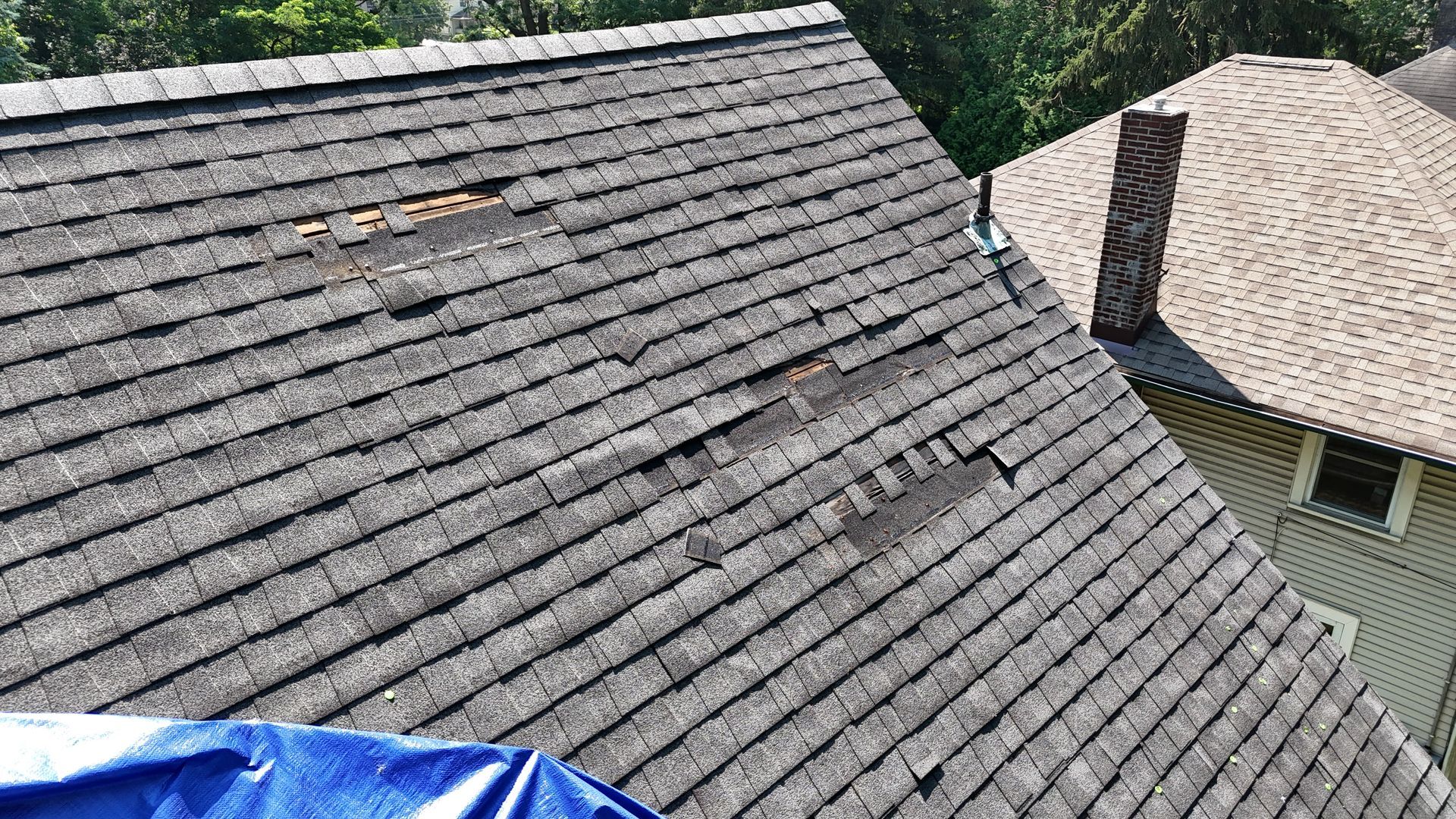
In some cases, ventilation issues may be related to storm damage or changes to the roofing system over time. Working with a contractor experienced in storm restoration services can help ensure that both your roof and ventilation system are properly addressed.
Protect Your Home with Proper Roof Ventilation
At ARC Contracting of Ohio, we help homeowners and property owners identify ventilation issues and ensure their roofing systems are functioning properly. Proper ventilation not only protects your roof but also improves energy efficiency and prevents long-term damage.
If you think your home may have poor roof ventilation, you can request a roofing quote to have our team evaluate your system and recommend the best solution to keep your home protected.
What causes poor roof ventilation?
Poor ventilation is usually caused by blocked soffit vents, lack of ridge vents, or improper installation of the ventilation system.
Can poor ventilation cause roof leaks?
Yes. Poor ventilation can lead to moisture buildup and ice dams, which can eventually cause leaks.
How do I know if my attic is too hot?
If your attic feels extremely hot compared to the outside temperature, it may be a sign of poor ventilation.
Can ventilation issues be fixed without replacing the roof?
In many cases, ventilation can be improved by adding or adjusting vents without a full roof replacement.
Frequently Asked Questions