What Does Hail Damage Look Like on a Roof?
Hail can cause serious damage to a roof, but many homeowners do not realize their roof has been affected until leaks or other problems begin to appear. In Northeast Ohio, hailstorms can vary in size and severity, and even smaller hail can damage roofing materials depending on wind speed, roof age, and the type of roofing system installed. Knowing what hail damage looks like on a roof can help homeowners identify problems early and schedule an inspection before the damage worsens. If your property has recently been through a storm, it may be time to request a roofing quote and have your roof professionally evaluated.
Granule Loss on Asphalt Shingles
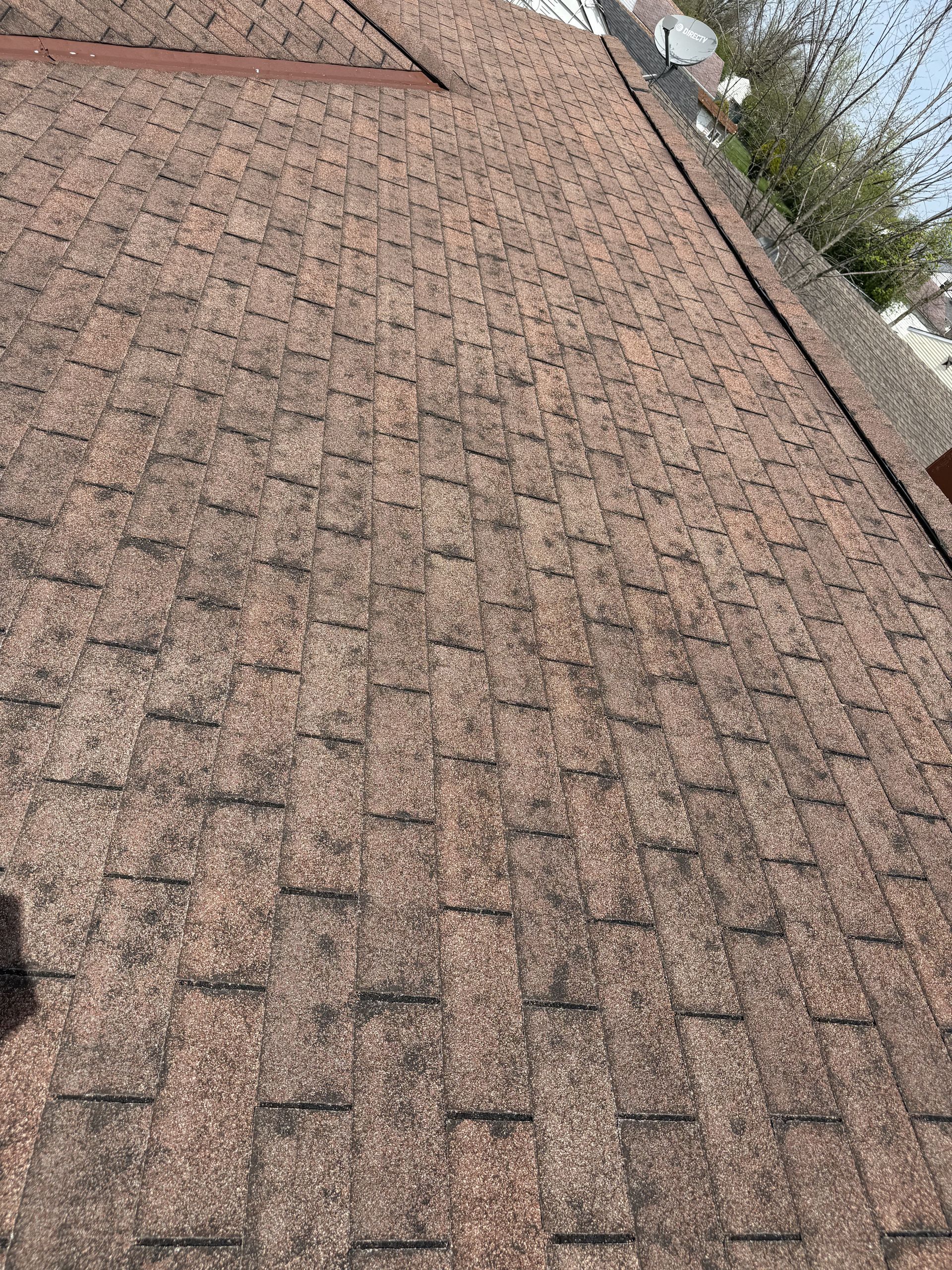
One of the most common signs of hail damage on an asphalt shingle roof is granule loss. Hail impact can knock the protective granules off shingles, exposing the underlying asphalt mat. These damaged areas often appear as dark spots or patches across the roof. Granule loss weakens the shingles’ ability to protect against UV rays and moisture, which can shorten the life of your roofing system if left untreated.
Bruising or Soft Spots on Shingles
Hail can also create bruising on asphalt shingles, which may not be visible from the ground. Bruising occurs when hail strikes the shingle hard enough to damage the underlying mat without completely breaking through the surface. These spots may feel soft or spongy when touched and can eventually develop into leaks as the shingles continue to age.
Cracked or Split Shingles
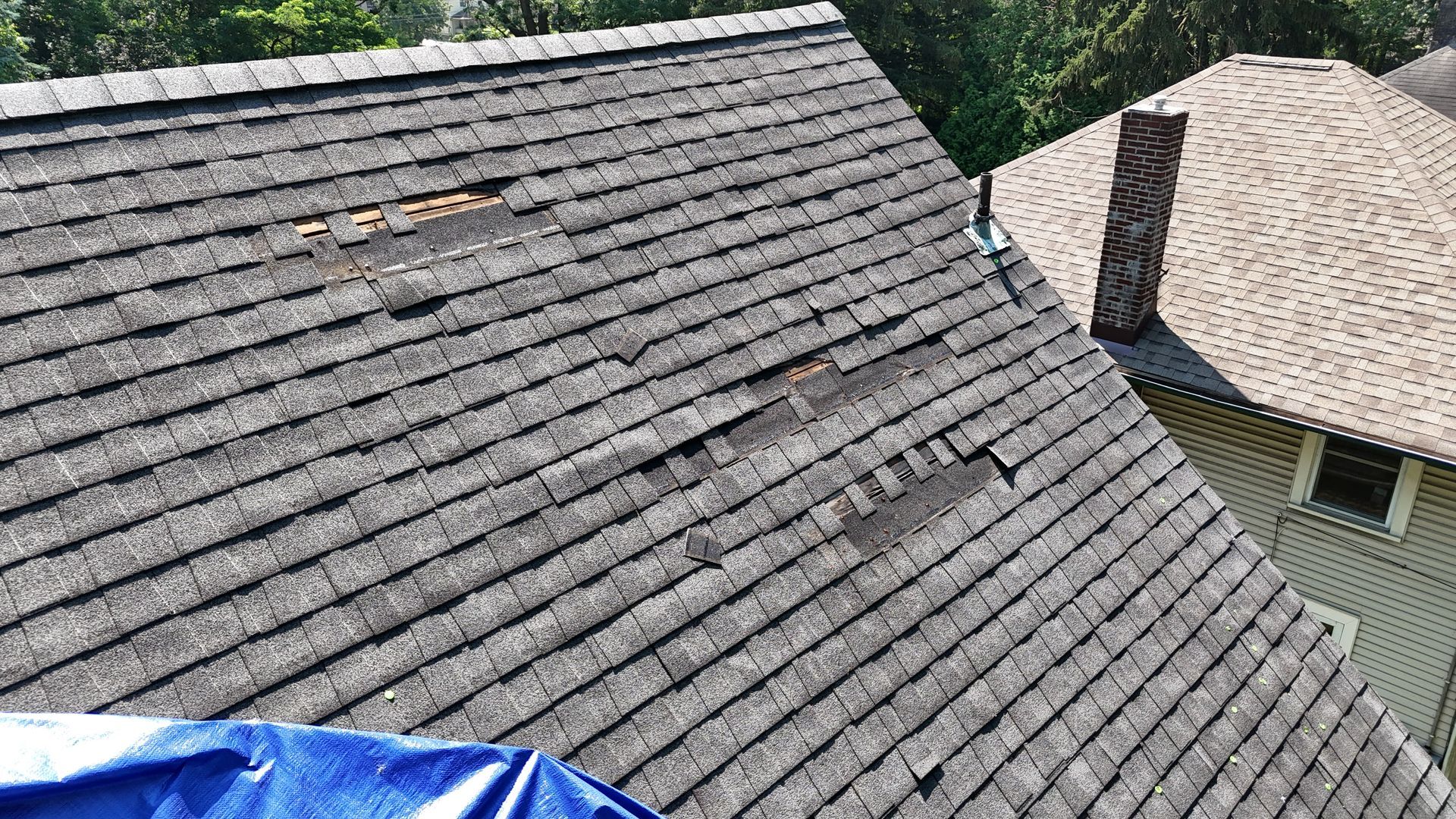
Larger hailstones can crack or split shingles on impact. This type of damage is more severe and can allow water to penetrate the roofing system much sooner. Cracks caused by hail often worsen over time as the roof expands and contracts with temperature changes.
Damage to Roof Accessories and Metal Components
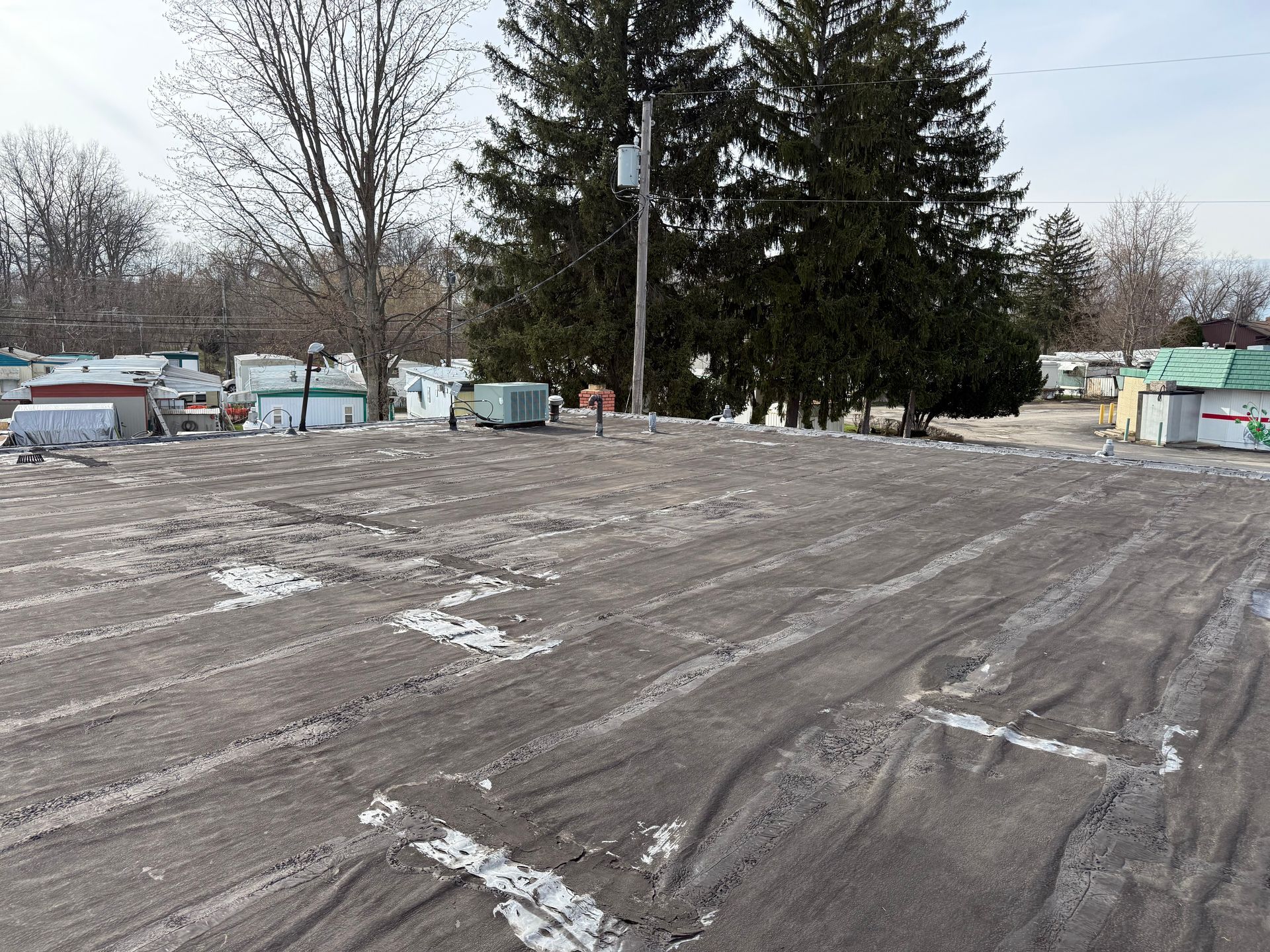
Hail damage is not always limited to shingles. Metal roof vents, flashing, gutters, and downspouts may also show dents or impact marks after a hailstorm. If these metal components are visibly damaged, it may indicate that the roof itself also sustained hail damage. This applies to both residential and commercial roofing systems, especially on properties with exposed metal accessories or flat roofing details.
Hail Damage Can Be Difficult to Spot from the Ground
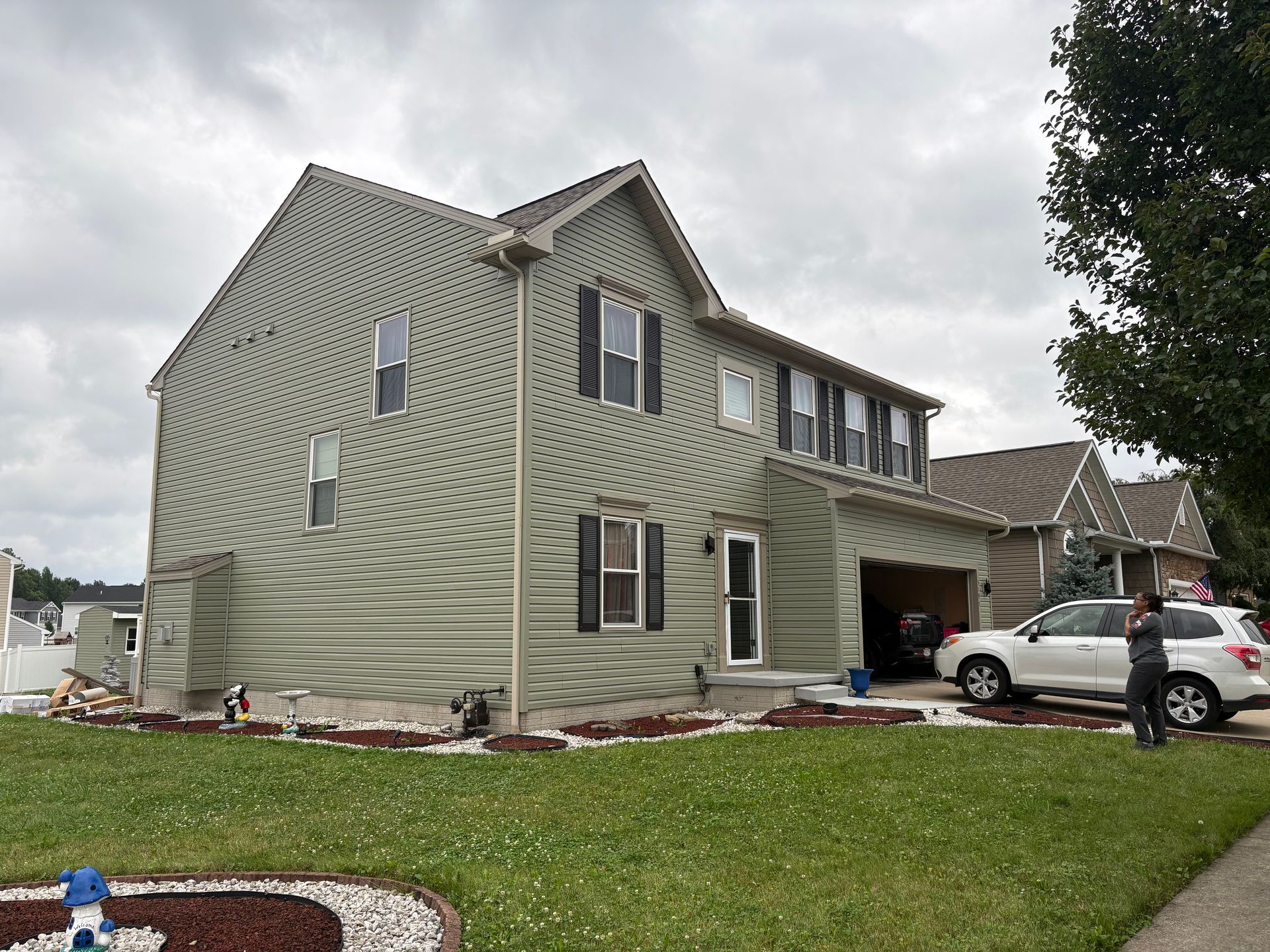
Many forms of hail damage are subtle and may not be visible from the ground. A roof can appear fine from below while still having significant bruising, granule loss, or hidden damage that shortens its lifespan. This is why professional inspections are recommended after major hailstorms, even if there are no immediate leaks or visible missing shingles.
Why You Should Address Hail Damage Quickly
Ignoring hail damage can lead to more serious roofing issues over time. Damaged shingles become more vulnerable to wind, water intrusion, and premature aging. What begins as minor hail damage can eventually result in leaks, structural damage, and the need for a full roof replacement if not addressed early.
Working with a contractor experienced in storm restoration services can help ensure hail damage is properly identified and documented, especially if insurance coverage may apply.
Schedule a Professional Hail Damage Roof Inspection
If your home or building has recently experienced hail, the safest and most accurate way to determine whether your roof has damage is through a professional inspection. At ARC Contracting of Ohio, we provide thorough roof inspections for hail, wind, and storm damage throughout Northeast Ohio.
Our team can identify visible and hidden hail damage, explain your options, and help you determine the best next steps for protecting your property. If you suspect your roof may have been affected by hail, you can request a roofing quote to schedule an inspection.
Frequently Asked Questions
Can small hail damage a roof?
Yes. Even smaller hail can damage older or worn roofing systems, especially when combined with high winds.
Will hail damage always cause leaks right away?
No. Many roofs with hail damage do not leak immediately, but the damage can shorten roof life and lead to leaks later.
Can I inspect hail damage myself?
You may notice signs from the ground, but many types of hail damage require a professional inspection to identify properly.
Does insurance cover hail damage?
In many cases, yes. If hail damage is severe enough, insurance may cover repairs or replacement, depending on your policy.