Hail-Damaged Siding in Ohio: Will Insurance Replace One Wall or the Whole House?
Hail-Damaged Siding in Ohio: Will Insurance Replace One Wall or the Whole House?
After a hailstorm, homeowners often notice cracks, holes, dents, or other damage on one side of their home and immediately wonder: Will insurance replace only the damaged siding, or could the entire house qualify for replacement?
The answer depends on several factors, including:
- The type and extent of the hail damage
- The terms of your homeowners insurance policy
- Whether your policy provides replacement-cost or actual-cash-value coverage
- Whether the existing siding is still manufactured
- Whether a reasonably comparable match is available
- What is required to restore a reasonably consistent appearance
In Ohio, an insurance company may initially approve repairs to only the elevations directly damaged by hail. However, additional siding may need to be considered when the existing material cannot be reasonably matched in quality, color, or size.
A full siding replacement is never automatic, but a detailed inspection, accurate documentation, and proper material identification can help ensure the claim reflects the actual damage and the work required to restore the home.
Does Homeowners Insurance Cover Hail-Damaged Siding?
Many homeowners insurance policies cover sudden damage caused by hail and wind, but policies are not all the same. Coverage may be affected by exclusions, deductibles, endorsements, depreciation, the age and condition of the siding, and whether the policy provides replacement-cost or actual-cash-value coverage.
Insurance generally applies to damage caused by a covered event—not siding replacement that is needed only because the material is old, faded, improperly installed, or worn out.
Examples of hail damage that may be considered during a siding inspection include:
- Cracks or splits in vinyl siding
- Holes or punctures caused by hail impact
- Chipped or broken panel edges
- Dents in aluminum siding
- Damaged corners, trim, vents, and window wraps
- Loose panels caused by accompanying high winds
- Damage that affects the siding’s ability to protect the wall behind it
Hail damage is often concentrated on the sides of the home that faced the storm. That means one or two elevations may have substantial damage while the opposite side appears unaffected.
Will Insurance Replace Only the Damaged Side?
An insurance company will generally begin by evaluating the siding that sustained direct physical damage. If hail damaged only the west and north elevations, for example, the initial estimate may include only those sides.
Whether the claim remains a partial replacement or expands beyond the directly damaged areas depends on questions such as:
- Can the individual damaged panels be safely removed and replaced?
- Is the original siding still manufactured?
- Is the same profile, exposure, thickness, texture, and color available?
- Can replacement panels be installed without damaging surrounding siding?
- Will the completed repair create a reasonably comparable appearance?
- What coverage does the homeowner’s specific policy provide?
A few damaged panels do not automatically qualify the entire home for new siding. At the same time, replacing visibly damaged siding with material that is substantially different in color, size, profile, or quality may not produce an acceptable completed repair.
How Does Ohio Address Siding That Does Not Match?
Ohio Administrative Code Rule 3901-1-54 addresses the settlement of certain replacement-cost property losses.
The rule states that when an interior or exterior loss requires replacement of an item, and the replacement does not match the damaged item’s quality, color, or size, the insurance company must replace as much of the item as necessary to create a reasonably comparable appearance.
This does not necessarily require an insurance company to replace all the siding on every claim.
“Reasonably comparable appearance” is not always the same as an exact match, and the appropriate scope depends on the circumstances of the loss. Relevant considerations may include:
- How visible the repaired area will be
- The difference between the old and new siding
- Whether the home has natural visual breaks
- Whether matching material remains available
- The extent and location of the direct hail damage
- The language and coverage contained in the policy
The result could be a spot repair, replacement of one elevation, replacement of multiple elevations, or—under the right circumstances—a complete siding replacement.
What Happens When the Existing Siding Is Discontinued?
Many siding products are discontinued as manufacturers update colors, profiles, textures, and product lines. Even when a product name is known, finding a true match can be difficult because siding exposed to years of sunlight and weather may look different from a new panel.
A discontinued product does not automatically mean the entire house must be replaced. Old inventory may still be available through distributors or specialty suppliers.
The insurance company or contractor may use a material-matching service to identify:
- The siding manufacturer
- The product line
- The profile and exposure
- The original color
- The thickness and texture
- Whether an exact or close match is currently available
- Where available material may be purchased
Material-matching services compare samples against product databases and may identify exact, close, or discontinued-stock matches. Some services can also locate remaining discontinued material, allowing a localized repair when appropriate.
What Is an ITEL Siding Report?
An ITEL—or similar material-matching—report is commonly used during property insurance claims to identify damaged roofing, siding, or flooring materials.
For siding, a physical sample or field-submitted information may be analyzed to determine the closest available replacement product. The resulting report may identify:
- Manufacturer
- Product type
- Color
- Profile
- Material specifications
- Availability
- Potential suppliers
- Whether the submitted siding has an available match
The report gives the homeowner, contractor, adjuster, and insurance company more objective information about whether a repair is possible.
However, an ITEL report does not decide insurance coverage. It is one piece of evidence used during the claim evaluation. The insurance company makes coverage decisions based on the policy, documented damage, applicable regulations, and the complete claim file.
Replacement Cost vs. Actual Cash Value
One of the most important details in any siding claim is whether the policy settles the loss using replacement cost value or actual cash value.
Replacement Cost Value
Replacement-cost coverage generally pays the cost to repair or replace damaged property using new material of comparable kind and quality, subject to the policy terms and deductible.
Some policies initially release an actual-cash-value payment and then provide recoverable depreciation after the covered work is completed and proper documentation is submitted.
Actual Cash Value
Actual cash value is generally calculated as the replacement cost minus depreciation. Depreciation may account for the siding’s age, condition, and expected useful life.
This means an actual-cash-value policy may leave the homeowner responsible for a larger portion of the replacement cost in addition to the deductible. The Ohio Department of Insurance explains that actual cash value reflects replacement cost minus depreciation, while replacement-cost coverage is intended to pay the cost of replacing covered damaged property with comparable new property.
Homeowners should review their declarations page, policy language, deductible, and any wind, hail, cosmetic-damage, or matching endorsements with their insurance agent or carrier.
What May Be Included in an Approved Siding Scope?
Every claim is different, but an approved siding replacement may include more than the visible siding panels.
Depending on the project and policy, the repair scope may include:
- Removal and disposal of damaged siding
- Replacement siding panels
- Labor and installation accessories
- Starter strips, utility trim, and J-channel
- Inside and outside corners
- House wrap or weather-resistant barrier when required
- Window and door trim
- Aluminum window and door wraps
- Light blocks, utility blocks, vents, and mounting accessories
- Detaching and resetting exterior fixtures
- Permit costs where applicable
Items should be included only when they are damaged, required to perform the repair correctly, or otherwise covered by the policy.
The insurance company’s first estimate may not contain every item required to complete the work. When legitimate project requirements are discovered, the contractor may submit supporting photographs, measurements, product information, and a supplemental estimate for the carrier’s review.
Approval of supplemental items remains the insurance company’s decision.
Real Northeast Ohio Siding Restoration Examples
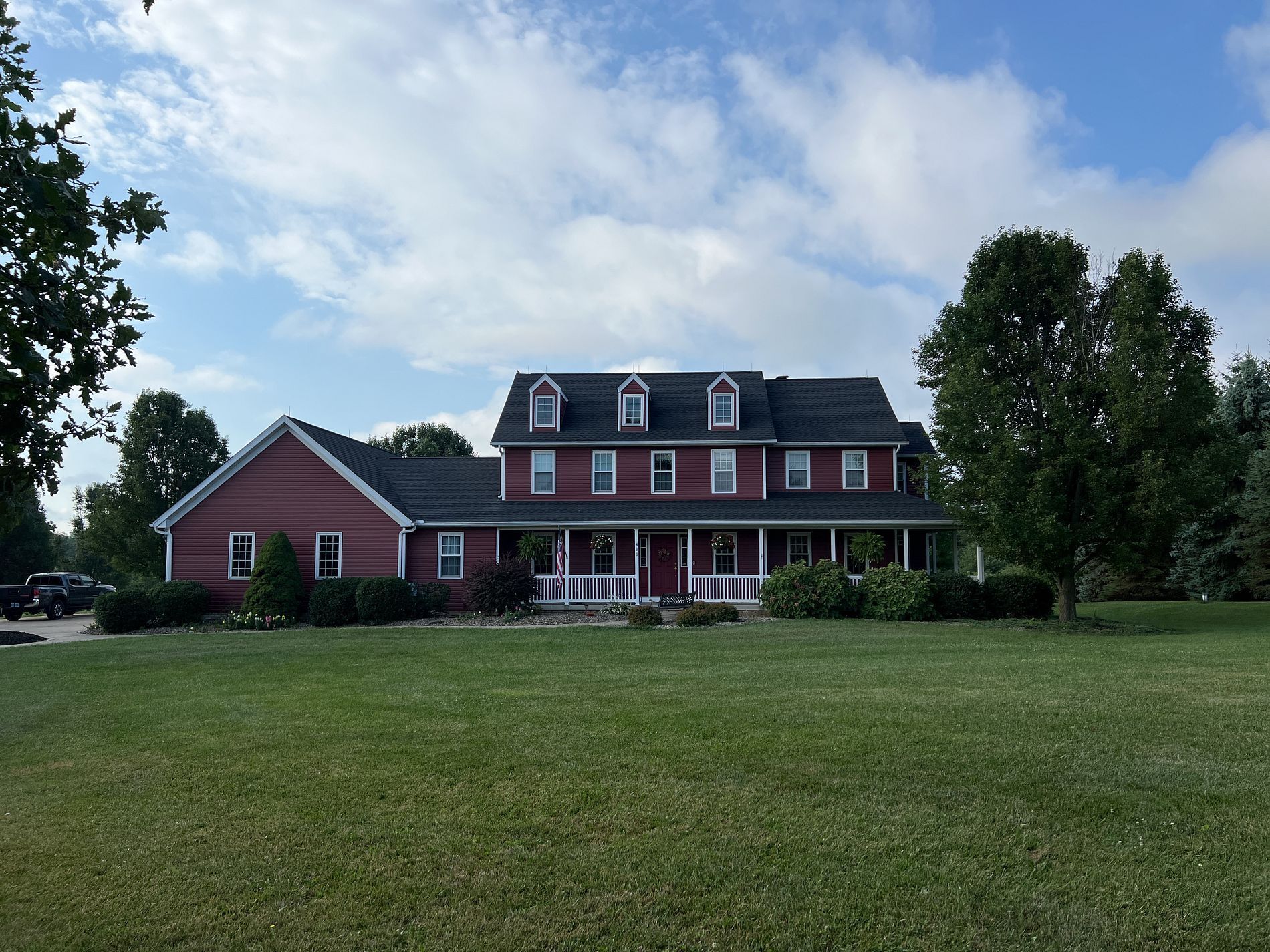
ARC Contracting has completed insurance-related siding restorations throughout Northeast Ohio, including recent projects in Bedford and Kent.
Bedford, Ohio Hail Restoration
A Bedford home sustained hail damage to both its roofing and siding. After the damage was inspected and documented, the approved restoration included:
- Owens Corning Duration® shingles in Estate Gray
- Norandex Great Barrier® siding in Smoke
The project restored the home’s exterior protection while giving it a coordinated, updated appearance.
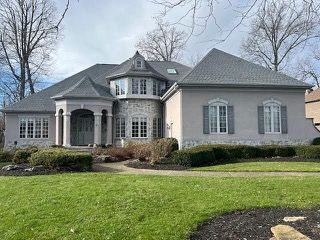
Kent, Ohio Siding Replacement
For a recent insurance-related siding project in Kent, our team installed:
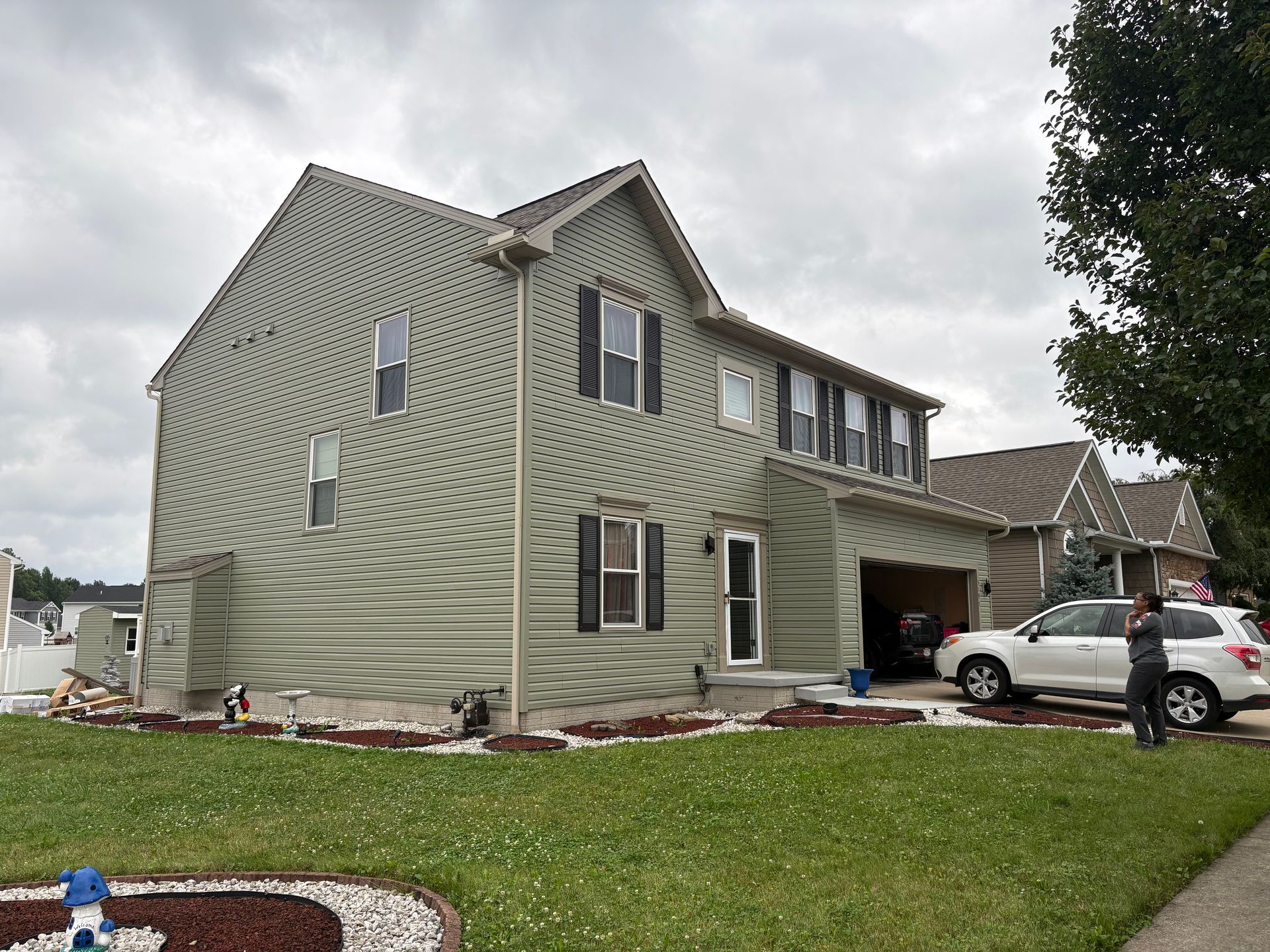
- Polaris UltraSide® vinyl siding
- Blue Ridge Dutch Lap profile
- White trim
- Custom white window wraps
- New house wrap beneath the siding
These real projects demonstrate why each storm-damage claim must be evaluated individually. The approved scope depends on the documented damage, available materials, repair requirements, and the homeowner’s policy—not simply the age of the exterior or the homeowner’s preferred replacement.
What Should You Do After a Hailstorm?
If you suspect your siding was damaged by hail, take the following steps:
1. Inspect the Property From the Ground
Look for broken siding, visible holes, dents, loose panels, damaged gutters, dented downspouts, and marks on exterior vents or window wraps.
Do not climb ladders or remove siding if it cannot be done safely.
2. Document What You Can See
Take photographs of visible damage and make a note of the storm date. Photograph multiple sides of the home as well as damaged gutters, roofing components, air-conditioning units, windows, and exterior fixtures.
3. Schedule a Professional Exterior Inspection
A qualified exterior contractor can inspect the roof, siding, gutters, trim, and other components for storm-related damage.
The inspection should document what is present without promising that insurance will approve a particular scope.
4. Review Your Policy and Deductible
Confirm whether the policy includes wind and hail coverage, whether there is a separate storm deductible, and whether the siding is covered at replacement cost or actual cash value.
5. Contact Your Insurance Company
The homeowner makes the decision to file a claim with the help of a reliable contractor. Once a claim is opened, the carrier may schedule an adjuster to inspect the property.
6. Compare the Insurance Scope With the Required Work
Review whether the estimate includes all documented damage and the components necessary to perform a proper repair.
When relevant items are missing, the contractor can provide construction documentation and an itemized estimate for the insurance company to consider.
Schedule a Hail-Damage Siding Inspection in Northeast Ohio
Hail-damaged siding is not always obvious from the ground, and the appropriate repair may involve more than replacing a few visibly broken panels.
ARC Contracting of Ohio provides professional roof and siding inspections for homeowners throughout Kent, Bedford, Akron, Stow, Hudson, Ravenna, and surrounding Northeast Ohio communities.
Our team can document visible storm damage, identify the siding system, prepare an accurate estimate, and help provide the construction information needed during the insurance review process.
If your home has been affected by hail or strong winds, contact ARC Contracting today to schedule a free exterior inspection.
This article provides general educational information and is not legal, insurance, or coverage advice. Every insurance policy and claim is different. Coverage decisions are made by the insurance carrier according to the applicable policy and circumstances of the loss.
Frequently Asked Questions
Does hail damage always cause holes in vinyl siding?
No. Hail may cause cracks, splits, chipped edges, impact marks, or fractures that are more noticeable when viewed from a particular angle. The type of damage depends on the hail size, wind speed, siding material, temperature, age, and direction of impact.
Does discontinued siding mean insurance must replace the entire house?
Not automatically. A matching report may locate an exact product, a reasonably comparable replacement, or remaining discontinued inventory. If an acceptable match cannot be found, additional replacement may need to be evaluated under the policy and Ohio’s reasonably comparable appearance standard.
Can insurance replace only one side of a house?
Yes. One-elevation replacement is possible when the direct damage is limited to one side and the completed work can provide a reasonably comparable appearance. Other claims may require more extensive replacement.
Will insurance pay to change the siding color?
Insurance is generally intended to restore covered damaged property using comparable materials—not to pay solely for a preferred upgrade or color change. A homeowner may be able to select another available color during an approved replacement, but upgrades or non-covered work may create an additional out-of-pocket cost.
Is faded siding considered hail damage?
Normal fading from age and sun exposure is not the same as direct hail damage. However, fading can affect whether newly installed panels create a reasonably comparable appearance with the existing siding.
Can ARC Contracting guarantee that insurance will cover my siding?
No contractor can guarantee insurance coverage or claim approval. ARC Contracting can inspect the exterior, document visible damage, provide an itemized construction estimate, and complete the approved work. The insurance carrier determines coverage according to the homeowner’s policy.