How Long Does a Roof Last in Northeast Ohio?
One of the most common questions homeowners and commercial property owners ask is, “How long should my roof last?” In Northeast Ohio, there is no single answer because roof lifespan depends on the roofing material, installation quality, ventilation, drainage, maintenance, and exposure to Ohio weather. A properly installed architectural asphalt shingle roof can often provide around 20 to 30 years of service, while metal roofing may last several decades longer. Commercial roofing systems such as TPO, EPDM, and PVC also have their own expected service lives and maintenance requirements.
At ARC Contracting of Ohio, we work with both residential and commercial roofing systems throughout Kent and Northeast Ohio. Understanding the expected lifespan of your roof can help you plan for inspections, repairs, maintenance, and eventual replacement before small problems develop into more serious damage. Homeowners can learn more about our residential roofing services, while business owners and property managers can explore our commercial roofing services.
How Long Do Asphalt Shingle Roofs Last in Northeast Ohio?
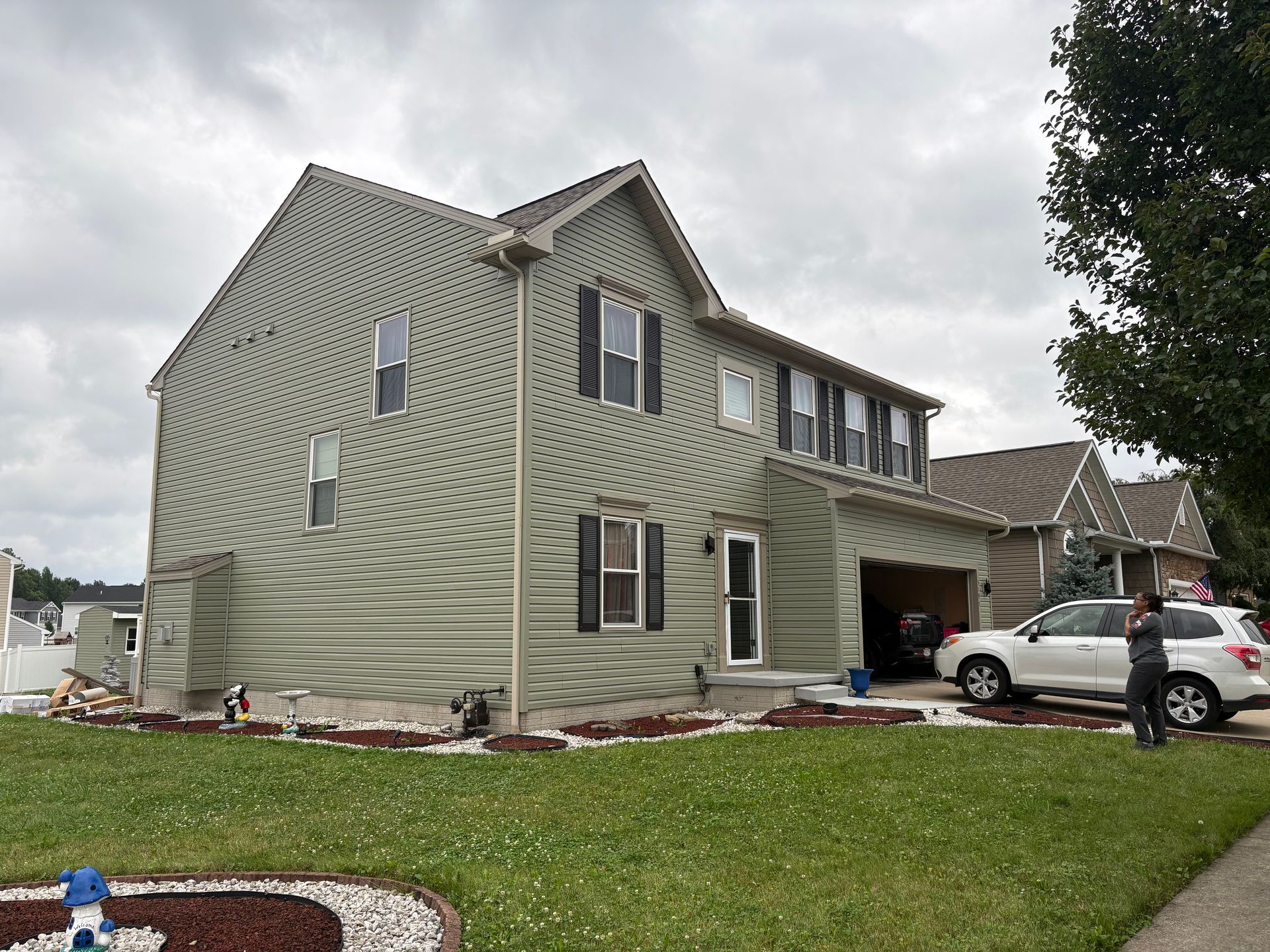
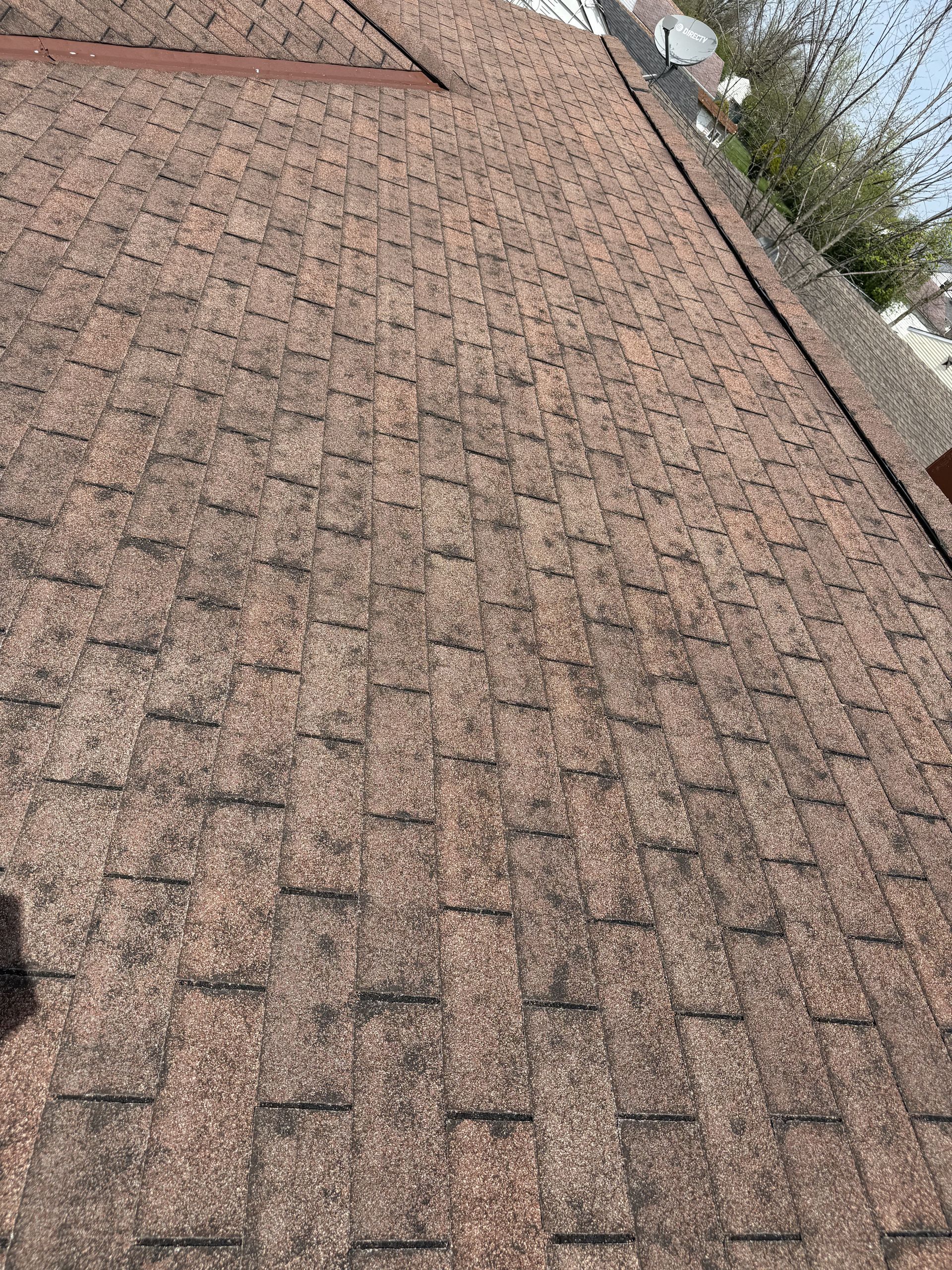
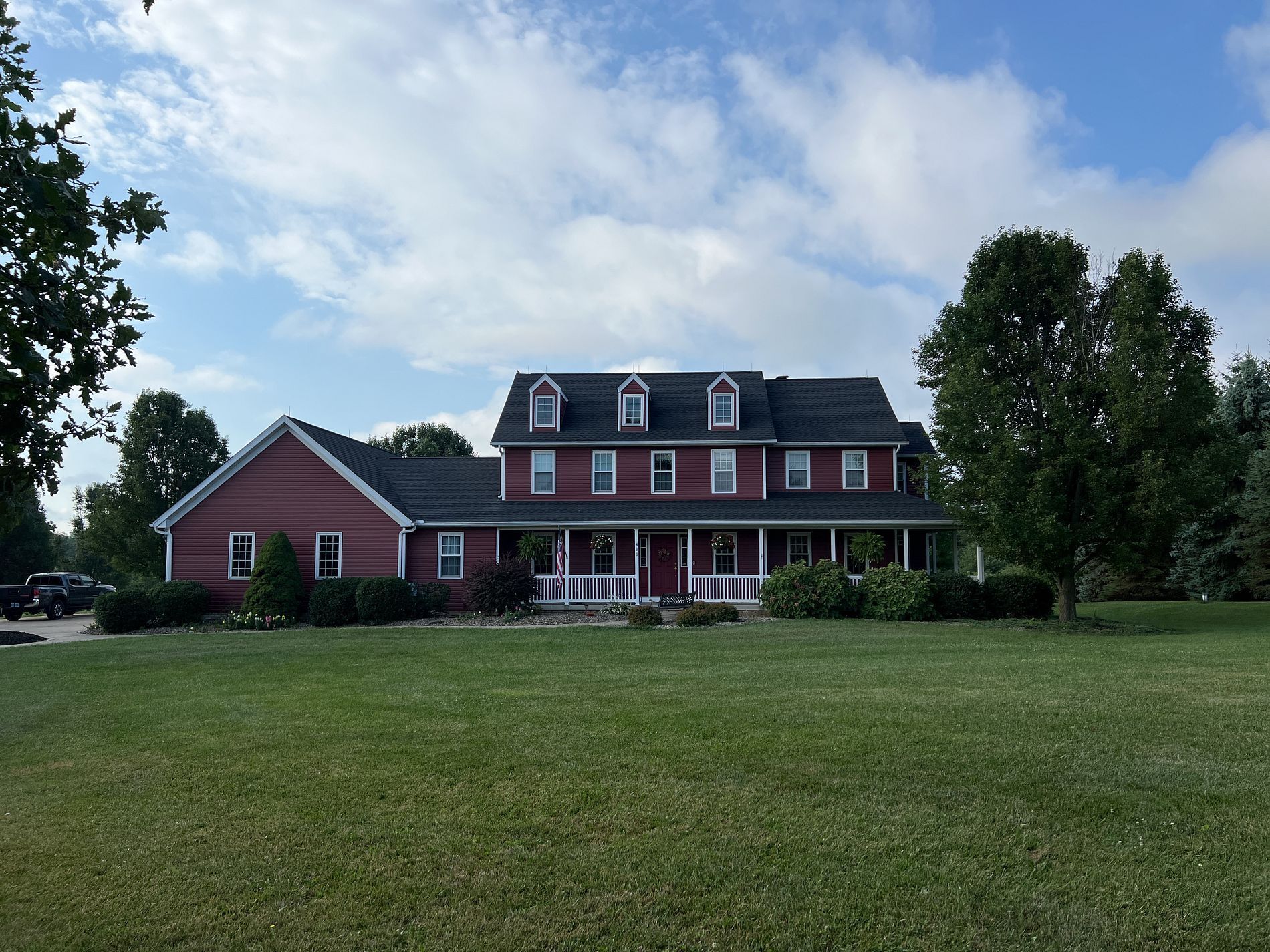
Architectural asphalt shingles are one of the most common residential roofing materials in Northeast Ohio. A properly installed architectural shingle roof can often last approximately 20 to 30 years, although some roofs may need replacement sooner while others remain serviceable longer.
The actual lifespan depends on much more than the age printed on a shingle warranty. Installation quality, attic ventilation, roof slope, sun exposure, flashing, decking condition, and severe weather all affect how quickly a roofing system ages.
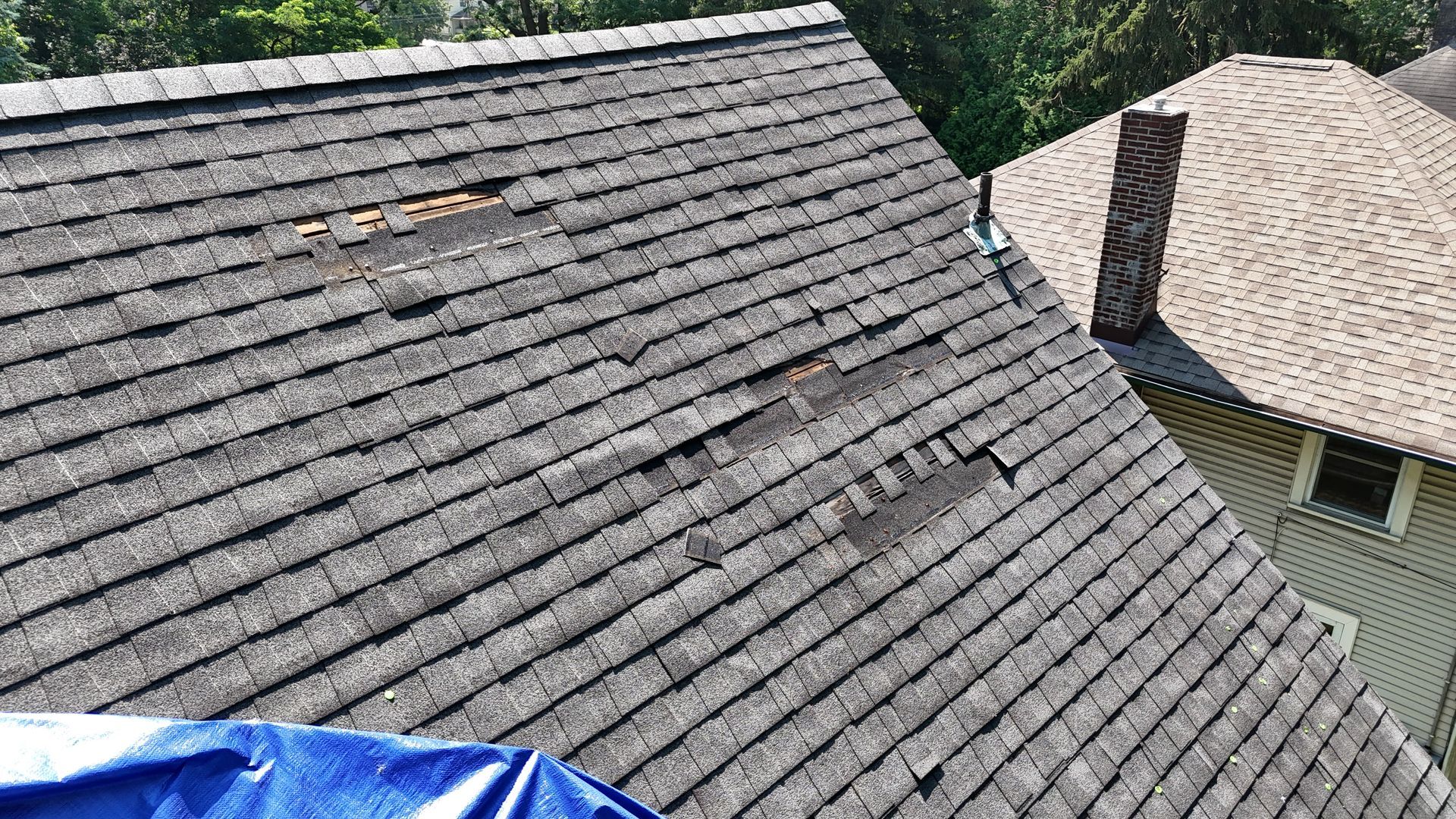
Northeast Ohio homes are also exposed to significant temperature changes throughout the year. Summer heat, winter freezing temperatures, snow, ice, heavy rainfall, strong winds, and hail can all place stress on asphalt shingles. Over time, shingles may experience granule loss, cracking, lifting, seal failure, or deterioration around flashing and roof penetrations.
If your roof is getting older and you are unsure whether it needs localized repairs or complete replacement, our guide on how to tell if you need a roof repair or full replacement explains some of the most important factors to consider.
Does Northeast Ohio Weather Shorten Roof Lifespan?
Weather can significantly influence how long a roof lasts in Northeast Ohio. Roofing materials repeatedly expand and contract as temperatures change throughout the year. During winter, moisture may freeze and thaw repeatedly, while summer heat can raise the surface temperature of roofing materials considerably.
Severe thunderstorms create another source of stress. High winds can loosen or lift shingles, damage flashing, and affect roof edges even when shingles are not completely missing. Hail can damage the protective surface of asphalt shingles and may affect commercial membranes, metal roofing, vents, gutters, and other exterior components.
This is one reason two roofs installed at approximately the same time may age very differently. A roof that has experienced several severe storms may have a considerably different condition than another roof of the same age.
Hail damage is particularly important because it does not always cause an immediate leak. Our article on how hail damage affects your roof over time explains how hail can gradually affect both residential and commercial roofing systems.
How Long Does a Metal Roof Last?
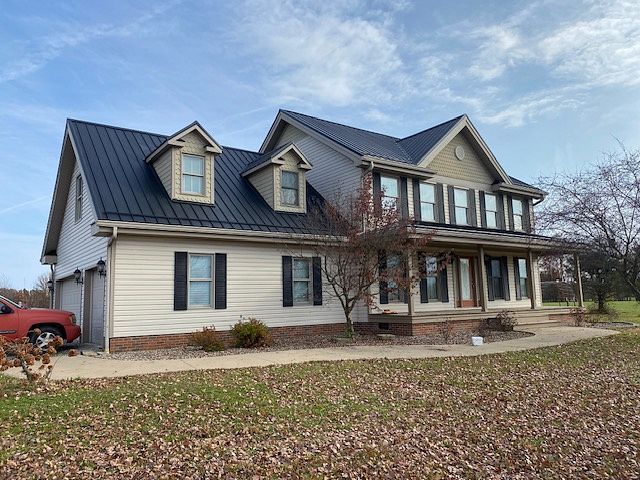
A properly installed metal roof can commonly provide approximately 40 to 70 years of service, depending on the type of metal roofing system, coating, environment, installation quality, flashing, fasteners, and maintenance.
Standing-seam metal roofing systems can offer particularly long service lives because many designs use concealed fasteners, reducing the number of exposed attachment points on the roof surface.
Metal roofing is durable, but it should not be considered maintenance-free. Flashing, sealants, penetrations, seams, coatings, and other roof components should still be inspected periodically. Severe hail can also cause cosmetic denting or more significant damage depending on the storm and the roofing system.
How Long Does a TPO Commercial Roof Last?
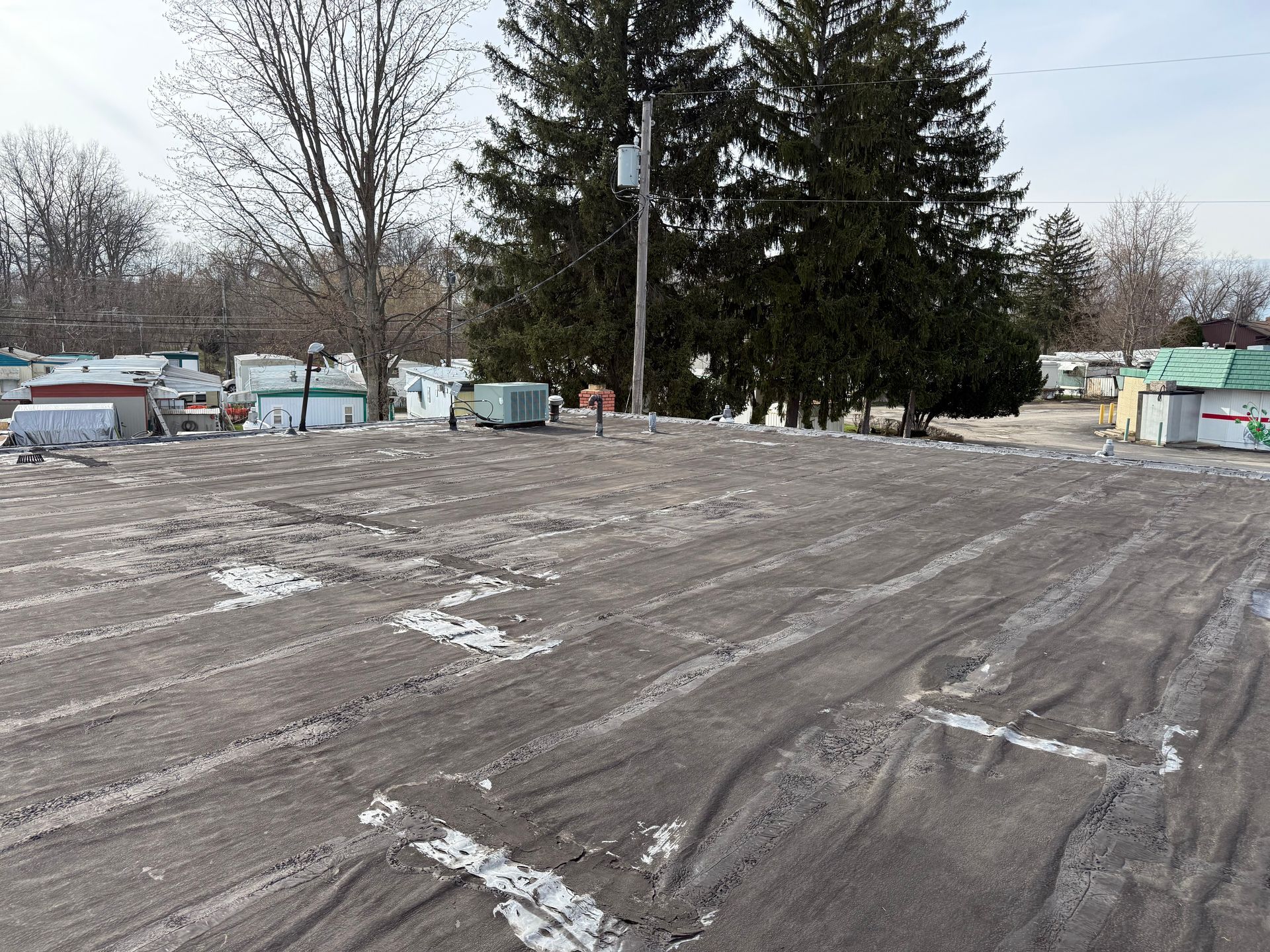
A properly installed TPO commercial roofing system can often provide approximately 20 to 30 years of service, although membrane thickness, insulation, installation method, maintenance, drainage, building use, and environmental exposure all influence actual lifespan.
TPO is commonly installed on commercial and low-slope buildings because its seams can be heat-welded together to create a continuous roofing membrane. However, the membrane itself is only one part of the roofing assembly. Insulation, roof decking, penetrations, drains, curbs, flashing, walls, and perimeter details all need to function correctly for the roof to perform as intended.
Commercial roof lifespan can be reduced by ponding water, clogged drains, damaged seams, punctures, rooftop traffic, neglected flashing, or damage caused by other contractors working around HVAC units and rooftop equipment.
If you are comparing commercial roofing materials, ARC Contracting of Ohio has a detailed guide covering TPO vs. EPDM vs. PVC roofing systems.
How Long Does an EPDM Roof Last?
A properly installed and maintained EPDM roofing system may provide approximately 20 to 30 years or more of service. Actual lifespan depends on membrane thickness, installation, drainage, maintenance, weather exposure, seams, flashing, and the overall construction of the roof assembly.
As EPDM roofs age, property owners may begin seeing problems around seams, perimeter conditions, flashing, drains, or roof penetrations. These issues do not necessarily mean the entire roof needs immediate replacement, particularly when they are identified and repaired early.
The overall condition of the roofing system should be evaluated instead of making a replacement decision based strictly on its installation date.
How Long Does a PVC Roof Last?
PVC commercial roofing systems can also commonly provide approximately 20 to 30 years or longer when properly installed and maintained. PVC membranes use heat-welded seams and are often selected for commercial properties where resistance to certain chemicals, oils, or grease is important.
As with TPO and EPDM, the roofing membrane is only one part of the system. Insulation, drainage, decking, flashing, penetrations, and installation quality all influence how long a PVC roof ultimately lasts.
Property owners comparing these systems can learn more in our TPO, EPDM and PVC comparison guide.
Why Roof Installation Quality Matters
The quality of the original installation can have as much influence on roof lifespan as the roofing material itself. Even a premium roofing product may experience problems prematurely when important installation details are overlooked.
A residential roofing system involves more than shingles. Proper roof decking, underlayment, ice and water protection where required, starter shingles, flashing, ventilation, drip edge, roof penetrations, valleys, ridge components, and correct fastener placement all contribute to long-term performance.
Commercial roofing systems have different requirements involving insulation, membrane attachment, adhesives, heat-welded seams, perimeter attachment, drains, curbs, walls, penetrations, and flashing.
A roof should be viewed as a complete system rather than simply the visible material on top of the building.
How Does Attic Ventilation Affect Roof Lifespan?
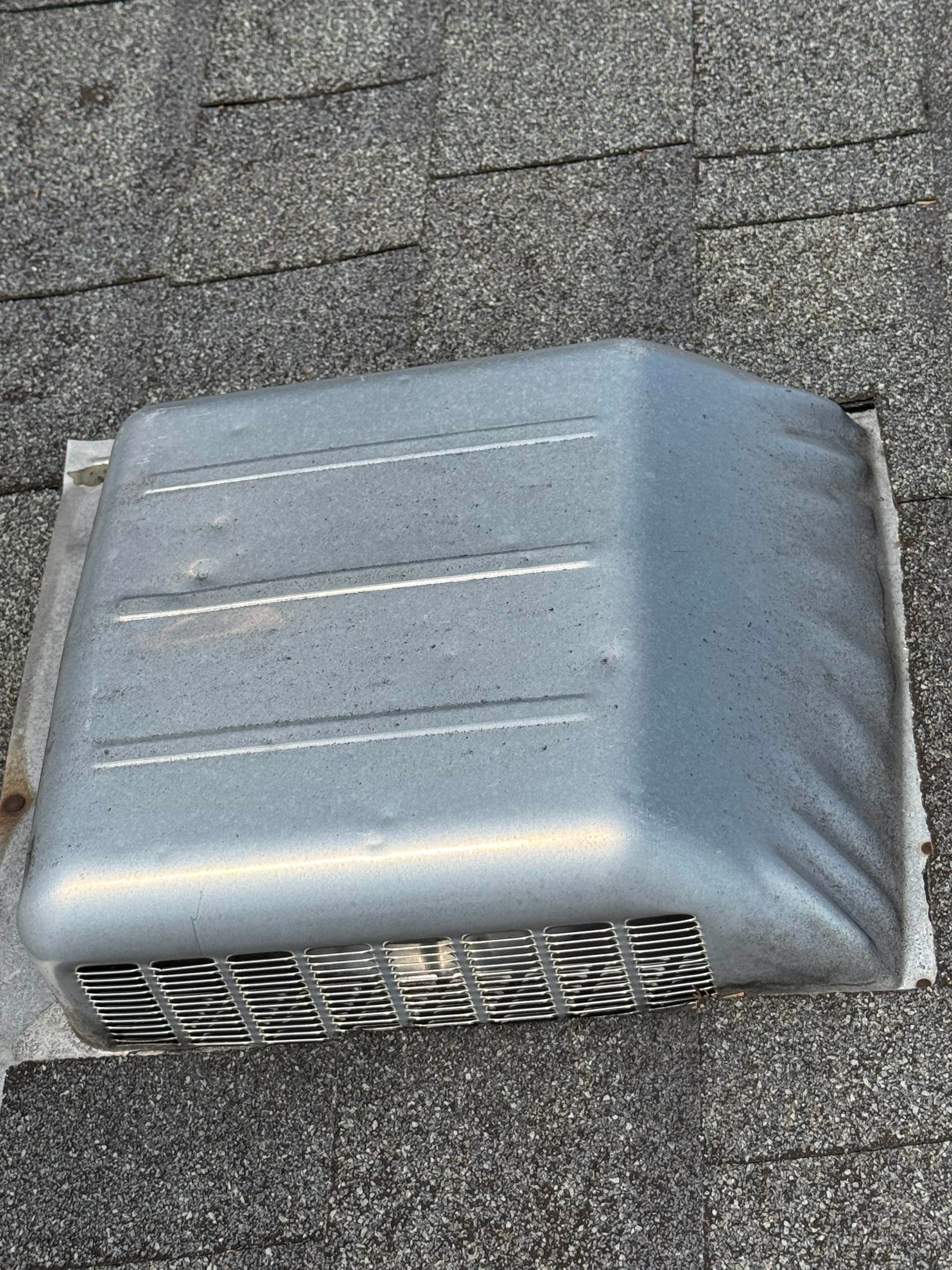
Proper attic ventilation can play an important role in the performance of an asphalt shingle roofing system. A balanced ventilation system helps manage heat and moisture inside the attic.
During warmer weather, excessive attic heat may contribute to increased temperatures beneath the roofing system. During colder weather, moisture generated inside the home may reach the attic and condense against cold surfaces when ventilation and air sealing are inadequate.
Over time, moisture problems may affect roof decking, insulation, framing, and other building materials. This is also why a ceiling stain does not automatically mean the shingles themselves are leaking. Our guide explaining what causes water spots on ceilings and when they are not a roof leak covers several other potential causes.
How Does Roof Decking Affect Roof Life?
Roof decking provides the structural surface beneath the roofing material. Residential homes commonly have plywood, OSB, or plank decking, while commercial buildings may use steel, wood, concrete, or other roof deck systems.
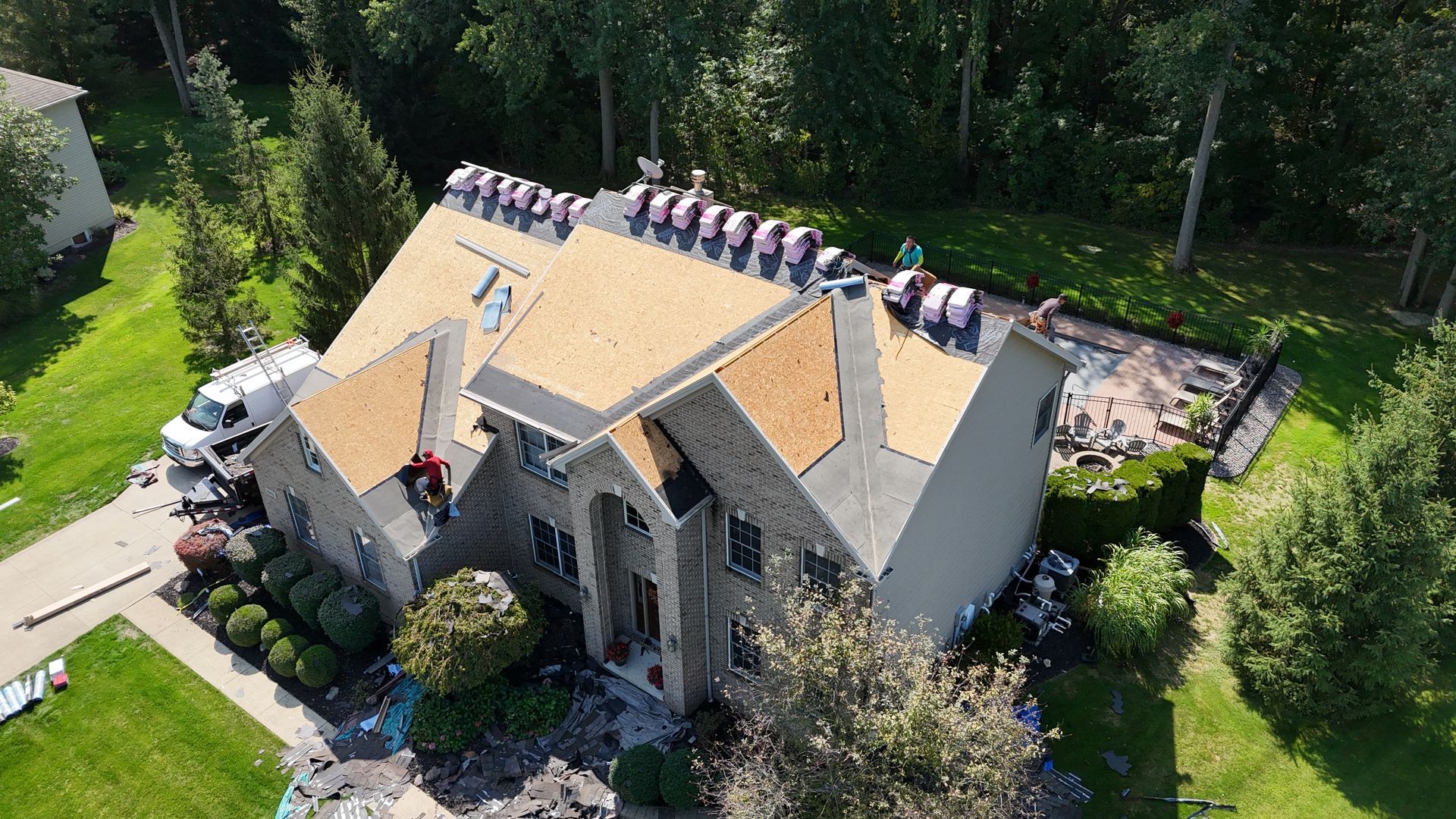
If roof decking has deteriorated because of prolonged moisture exposure, leaks, or structural problems, installing new roofing materials over the damaged substrate does not correct the underlying issue. Deteriorated decking may need to be repaired or replaced as part of the roofing project.
Older Northeast Ohio homes may also have plank or spaced decking. The condition and spacing of those boards should be evaluated when the existing roofing material is removed to determine whether repairs or additional sheathing are necessary for the new roofing system.
Can Hail Reduce the Lifespan of a Roof?
Yes. Hail can reduce the remaining service life of both residential and commercial roofing systems depending on the severity of the storm and the type of roofing material.
On asphalt shingles, hail impacts may cause granule loss, bruising, cracking, or fractures within the shingle. The roof may continue shedding water after the storm, meaning damage can sometimes exist without an immediate interior leak.
Commercial roofs may experience membrane damage, punctures, damaged insulation, flashing damage, or impacts to rooftop equipment. Metal roofing systems may also experience denting or other impact damage.
If your home or commercial property has experienced severe weather, our storm damage restoration services explain how ARC Contracting of Ohio evaluates roofing and other exterior damage after wind and hail events.
Can Roof Leaks Shorten the Life of a Roof?
A roof leak that is addressed quickly may be relatively localized, but allowing water intrusion to continue can create problems beyond the original entry point. Moisture can reach roof decking, insulation, ceilings, framing, and other building materials.
This is especially important because the location where water becomes visible inside a building is not always directly beneath the source of the roof leak. Water can travel along decking, rafters, insulation, and other components before appearing inside.
If you have already noticed moisture inside your home or building, read our article on what happens if you ignore a roof leak for a more detailed explanation of how water intrusion can progress.
When Should a Roof Be Inspected?
A roof should not only be inspected when it begins leaking. Periodic inspections can help identify deterioration, storm damage, drainage issues, flashing problems, and other concerns before they become more significant.
Residential roofs should be evaluated as they age and following major hail, wind, or severe weather events. Commercial roofing systems often benefit from more regular inspections because drainage systems, membrane seams, rooftop equipment, penetrations, and flashing can change over time.
Commercial property owners should also consider inspecting the roof after HVAC technicians, electricians, plumbers, or other contractors perform work on rooftop equipment. Foot traffic, tools, and newly created penetrations can potentially affect the roofing membrane.
What Are the Signs That a Roof Is Nearing the End of Its Life?
Roof age is important, but it should never be the only factor used to determine whether replacement is necessary.
Residential roofs approaching the end of their service life may develop widespread granule loss, cracked or curling shingles, repeated leaks, missing shingles, deteriorated flashing, exposed roofing material, or problems across multiple sections of the roof.
Commercial roofs may develop recurring leaks, widespread seam problems, membrane deterioration, flashing failures, punctures, drainage problems, trapped moisture, or deteriorated insulation.
If the issues are isolated and the remaining roof is still performing properly, repair may make sense. If deterioration has become widespread or repairs are becoming increasingly frequent, replacement may provide a better long-term solution.
How Much Does It Cost to Replace an Aging Roof?
Roof replacement cost depends on roof size, material, complexity, decking condition, tear-off requirements, flashing, ventilation, labor, and several other project-specific factors.
Because roofing prices can vary significantly between properties, the expected lifespan of a roof should be considered alongside its present condition and the cost of continuing repairs.
For a more detailed breakdown, see our guide to roof replacement costs in Northeast Ohio.
Residential and Commercial Roofing in Northeast Ohio
There is no universal expiration date for a roof. A residential asphalt shingle roof and a commercial TPO roofing system are constructed differently and have different maintenance needs, drainage designs, installation requirements, and potential failure points.
That is why expected roofing lifespan should be considered a range rather than a guaranteed number of years.
ARC Contracting of Ohio, based in Kent, provides residential and commercial roofing services throughout Northeast Ohio. Our roofing services include inspections, repairs, roof replacements, asphalt shingle roofing, metal roofing, commercial flat roofing, TPO roofing, and storm-damage restoration.
If your roof is getting older, has recently experienced severe weather, or is showing signs of deterioration, a professional roof inspection can help determine its current condition and whether maintenance, repair, or replacement should be considered.
Frequently Asked Questions About Roof Lifespan
How long does an asphalt shingle roof last in Northeast Ohio?
An architectural asphalt shingle roof can often provide approximately 20 to 30 years of service when properly installed and maintained. Weather exposure, ventilation, roof design, installation quality, maintenance, and storm damage can all affect the actual lifespan.
How long does a commercial flat roof last?
Many commercial single-ply roofing systems, including TPO, EPDM, and PVC, can commonly provide approximately 20 to 30 years of service when properly installed and maintained. Actual lifespan depends on the complete roof assembly, drainage, membrane, installation, maintenance, and environmental exposure.
How long does a metal roof last in Ohio?
A properly installed metal roof can commonly last approximately 40 to 70 years, although roof design, metal type, coating, installation, maintenance, flashing, and weather exposure influence actual service life.
Does a 20-year-old roof automatically need replacement?
No. Roof age is only one factor. Some 20-year-old roofing systems may still be performing properly, while younger roofs with significant storm damage, installation problems, or repeated leaks may require more extensive work. The roof's actual condition should determine the next step.
Can hail damage shorten the lifespan of asphalt shingles?
Yes. Hail can cause granule loss, bruising, cracking, and other damage to asphalt shingles. The damage may not immediately cause a leak, which is why a roof inspection following significant hail can help identify problems that are difficult to see from the ground.
Does poor attic ventilation shorten roof life?
Poor attic ventilation can contribute to excessive heat and moisture inside the attic, potentially affecting roof decking and other components of the roofing system. Proper ventilation is therefore an important part of overall residential roof performance.