How Hail Damage Affects Your Roof Over Time
How Hail Damage Affects Your Roof Over Time
Hailstorms are a common weather event in Northeast Ohio, and while some damage is obvious, much of it goes unnoticed at first. Many roofs continue to function after a hailstorm, leading property owners to assume no harm was done. In reality, hail often causes subtle damage that weakens roofing materials and shortens the overall lifespan of the roof. Understanding how hail impacts different roofing systems can help homeowners and property managers recognize problems early and avoid more serious issues down the road.
Why Hail Damage Is Often Missed
One of the most challenging aspects of hail damage is that it does not always cause immediate leaks. Unlike wind damage, which may remove shingles or expose underlayment, hail impacts often affect the protective layers of the roof without creating visible openings. After a hailstorm, roofing materials may appear intact from the ground, but the damage beneath the surface can gradually worsen. Over time, exposure to sun, rain, snow, and temperature changes accelerates deterioration in areas already weakened by hail impacts. Because the damage develops slowly, many roofs are not inspected until problems begin to show inside the building.
How Hail Damages Asphalt Shingle Roofs
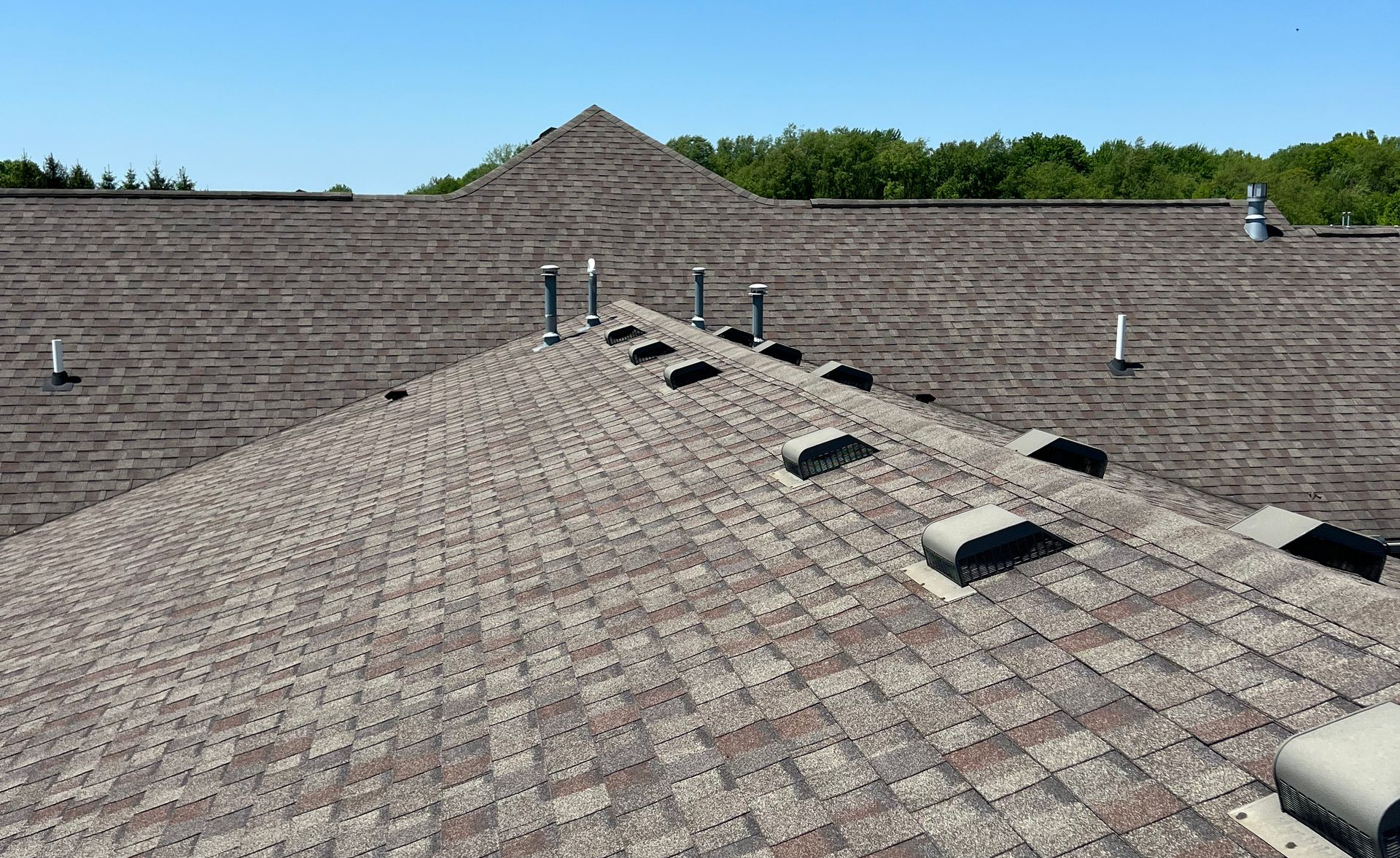
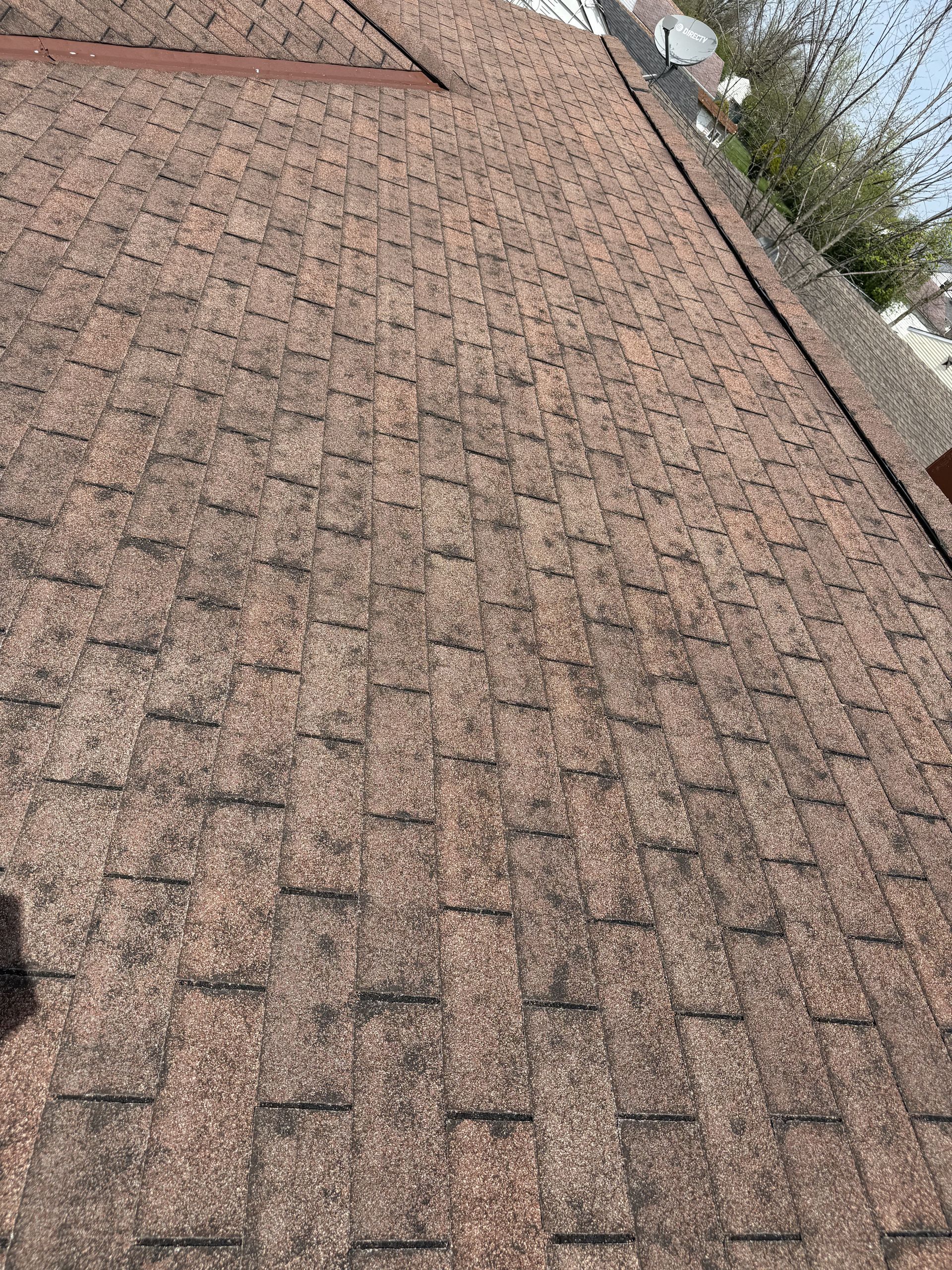
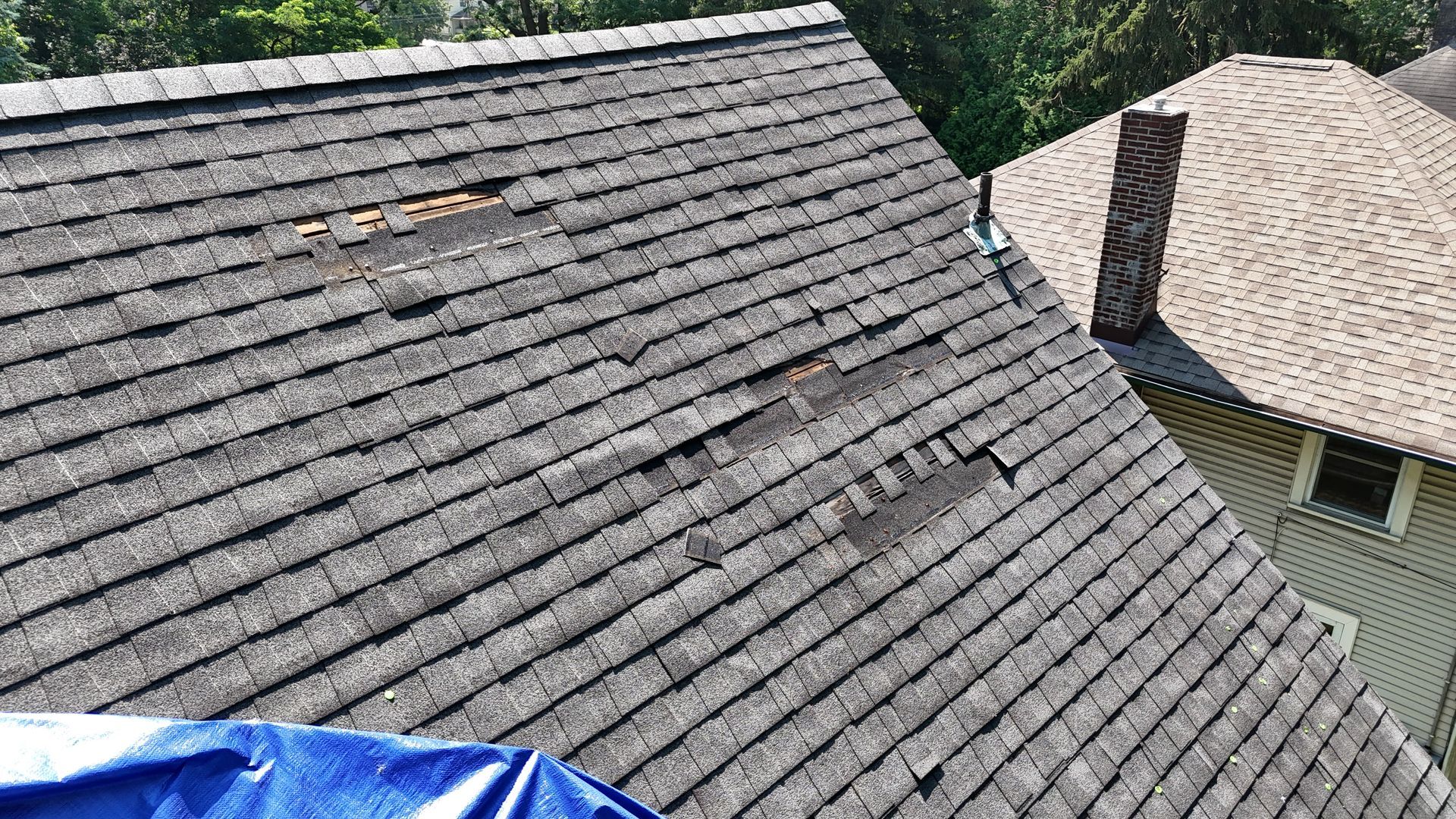
Asphalt shingle roofs are designed with a layer of granules that protect the shingles from ultraviolet rays and weather exposure. When hail strikes a shingle roof, it can dislodge or embed these granules into the surface of the shingle. In some cases, hail causes bruising beneath the shingle that is not immediately visible. These bruises weaken the fiberglass mat and asphalt layer, reducing the shingle’s ability to repel water. Even when shingles remain sealed and unbroken, this type of damage can significantly shorten the roof’s lifespan. As granules continue to wear away in damaged areas, the shingles become more vulnerable to moisture intrusion, cracking, and premature failure.
How Hail Affects Flat and Commercial Roofing Systems
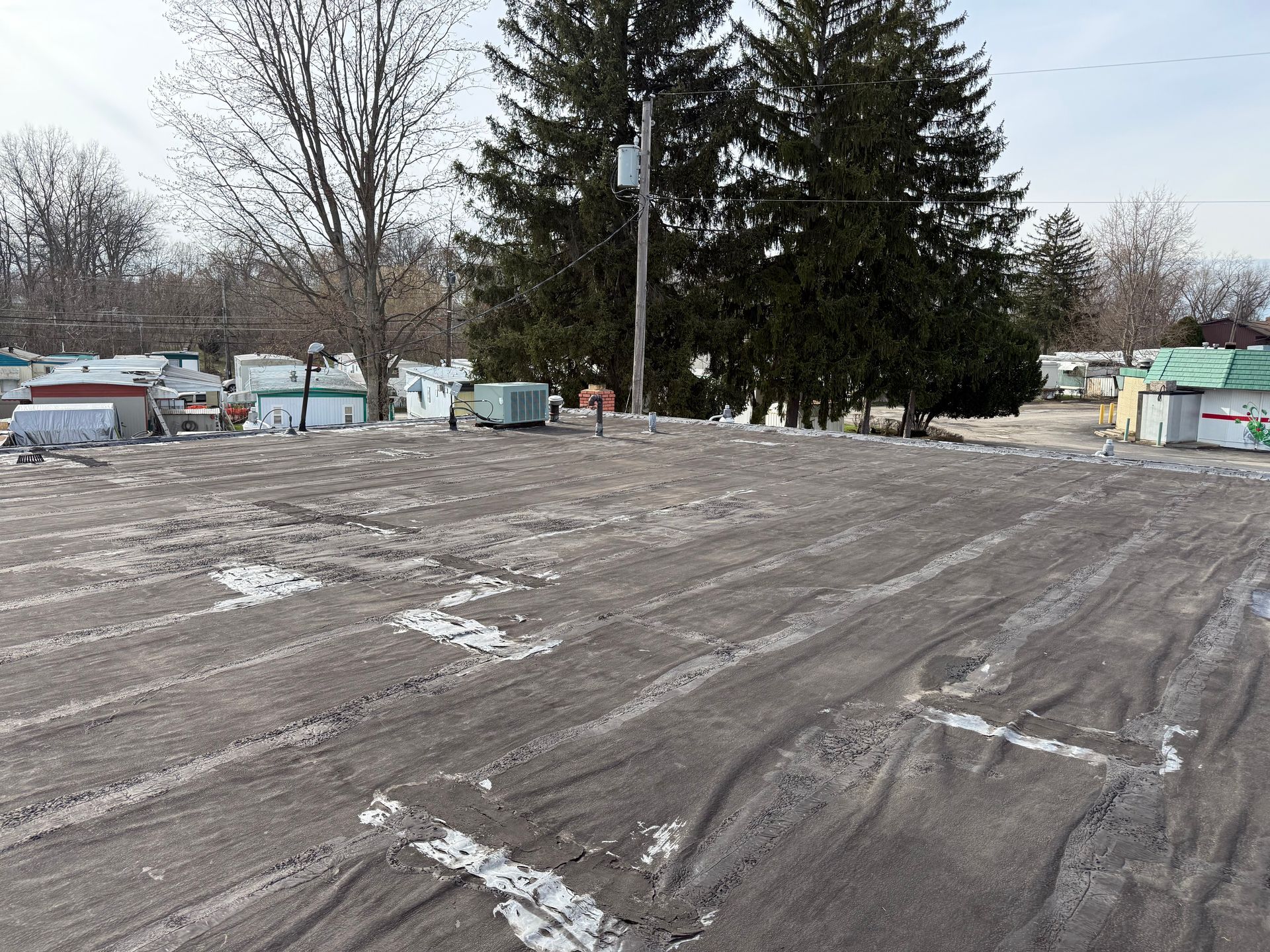
Flat and low-slope commercial roofs can also suffer hail damage, though it often presents differently than on shingle roofs. Single-ply membrane systems such as TPO, EPDM, and PVC may not show punctures right away, but hail can cause surface bruising, thinning, or stress to seams and flashing. Over time, repeated exposure to ponding water and temperature changes can worsen these weakened areas. Hail damage can also compress insulation beneath the membrane, reducing its effectiveness and contributing to drainage issues. Because flat roofs rely heavily on proper water flow, even minor hail damage can increase the risk of leaks when snow melts or heavy rain follows a storm.
Signs Your Roof May Have Hail Damage
Not all signs of hail damage are visible from the ground, and many appear weeks or months after the storm. Homeowners may notice excessive granules collecting in gutters or downspouts, or small bald spots forming on shingles. Inside the building, subtle warning signs such as ceiling discoloration, minor leaks, or moisture odors may indicate roof damage that began with a hailstorm. On commercial properties, recurring leaks in the same areas often point to compromised roofing materials rather than isolated issues. Any of these signs following a hail event should prompt a closer inspection of the roof.
Hail Damage vs Normal Roof Wear
A common question after a storm is whether roof damage is caused by hail or simply the result of normal aging. Normal wear tends to occur gradually and evenly across the roof surface, while hail damage is often more random and concentrated. Hail impacts typically appear as localized areas of granule loss, bruising, or membrane stress that do not match the surrounding roof condition. These patterns are best identified by a trained professional who understands how storm damage differs from long-term deterioration. Proper identification is important because storm-related damage can accelerate future problems if left unaddressed.
Why Early Detection Matters
Hail damage weakens roofing materials and reduces their ability to protect the structure beneath. What begins as minor surface damage can eventually lead to water infiltration, insulation damage, mold growth, and interior repairs. Addressing hail damage early helps preserve the remaining life of the roof and prevents small issues from turning into larger, more costly problems. Even if repairs are not immediately required, understanding the condition of the roof allows property owners to plan with confidence.
The Role of a Professional Roof Inspection
A professional roof inspection after a hailstorm focuses on identifying both visible and hidden damage. Inspections evaluate shingles or membranes, flashing, seams, drainage areas, and interior indicators of moisture intrusion. Learn more about our storm restoration and commercial roofing services to see how professional inspections help protect residential and commercial properties throughout Northeast Ohio.
When to Schedule a Roof Inspection After Hail
It’s best to schedule a roof inspection as soon as possible after a hailstorm, even if no immediate issues are visible. Early inspections establish a clear understanding of the roof’s condition and help prevent long-term damage caused by undetected impacts. If you’re unsure whether hail has affected your roof, ARC Contracting of Ohio offers professional inspections and clear guidance to help you make informed decisions and protect your property over the long term.