TPO vs EPDM vs PVC: Comparing Flat Roofing Systems
Flat roofing systems such as TPO, EPDM, and PVC are commonly used on commercial buildings throughout Northeast Ohio. While these materials may appear similar, each performs differently depending on building use, budget, and long-term expectations. Understanding how these systems compare can help property owners and facility managers make informed roofing decisions.
Understanding Flat Roofing Materials
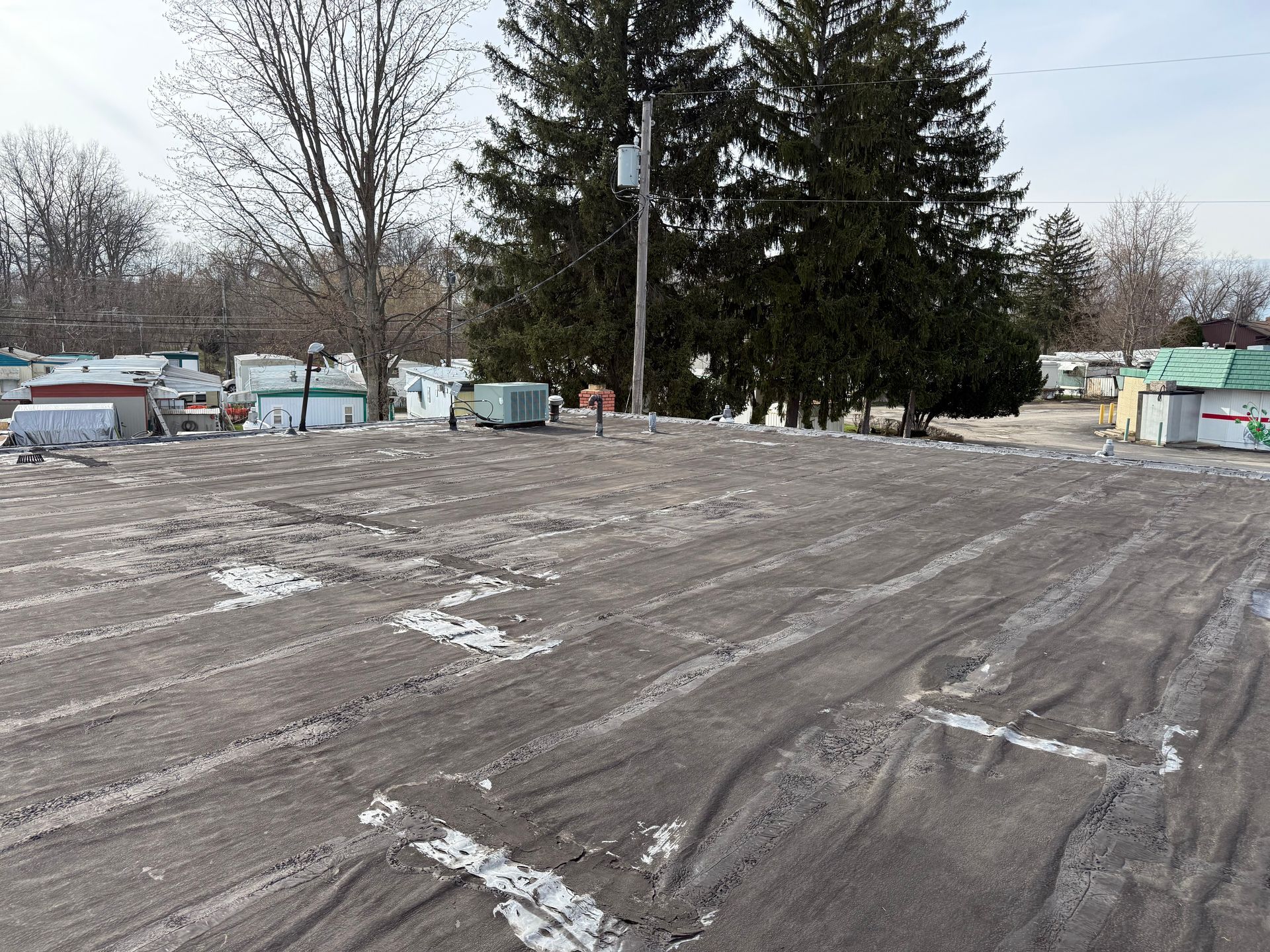
Flat roofs are widely used on commercial and industrial buildings because they are efficient, cost-effective, and compatible with rooftop equipment such as HVAC units. Most modern flat roofs use single-ply membrane systems, which consist of a durable sheet material designed to protect the building from moisture while allowing for expansion and contraction.
The three most common single-ply membranes used today are TPO, EPDM, and PVC. Each material has unique characteristics related to durability, flexibility, energy efficiency, and maintenance requirements.
What Is TPO Roofing?
TPO (Thermoplastic Polyolefin) is one of the most widely installed flat roofing systems on commercial buildings today. It is a single-ply membrane typically manufactured in white or light colors to reflect sunlight and reduce heat absorption.
One of the primary reasons TPO has grown in popularity is its balance of performance and affordability. The material is designed with heat-welded seams, which create a continuous waterproof barrier when installed correctly. This seam strength is particularly important on large, low-slope roofs where standing water and snow melt can occur.
Key Benefits of TPO Roofing
- Reflective surface that improves energy efficiency
- Heat-welded seams for strong water resistance
- Generally more affordable than PVC
- Suitable for a wide range of commercial buildings
Considerations
- Quality can vary depending on manufacturer
- Less resistant to chemical exposure than PVC
- Installation quality plays a major role in performance
TPO is commonly used on office buildings, retail spaces, warehouses, and other commercial properties where energy efficiency and cost control are priorities.
What Is EPDM Roofing?
EPDM (Ethylene Propylene Diene Monomer) is a synthetic rubber roofing membrane known for its flexibility and long-term durability. It has been used on commercial roofs for decades and has a well-established performance history.
Unlike TPO and PVC, EPDM is most commonly black, which allows it to absorb heat. This can be beneficial in colder climates, where freeze-thaw cycles are common. The flexibility of EPDM allows it to expand and contract with temperature changes, reducing the risk of cracking or splitting.
Key Benefits of EPDM Roofing
- Excellent performance in cold and fluctuating temperatures
- Long lifespan with proper maintenance
- Typically lower material cost
- Flexible membrane reduces stress on the roof system
Considerations
- Black surface absorbs heat unless coated
- Seams are adhered rather than heat-welded
- Less puncture resistant than TPO or PVC
EPDM is frequently used on large commercial buildings, industrial facilities, and structures where durability and cold-weather performance are top priorities.
What Is PVC Roofing?
PVC (Polyvinyl Chloride) is considered a premium flat roofing system and is often selected for buildings with specialized roofing needs. Like TPO, PVC uses heat-welded seams, but it also offers enhanced resistance to chemicals, oils, and grease.
This makes PVC particularly well-suited for restaurants, manufacturing facilities, and buildings with rooftop exhaust systems. Over time, the material maintains its flexibility and seam strength, contributing to long-term performance and reduced leak risk.
Key Benefits of PVC Roofing
- Superior resistance to chemicals and grease
- Heat-welded seams for long-term watertight performance
- Strong puncture resistance
- Proven durability on demanding commercial roofs
Considerations
- Higher upfront cost compared to TPO and EPDM
- Often unnecessary for buildings without chemical exposure
- Requires experienced installers for proper performance
PVC is often chosen when long-term durability and resistance to harsh rooftop conditions are more important than initial cost.
TPO vs EPDM vs PVC: Which Is Right for Your Building?
There is no single flat roofing system that is best for every commercial building. The right choice depends on several factors, including the type of business, rooftop conditions, budget, and long-term maintenance expectations.
Key considerations include:
- Exposure to chemicals or grease
- Energy efficiency goals
- Local weather conditions
- Roof size and complexity
A professional evaluation helps determine which system will provide the best performance for your specific property.
Importance of Professional Installation
Regardless of the roofing material selected, proper installation is critical to the lifespan and performance of a flat roof. Poor workmanship can lead to seam failures, drainage issues, and premature leaks. Working with an experienced contractor ensures the roofing system is installed according to manufacturer guidelines and regional weather conditions.
Learn more about our commercial roofing services and how we help protect flat roofs across Northeast Ohio.
When to Schedule a Flat Roof Inspection
Flat roofs should be inspected regularly, especially after severe weather or seasonal temperature changes. Early detection of membrane damage, seam issues, or drainage problems can help prevent interior damage and extend the life of the roof.
If you’re considering a new flat roofing system or want to understand the condition of your existing roof, ARC Contracting of Ohio offers professional inspections and clear guidance to help you plan with confidence.