How to Tell if You Need a Roof Repair or a Full Replacement
How to tell if you need a roof repair or a full replacement
When homeowners notice a leak, missing shingles, or water stains on the ceiling, the first question is almost always the same: Do I need a roof repair, or is it time for a full replacement? The answer is not always obvious, and in many cases, the wrong decision can lead to unnecessary expenses or ongoing problems.
Understanding how roofing professionals evaluate this decision can help you protect your home and avoid costly surprises.
Understanding the Difference Between Roof Repair and Roof Replacement
A roof repair is designed to address a specific issue without replacing the entire roofing system. This might involve sealing flashing, replacing damaged shingles, or correcting a localized leak. Repairs are most effective when the rest of the roof is still in good condition and capable of performing as intended.
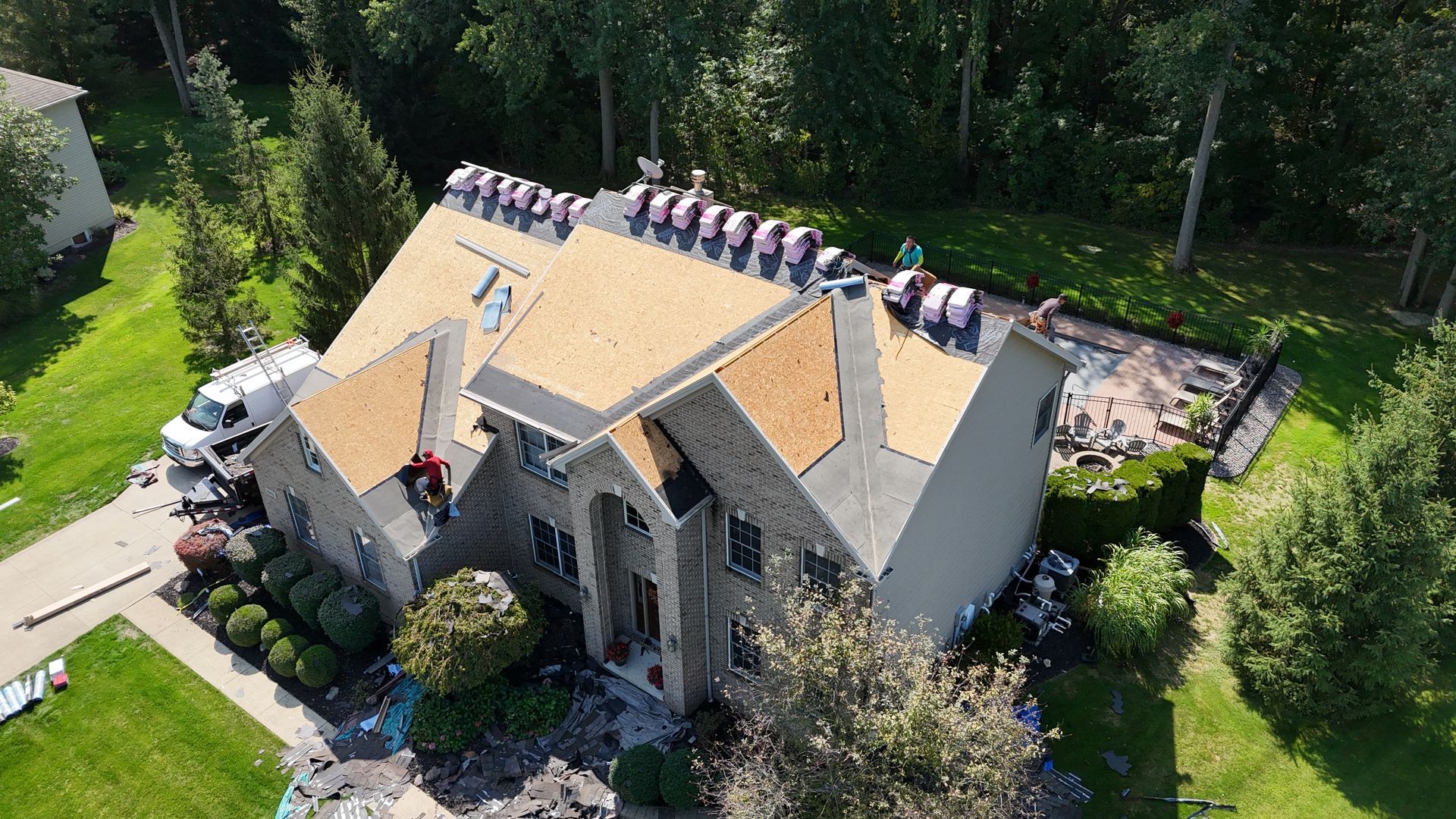
A roof replacement, on the other hand, involves removing the existing roofing materials and installing a new system from the deck up. This option is typically recommended when the roof has reached the end of its lifespan or when damage is widespread enough that repairs would only offer short-term relief.
When a Roof Repair Is Usually the Right Choice
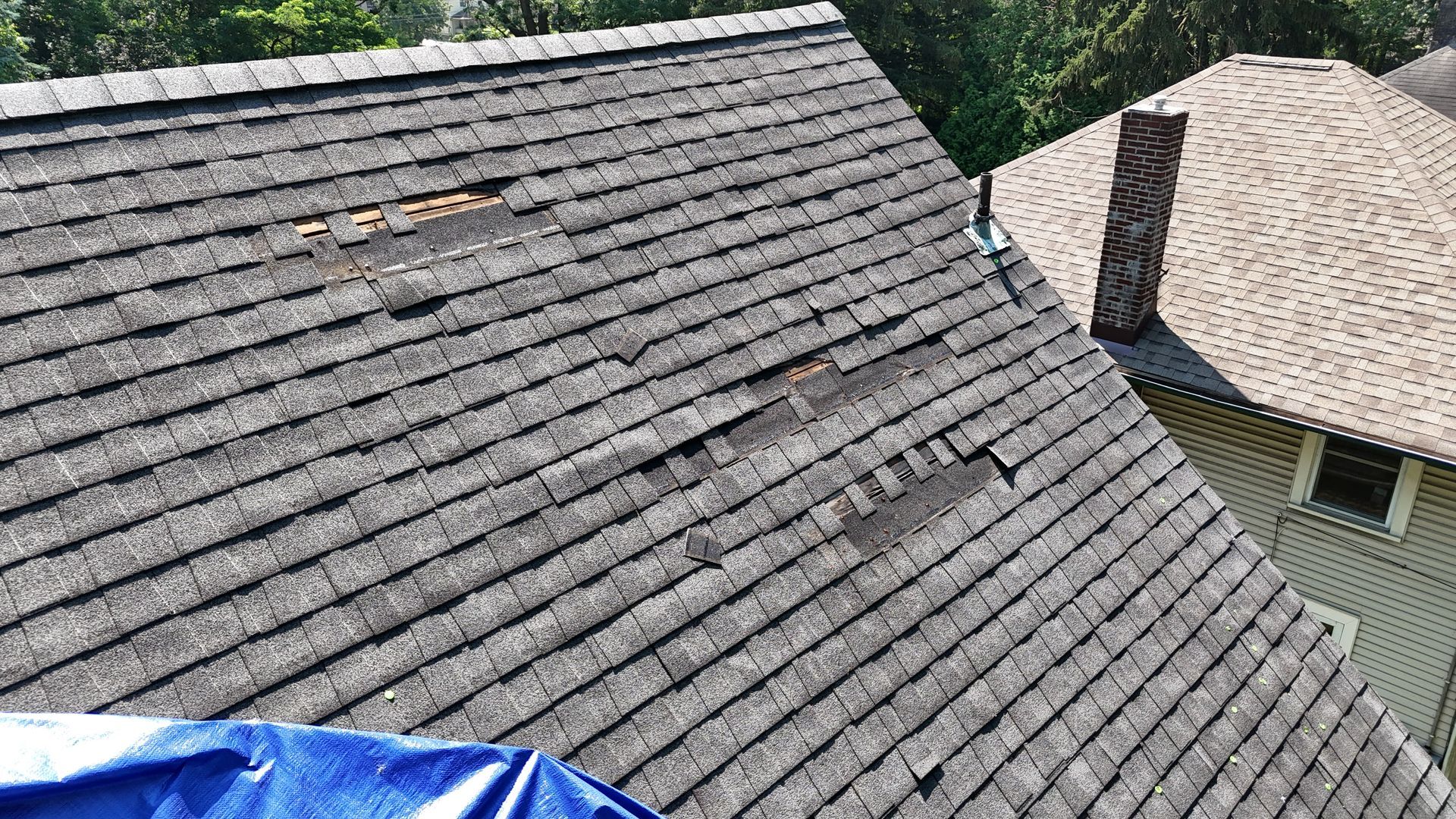
In many situations, a roof repair can restore protection without the cost of a full replacement. This is often the case when damage is isolated and the roof itself is relatively young. For example, a few missing shingles after a windstorm or a small leak around a roof penetration can often be corrected quickly and effectively.
When repairs are done early, they can prevent moisture from spreading into insulation, drywall, or framing. Homeowners who schedule a professional roof inspection as soon as an issue appears often avoid much larger repairs later.
Signs That Point Toward Roof Replacement
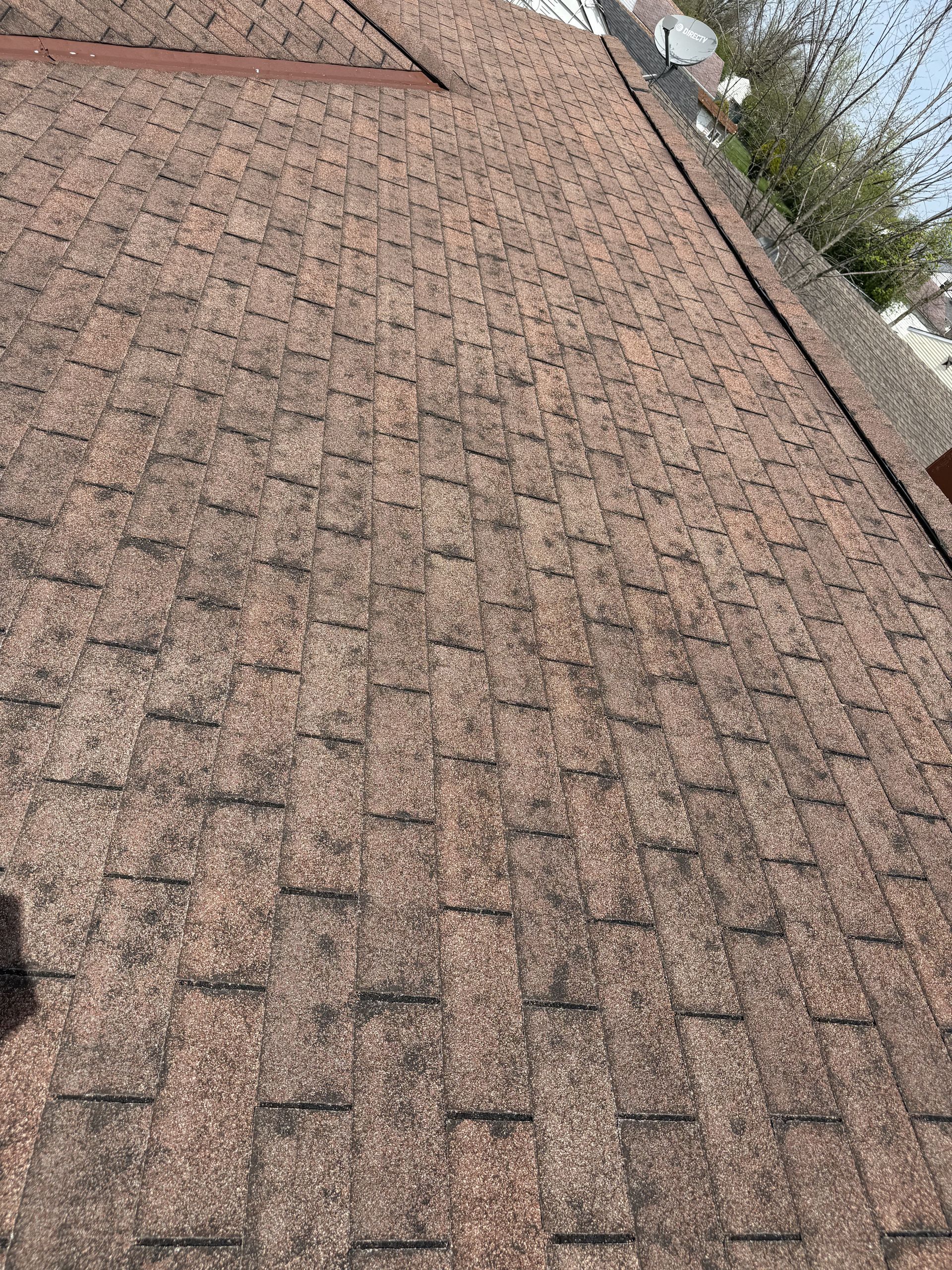
There are times when repairing a roof simply delays the inevitable. As roofing materials age, they lose their ability to shed water properly, even if individual issues are patched. Repeated leaks, widespread shingle deterioration, or visible sagging can indicate that the roof is no longer functioning as a system.
In Northeast Ohio, asphalt shingle roofs commonly begin to fail after 20 years due to constant freeze-thaw cycles, heavy snow loads, and summer heat. When problems appear across multiple areas of the roof, replacement often becomes the more reliable and cost-effective solution.
Why Roof Age Plays Such a Big Role in Ohio
Roofing materials wear differently depending on climate. In Ohio, fluctuating temperatures cause shingles to expand and contract repeatedly, which accelerates cracking and granule loss. Snow and ice can also trap moisture against the roof surface, increasing the risk of leaks as materials weaken.
Poor attic airflow can make these problems worse by allowing warm, moist air to build up beneath the roof deck. Proper attic ventilation helps regulate temperature and moisture, extending the life of the roofing system year-round.
The Hidden Cost of Repeated Repairs
While repairs are often less expensive upfront, they can become costly over time if the roof is nearing the end of its lifespan. Homeowners may find themselves paying for multiple service calls, interior ceiling repairs, and temporary fixes without ever addressing the underlying issue.
In these situations, a full roof replacement often provides better long-term value by eliminating recurring problems and restoring complete protection to the home.
Why a Professional Roof Inspection Matters
The only way to accurately determine whether a roof needs repair or replacement is through a comprehensive inspection. This process includes evaluating shingle condition, flashing details, attic moisture levels, and ventilation performance.
A proper inspection focuses on identifying the root cause of the problem rather than treating symptoms. This is especially important when dealing with leaks that may originate from ventilation or condensation issues rather than roofing materials alone.
Making the Right Decision for Your Home
Every home and every roof is different. Two houses with similar leaks may require entirely different solutions depending on age, construction, and overall condition. Working with a contractor who prioritizes honest evaluations and clear communication ensures you receive recommendations that truly fit your situation.
Get an Honest Roof Evaluation in Northeast Ohio
If you’re unsure whether your roof needs a simple repair or full replacement, a professional evaluation can provide clarity and peace of mind. ARC Contracting of Ohio provides honest roof inspections, reliable residential roofing services, and expert guidance for homeowners throughout Northeast Ohio.
Frequently Asked Questions
Can part of a roof be repaired, or does the whole roof need to be replaced?
In many cases, part of a roof can be repaired if the damage is limited to a specific area and the rest of the roof is still in good condition. Localized issues such as missing shingles, flashing problems, or minor leaks can often be fixed without replacing the entire roof. However, if the roof is older or showing widespread wear, partial repairs may only provide short-term relief, and a full replacement may be the better long-term solution.
Is it cheaper to repair a roof or replace it?
A roof repair is usually less expensive upfront than a full replacement, but cost should be evaluated over time. While a repair may solve an immediate issue, repeated repairs on an aging roof can add up quickly and sometimes cost more than replacing the roof once. A professional inspection can help determine whether a repair is a smart investment or if replacement will provide better long-term value.
How do I know if a roof leak is serious?
A roof leak should always be taken seriously, even if the damage appears minor. Small leaks can allow moisture to spread into insulation, drywall, and framing, leading to mold growth and structural damage over time. The best way to assess the severity of a leak is through a professional roof inspection, which can identify the source of the problem and determine whether a repair or replacement is needed.