What Causes Water Spots on Ceilings (And When It’s NOT a Roof Leak)
Seeing a water spot on your ceiling is alarming for any homeowner. Most people immediately assume the worst—that their roof is leaking and needs to be replaced. In reality, water spots can come from several different sources, and many of them are not caused by roof failure at all. Understanding what’s behind these stains is the first step toward fixing the problem correctly and avoiding unnecessary repairs.
In Northeast Ohio, seasonal weather changes, insulation issues, and attic ventilation problems often play a much larger role than homeowners realize.
Roof Leaks: The Most Common (But Not the Only) Cause
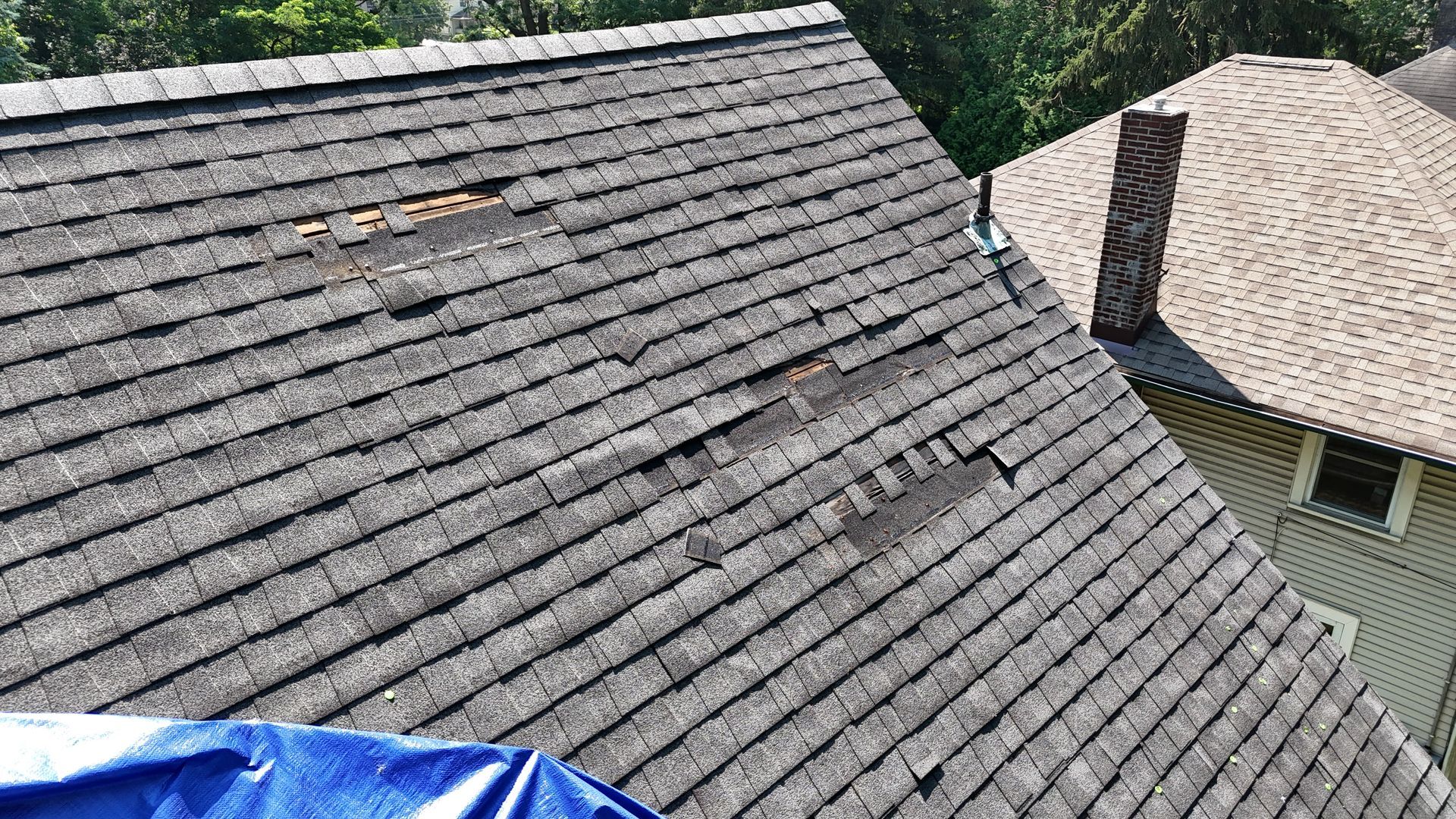
A true roof leak occurs when water penetrates the roofing system and makes its way into the home. This can happen due to missing or damaged shingles, failed flashing around chimneys or vents, nail pops, or aging roofing materials that no longer shed water properly.
What surprises many homeowners is that roof leaks don’t always show up immediately after a storm. Water can travel along rafters or decking before finally appearing on the ceiling days or even weeks later. This delay often makes it difficult to connect the water spot to a specific weather event.
Attic Condensation: A Major Cause in Ohio Homes
One of the most overlooked causes of ceiling water spots—especially in winter—is attic condensation. When warm, moist air from inside the home rises into a cold attic, it can condense on the underside of the roof decking. Over time, that moisture drips down and creates stains that look exactly like a roof leak.
This is extremely common in homes with:
- Inadequate attic ventilation
- Bathroom or kitchen fans venting into the attic
- Poor insulation or air sealing
In these cases, replacing shingles won’t solve the problem. The real fix is addressing airflow and moisture management in the attic.
Poor Roof Ventilation and Airflow Imbalance
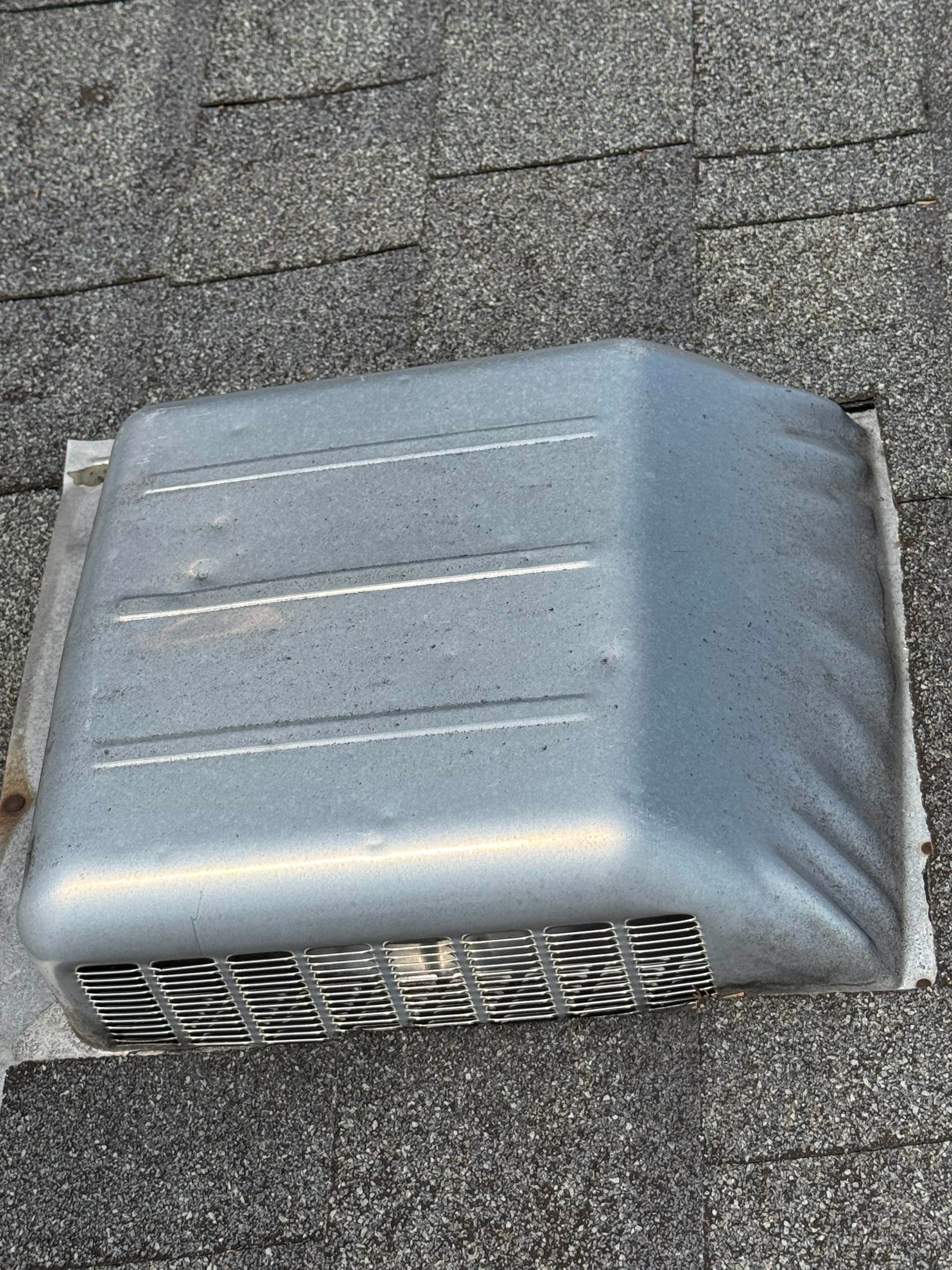
A properly designed roof system relies on balanced ventilation—cool air entering through soffit vents and warm air exiting through ridge or roof vents. When this system isn’t working correctly, heat and moisture become trapped in the attic.
That trapped moisture can lead to:
- Ceiling stains
- Mold or mildew growth
- Premature roof aging
- Ice dam formation in winter
Many homes we inspect have vents installed, but they aren’t functioning as a complete system, which leads to ongoing moisture issues.
Plumbing and HVAC Issues Above the Ceiling
Not all ceiling water spots originate from the roof or attic. Plumbing lines, HVAC equipment, or bathroom exhaust ducts running above ceilings can also leak or produce condensation.
Common examples include:
- Slow plumbing leaks from supply or drain lines
- Condensation dripping from uninsulated HVAC ducts
- Bathroom fans disconnected or leaking into attic space
These issues often require coordination between a roofing professional and other trades to fully resolve.
Ice Dams and Snow Melt
During Ohio winters, ice dams can form when heat escapes into the attic and melts snow on the roof. As that water refreezes at the eaves, it creates a dam that forces water back under the shingles and into the home.
Water damage from ice dams often appears as ceiling stains near exterior walls and can persist even after the snow is gone if the underlying ventilation or insulation issues remain.
Why a Professional Inspection Matters
Because so many different problems can cause water spots, guessing often leads to unnecessary repairs or repeat issues. A professional inspection looks at the entire roofing system, including shingles, flashing, ventilation, insulation, and attic conditions, to determine the true source of the moisture.
In many cases, the solution is simpler and less expensive than homeowners expect—especially when the issue is caught early.
Frequently Asked Questions About Ceiling Water Spots
Are water spots on ceilings always a roof leak?
No. While roof leaks are a common cause, many water spots are the result of attic condensation, ventilation problems, plumbing leaks, or HVAC-related moisture.
Why do water spots show up in winter but not during rain?
Winter water spots are often caused by condensation or ice dams rather than active leaks. Warm indoor air meeting cold attic surfaces can create moisture even without precipitation.
Can a water spot dry out and still be a problem?
Yes. Even if the stain dries, the underlying issue may still exist. Moisture problems often return and worsen over time if not properly addressed.
Should I replace my roof if I see a ceiling stain?
Not necessarily. Many ceiling stains are caused by ventilation or insulation issues that can be corrected without a full roof replacement.
How soon should I have a water spot inspected?
As soon as possible. Early inspection helps prevent mold growth, structural damage, and more costly repairs down the line.