What to Do After a Hail Storm Damages Your Roof
Hail storms can cause serious damage to roofing systems, even when the damage is not immediately visible from the ground. In Northeast Ohio, hail, high winds, and heavy rain can weaken shingles, damage flashing, dent metal components, and shorten the lifespan of your roof. Knowing what to do after a hail storm can help homeowners protect their property, prevent additional damage, and avoid costly repairs in the future. If your home or building was recently affected by severe weather, it may be time to schedule an inspection or request a roofing quote to evaluate the condition of your roof.
Inspect Your Property Safely from the Ground
After a hail storm passes, the first step is to safely inspect your property from the ground. Look for obvious signs of storm damage such as missing shingles, fallen branches, dented gutters, damaged siding, or debris around the home. You should also check downspouts and gutters for shingle granules, which may indicate impact damage to the roof.
Avoid climbing onto the roof yourself, especially immediately after a storm when surfaces may still be wet or slippery. Many types of hail damage are difficult to identify without proper training, so a professional inspection is often the safest and most effective option.
Check for Interior Signs of Roof Damage
Hail damage does not always create immediate leaks, but it can still allow moisture to enter over time. After a storm, check your attic and interior ceilings for water stains, damp insulation, peeling paint, or musty odors. These can all be signs that your roofing system was compromised during the storm.
If you notice interior damage, it is important to act quickly to prevent additional moisture intrusion and structural problems.
Schedule a Professional Roof Inspection
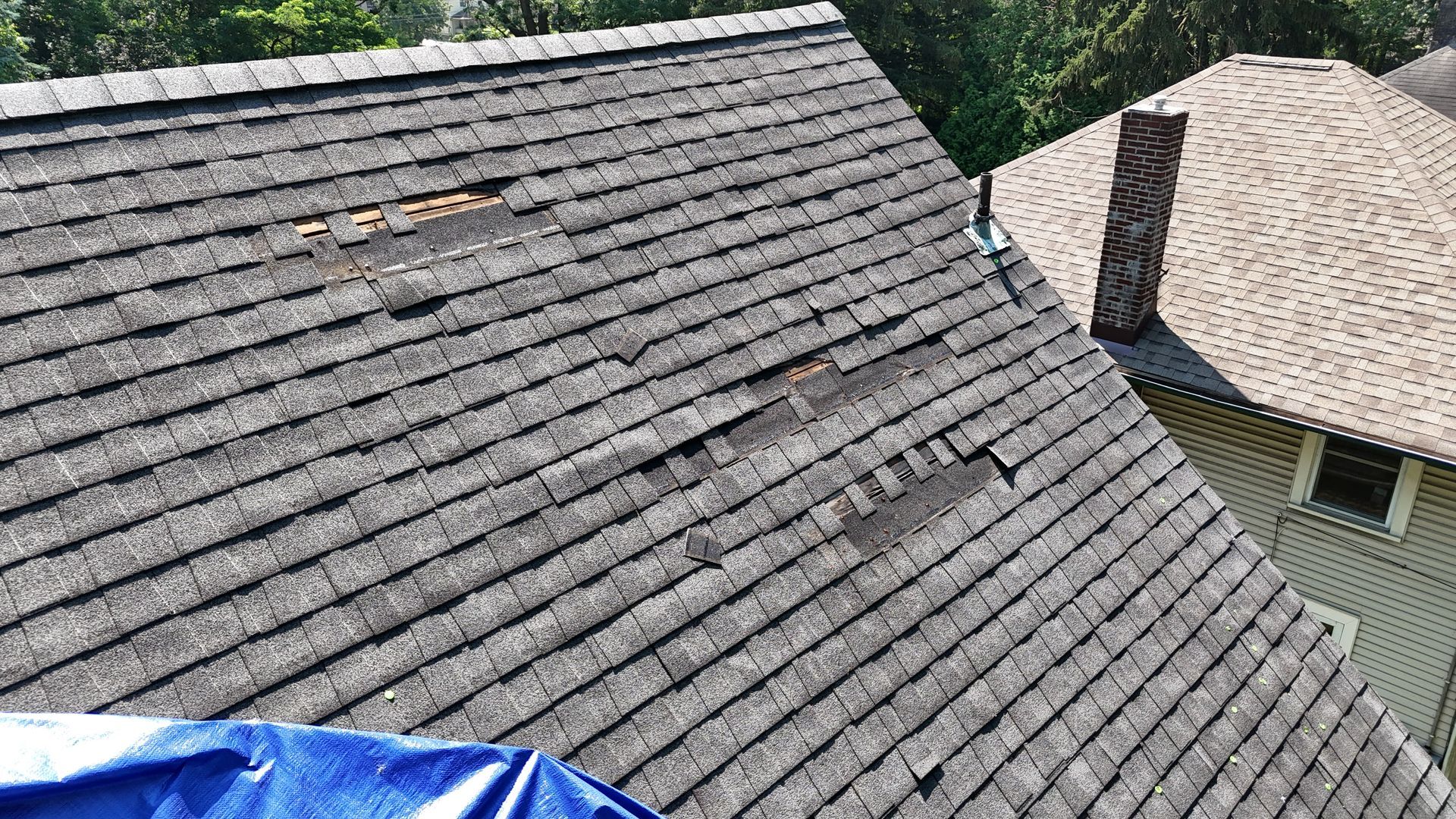
One of the most important steps after a hail storm is having your roof professionally inspected. A trained contractor can identify hidden storm damage that may not be visible from the ground, including bruising, granule loss, cracked shingles, and damage to roof vents or flashing.
A professional inspection can also help determine whether your residential roofing system or commercial roofing system has damage severe enough to require repairs or replacement. Catching storm damage early can help prevent leaks and extend the lifespan of your roof.
Document Any Visible Damage
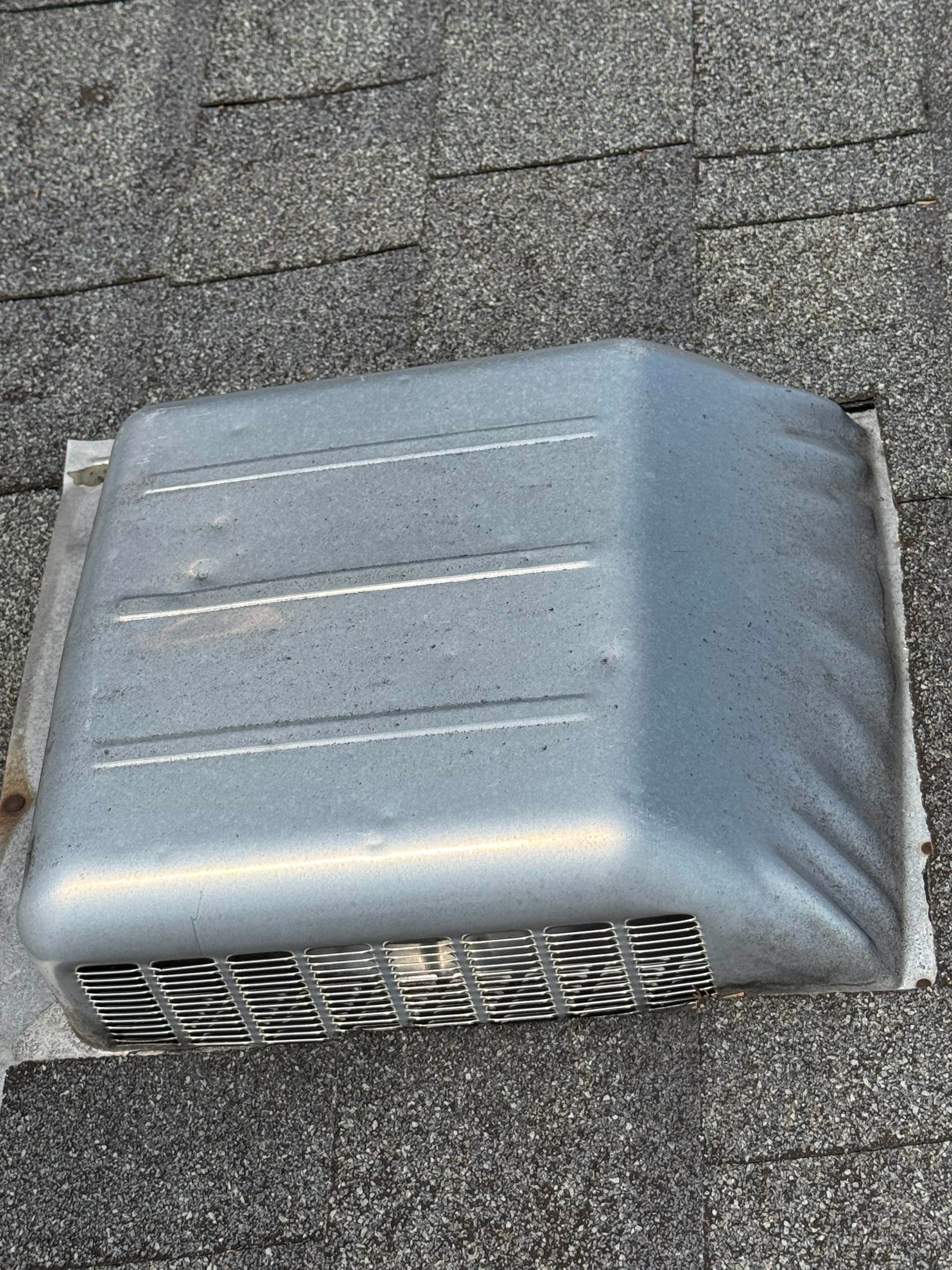
If you suspect hail damage, take photos of any visible issues around your property. This may include damaged gutters, dented metal vents, broken siding, or missing shingles. Documentation can be helpful if you decide to file an insurance claim later.
A contractor experienced in storm restoration services can also help document roofing damage and explain the condition of your roof in detail.
Understand Your Insurance Coverage
Many homeowners' insurance policies cover hail and storm-related roof damage, but coverage can vary depending on your policy and the age of the roof. If your roof has significant hail damage, your contractor can help determine whether filing a claim makes sense for your situation.
It’s important to address storm damage promptly, as waiting too long can sometimes create complications with insurance claims or allow the damage to worsen over time.
Don’t Ignore Minor Hail Damage
Even if your roof is not actively leaking, hail damage can still shorten the lifespan of your shingles and weaken the roofing system. Small cracks, bruising, and granule loss can continue to deteriorate over time as the roof is exposed to sun, wind, and rain.
What may seem like minor cosmetic damage today can eventually lead to leaks, moisture intrusion, and costly structural repairs if left untreated.
Protect Your Home After a Hail Storm
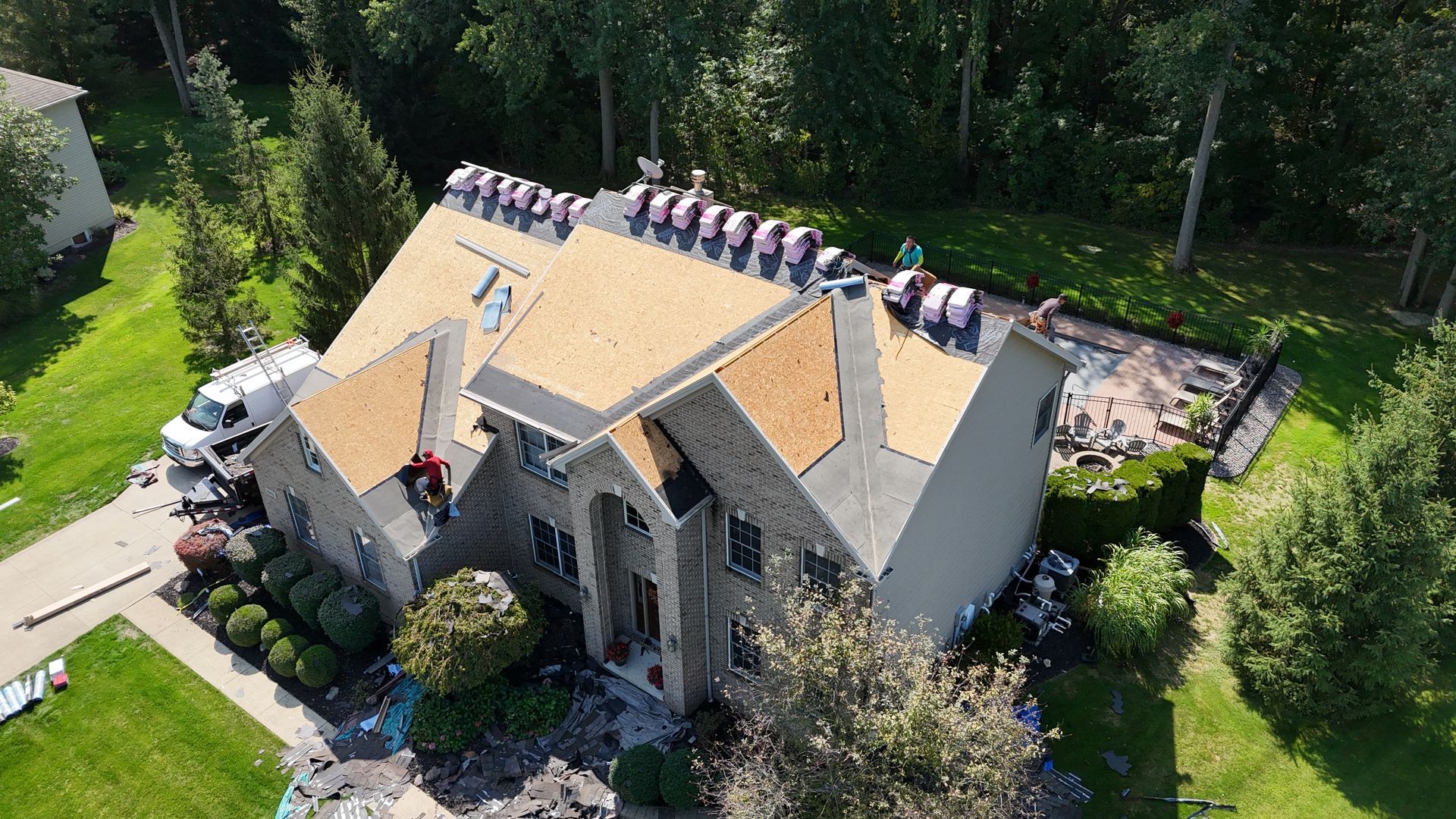
At ARC Contracting of Ohio, we help homeowners and property owners throughout Northeast Ohio identify and repair storm damage caused by hail and severe weather. Our team provides professional inspections, honest evaluations, and quality repair and replacement solutions designed to protect your property long-term.
If your area recently experienced hail or severe weather, you can request a roofing quote to schedule a professional roof inspection and make sure your roofing system is still properly protecting your home.
Frequently Asked Questions
Should I have my roof inspected after hail even if it isn’t leaking?
Yes. Many types of hail damage are not immediately visible and may not cause leaks until months later.
Can small hail damage a roof?
Yes. Smaller hail can still damage shingles, especially older roofs or roofs already weakened by weather and age.
What does hail damage look like on shingles?
Common signs include granule loss, bruising, cracks, and soft spots on asphalt shingles.
Will insurance cover hail damage?
In many cases, hail damage is covered by homeowners insurance depending on the policy and severity of the damage.