Common Commercial Roofing Problems Property Managers Should Watch For
For property managers, building owners, HOA boards, and facility maintenance teams, a commercial roof is one of the most important assets to protect. Unfortunately, many commercial roofing problems develop slowly and can go unnoticed until they cause leaks, tenant complaints, or expensive repairs. Regular inspections and preventative maintenance can help identify issues before they become major problems. Understanding the most common commercial roofing issues can help property managers make informed decisions and protect their buildings from costly damage.
Ponding Water on Flat Roofs
One of the most common problems found on commercial roofing systems is ponding water. Flat and low-slope roofs are designed to drain water efficiently, but clogged drains, settling, or improper roof slopes can allow water to collect and remain on the roof for extended periods. Standing water can accelerate membrane deterioration, increase the risk of leaks, and place additional stress on the roofing system. Property managers should routinely inspect roofs after heavy rain and address drainage issues as soon as possible.
Roof Leaks and Moisture Intrusion
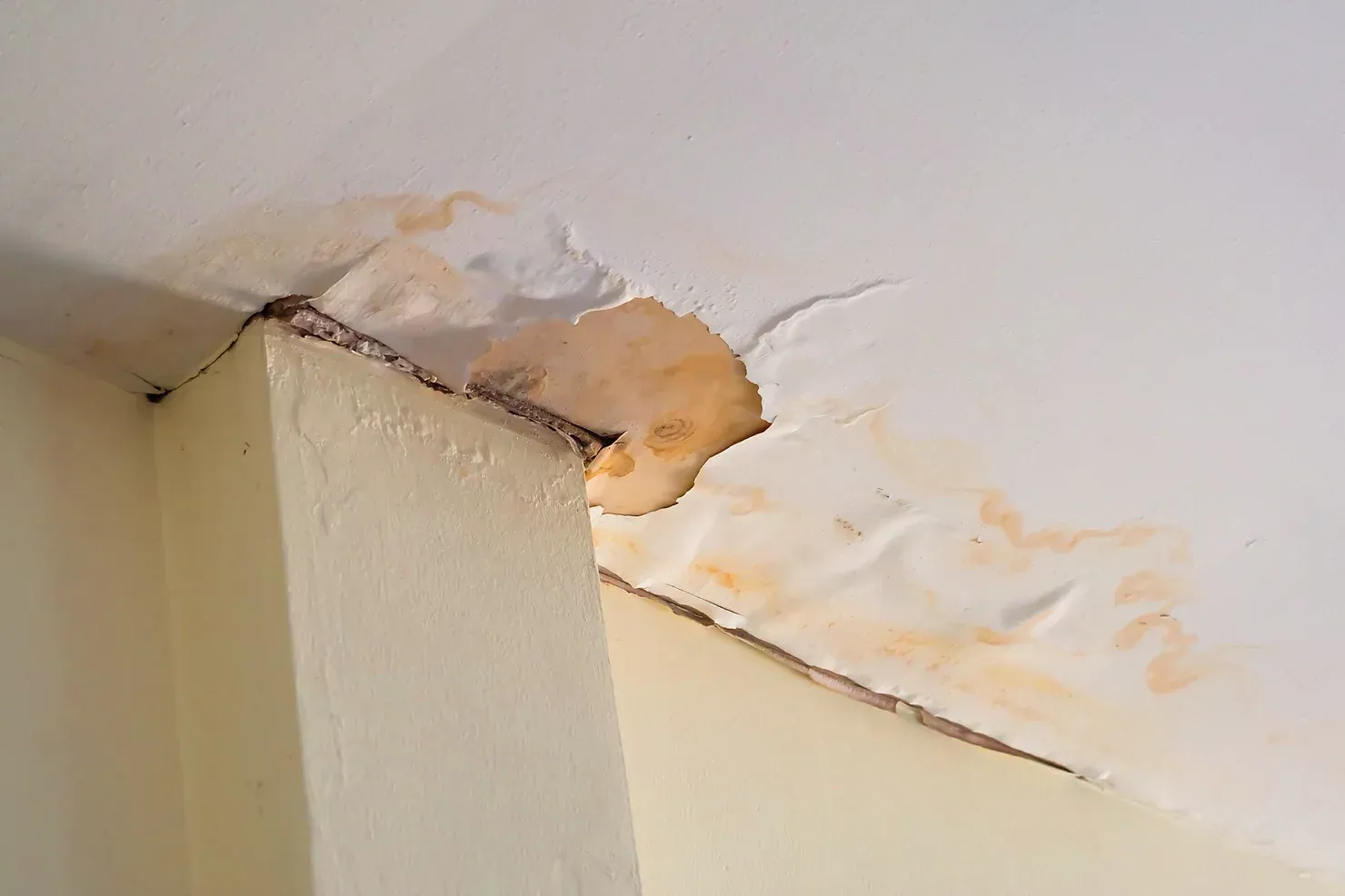
Commercial roof leaks often begin as small issues that worsen over time. Water can enter through damaged seams, deteriorated flashing, punctures, or aging roofing materials. Unfortunately, by the time water stains appear inside the building, moisture may have already spread throughout insulation, decking, and structural components. Regular inspections and prompt repairs can help prevent leaks from turning into major restoration projects. If leaks are discovered, a professional commercial roofing inspection can help determine the source and recommend the best solution.
Damaged Flashing and Roof Penetrations
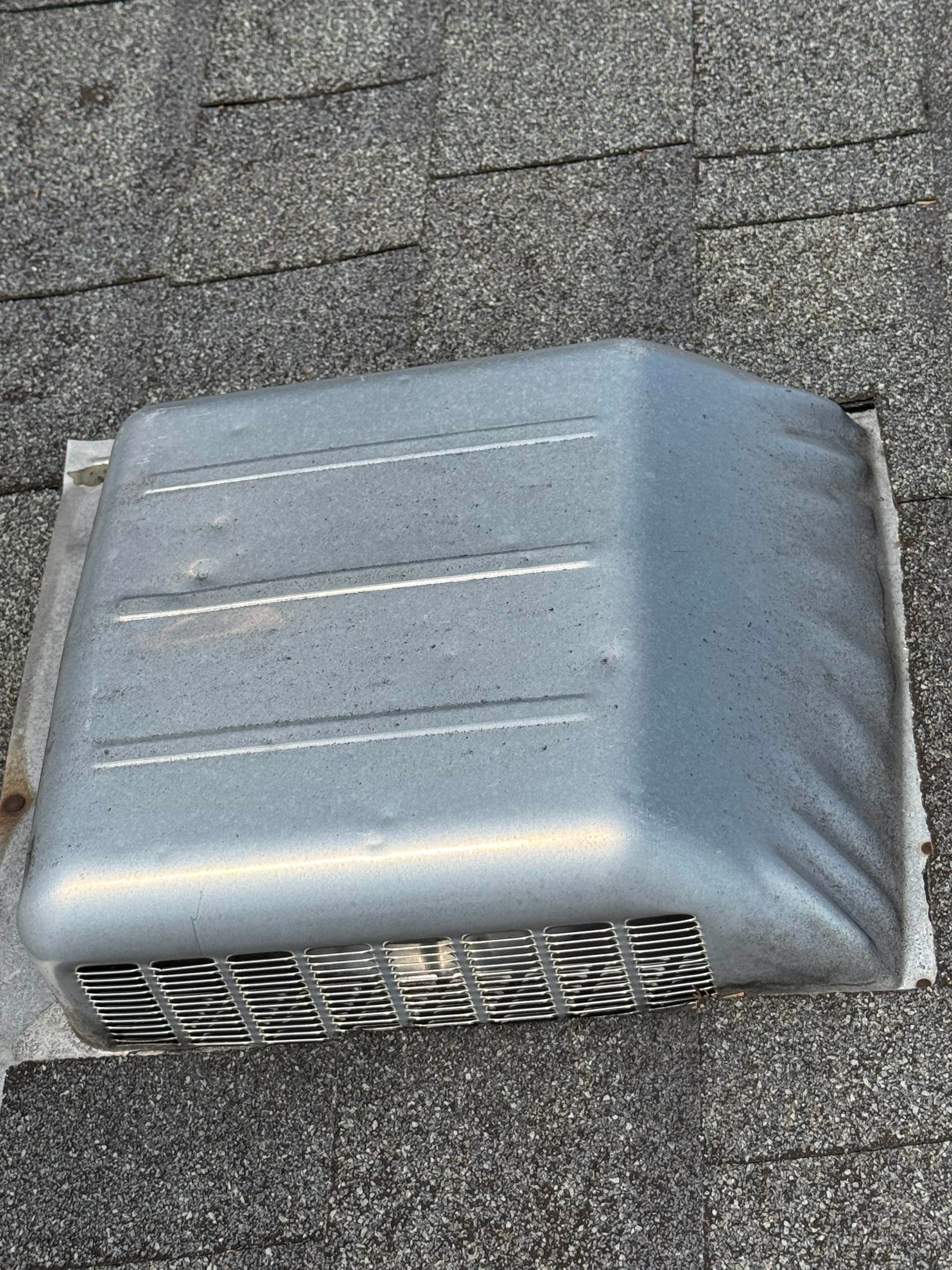
Commercial roofs often contain HVAC units, vents, skylights, and other penetrations that require flashing to remain watertight. Over time, flashing can deteriorate, separate, or become damaged by weather and temperature changes. These areas are among the most common sources of commercial roof leaks. Routine inspections can identify flashing problems before they lead to interior damage.
Membrane Damage and Punctures
TPO, EPDM, and other commercial roofing membranes are highly durable, but they can still be damaged by foot traffic, maintenance work, storm debris, or equipment installation. Small punctures may not be noticeable at first but can eventually allow water to enter the roofing system. Property managers should ensure that anyone accessing the roof does so carefully and that roofing systems are inspected regularly for signs of damage.
Storm Damage
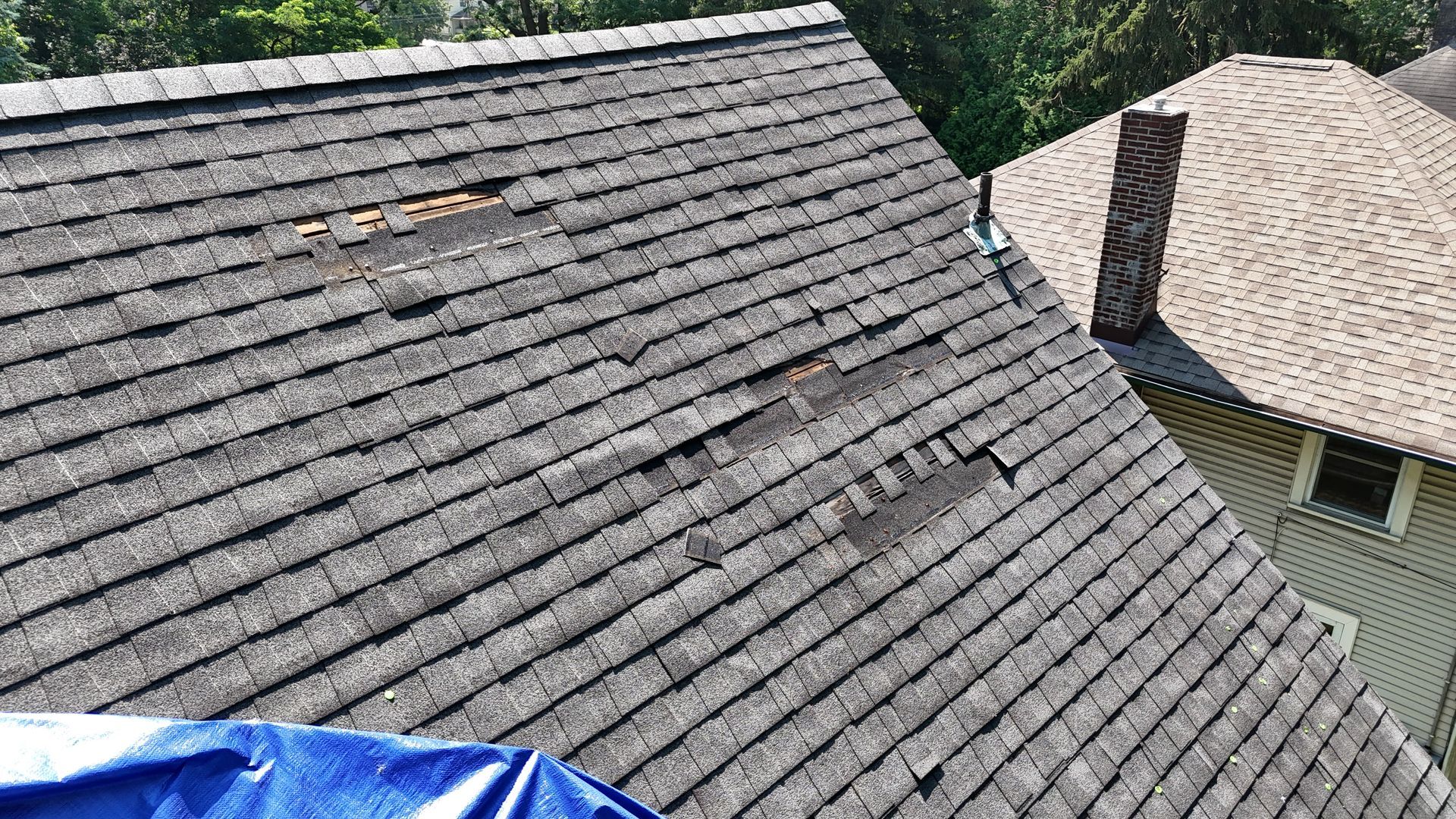
Northeast Ohio weather can be tough on commercial roofing systems. High winds, hail, and heavy rain can damage membranes, flashing, roof accessories, and drainage systems. Some storm damage is obvious, while other damage may remain hidden for months before causing leaks. Scheduling a professional storm restoration inspection after severe weather can help identify damage early and protect the building from future issues.
Clogged Drains and Drainage Systems
Unlike many residential roofs, commercial roofs often rely on internal drains, scuppers, and drainage systems to move water off the roof. When these systems become clogged with debris, leaves, or dirt, water can back up and create ponding conditions. Routine maintenance and seasonal inspections can help ensure drainage systems remain clear and functioning properly.
Aging Roofing Systems
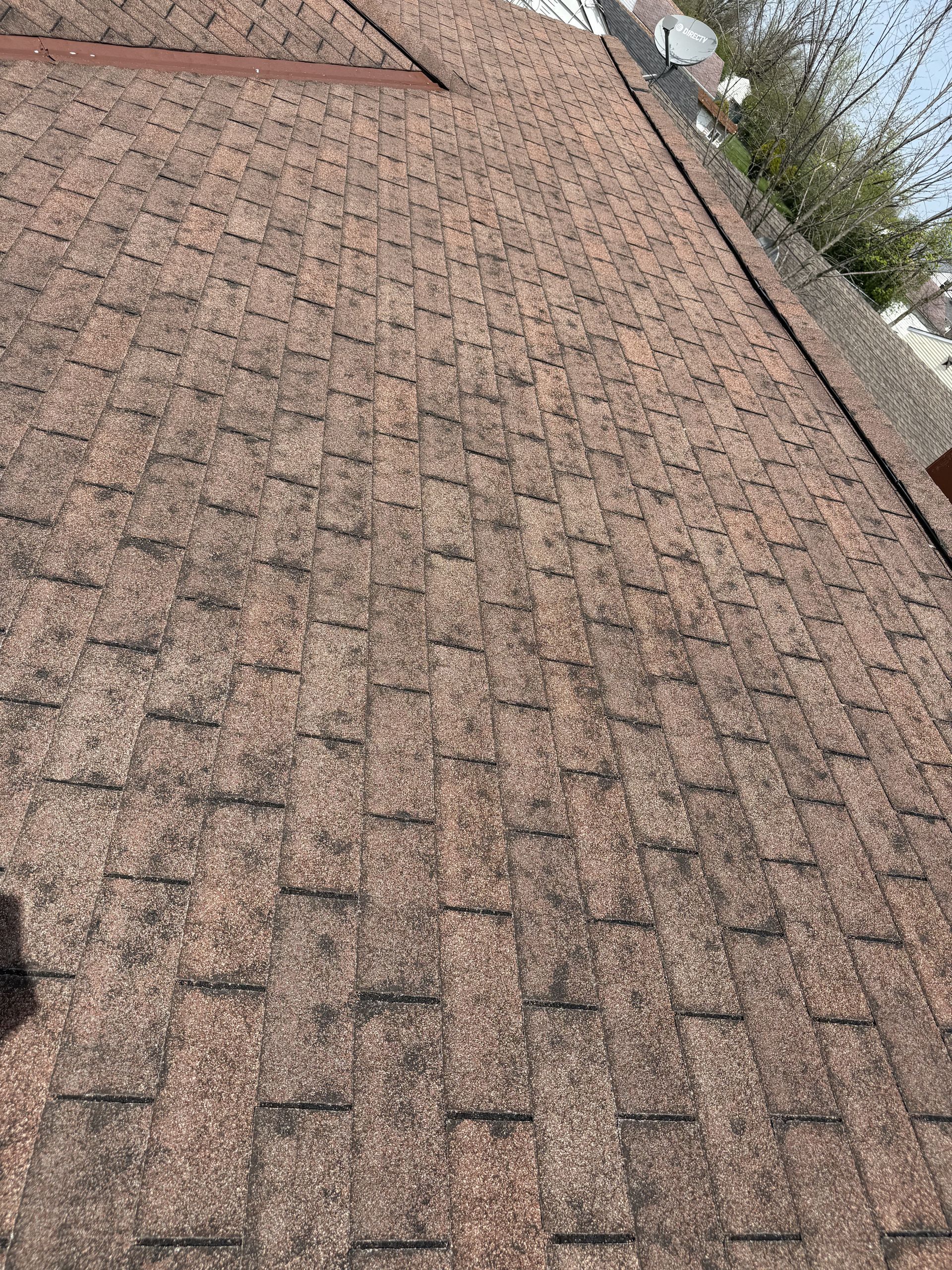
Every commercial roofing system eventually reaches the end of its service life. As roofs age, they become more vulnerable to leaks, membrane shrinkage, seam failure, and weather-related damage. Property managers should understand the expected lifespan of their roofing system and develop a long-term maintenance and replacement plan. Proactive planning helps avoid emergency repairs and allows building owners to budget effectively for future roofing projects.
Why Preventative Maintenance Matters
Many commercial roofing problems can be prevented or significantly reduced through routine maintenance. Regular inspections help identify minor issues before they become major expenses. A preventative maintenance program can extend roof life, reduce repair costs, and provide property managers with valuable information about the condition of their roofing assets.
For large facilities, apartment complexes, schools, churches, and commercial buildings, preventative maintenance is often one of the most cost-effective investments a property owner can make.
Protect Your Commercial Property with Professional Roofing Services
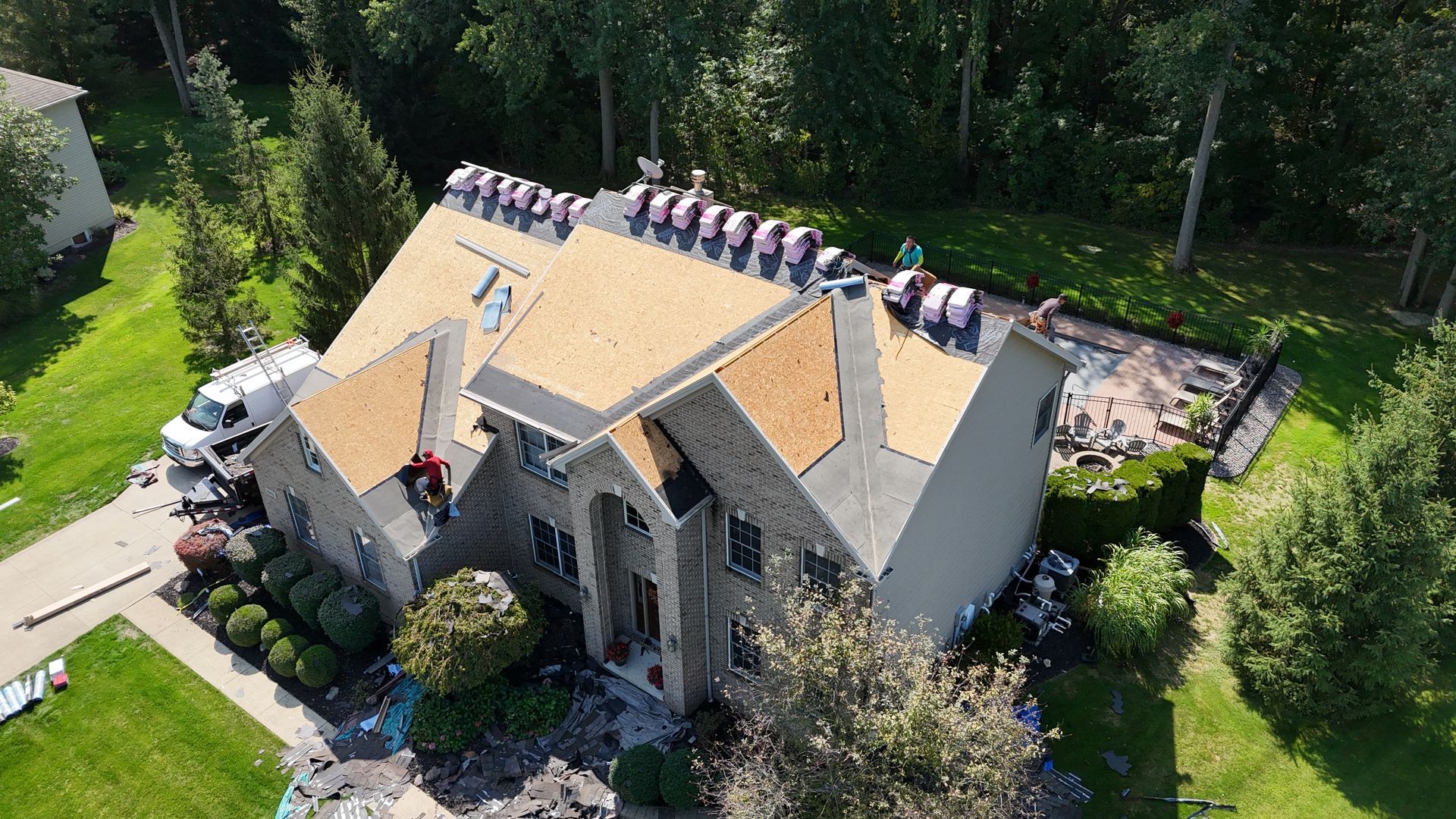
At ARC Contracting of Ohio, we help property managers, facility managers, and building owners identify and address commercial roofing issues before they become costly problems. Our team provides inspections, maintenance programs, repairs, storm restoration services, and full roof replacements for commercial properties throughout Northeast Ohio.
If you’re responsible for maintaining a commercial building, you can request a commercial roofing quote to schedule an inspection and develop a plan to protect your property for years to come.
Frequently Asked Questions
How often should a commercial roof be inspected?
Most commercial roofs should be professionally inspected at least twice per year and after major storm events.
What is the most common commercial roofing problem?
Ponding water, roof leaks, flashing failures, and membrane damage are among the most common issues.
Can preventative maintenance extend roof life?
Yes. Regular inspections and maintenance can significantly increase the lifespan of a commercial roofing system.
What should property managers do after a major storm?
Schedule a professional roof inspection to identify hidden damage and prevent future leaks or structural issues.