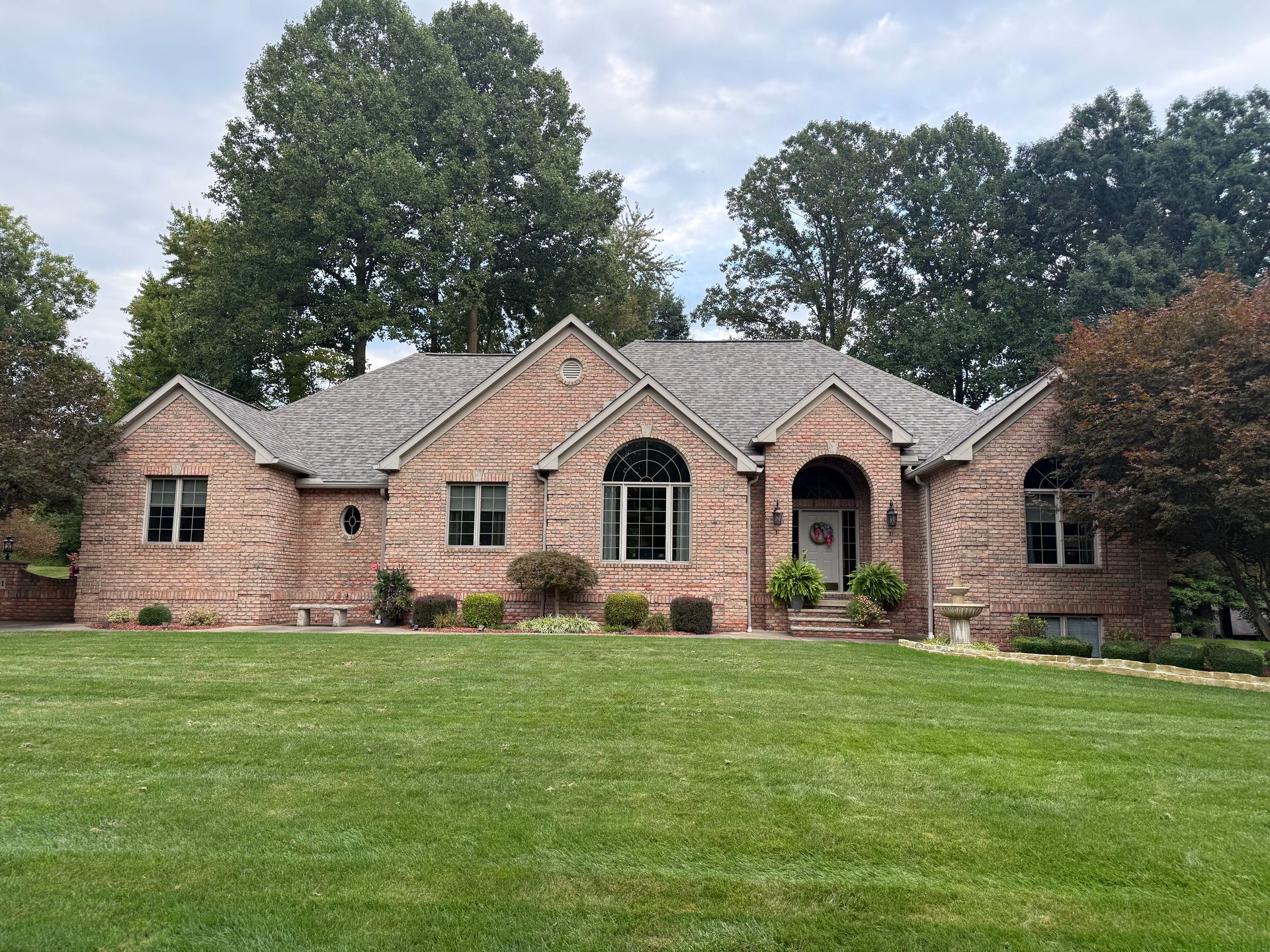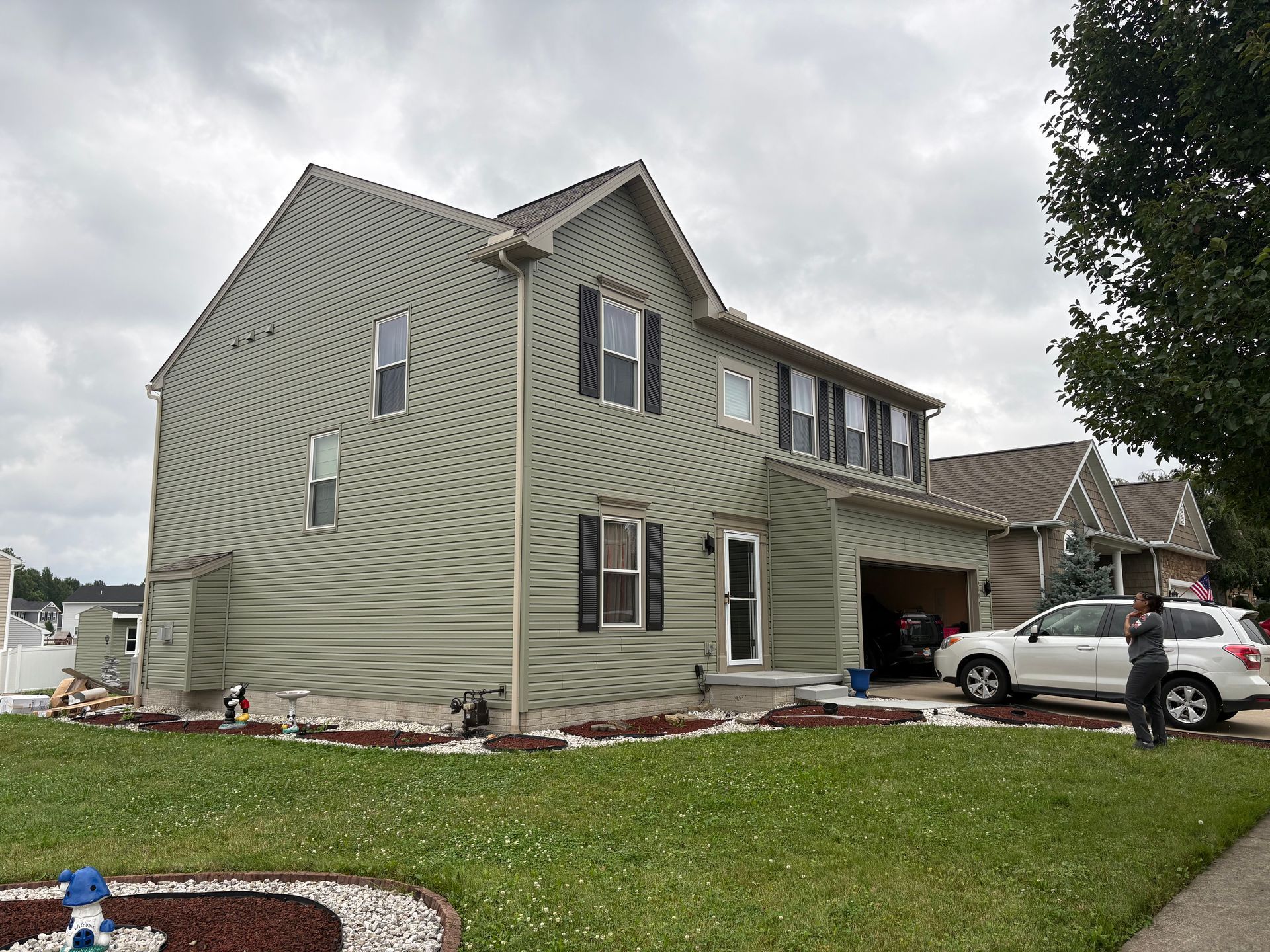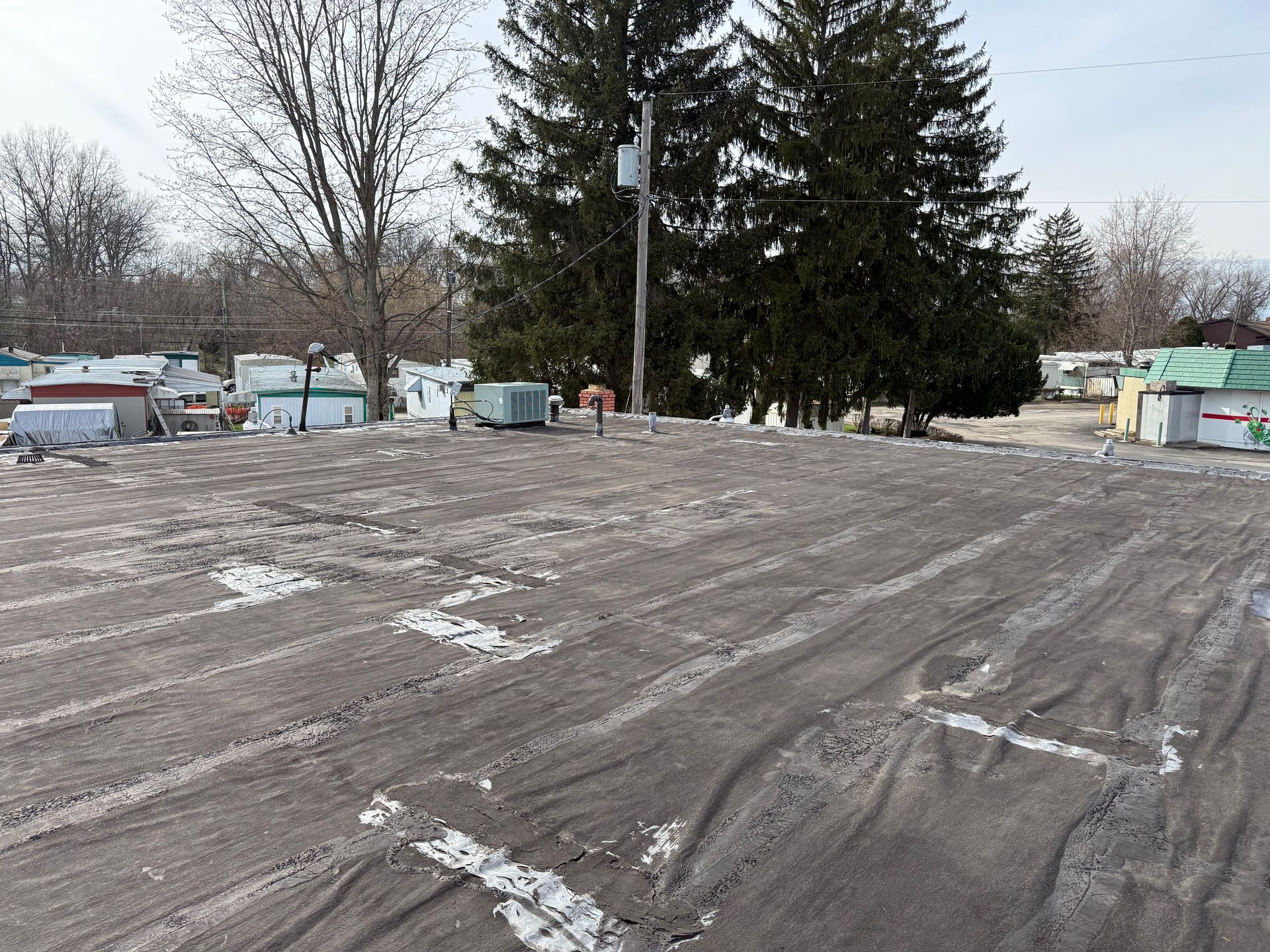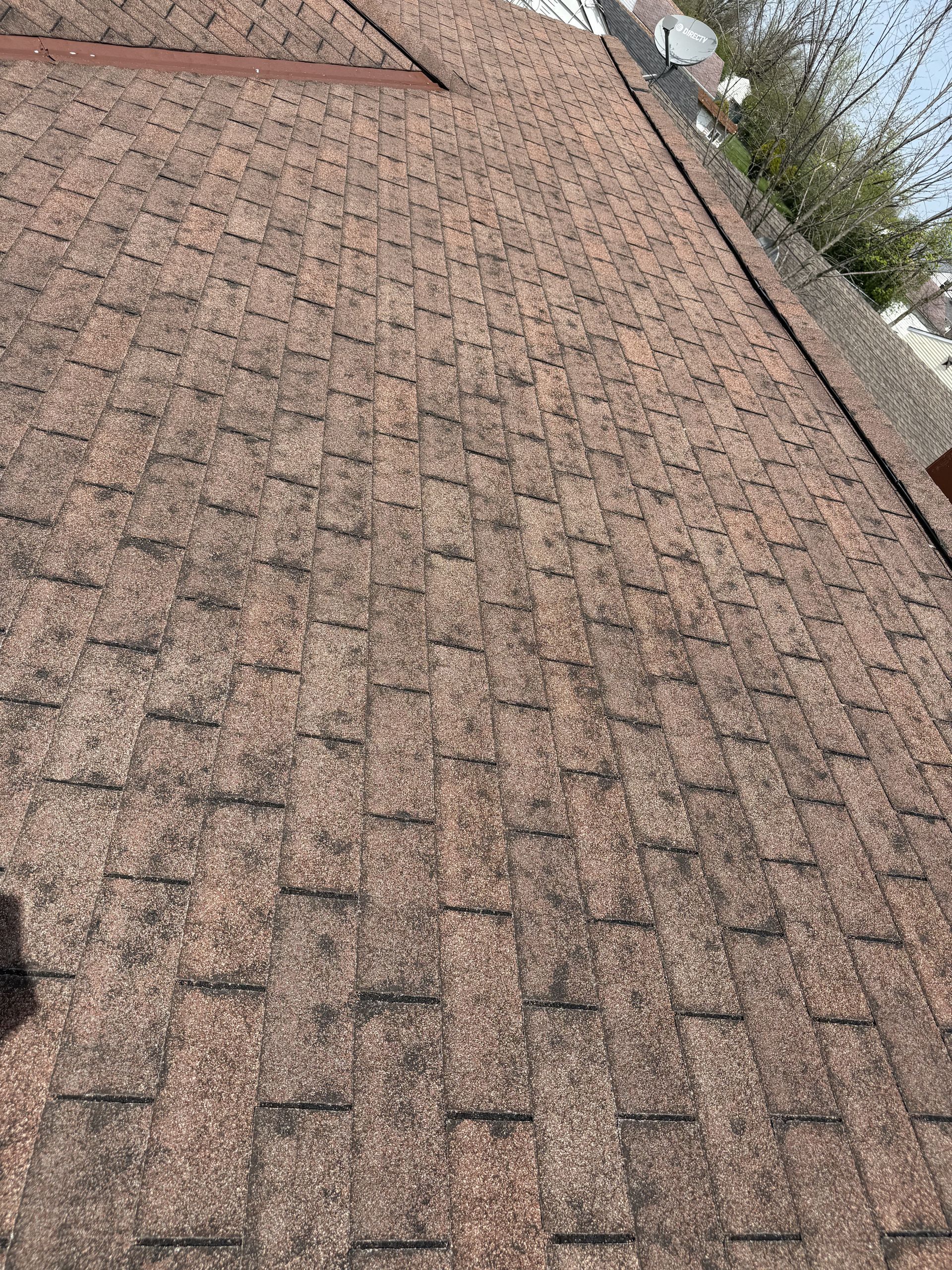
Why Installing a Roof in Winter Can Be Risky in Northeast Ohio
Replacing a roof is one of the most important investments a homeowner can make, but the time of year can affect how roofing materials are installed and how they perform afterward. In Northeast Ohio, winter temperatures, snow, ice, and unpredictable weather can create challenges that are not typically present during warmer months.
Can you replace a roof in winter in Ohio? Yes, but installing asphalt shingles in cold weather requires additional precautions. When temperatures drop, shingles become less flexible, adhesive sealing strips may not activate, and certain underlayments may bond poorly. These conditions can increase the risk of installation problems if they are not addressed.
Winter roofing is not automatically improper, and manufacturers provide specific instructions for cold-weather installations. However, for homeowners who have a functioning roof and are planning a replacement rather than addressing an emergency, waiting for more favorable temperatures can make the installation process more straightforward.
At ARC Contracting of Ohio, we believe homeowners should understand how temperature affects their roofing system before scheduling a replacement. Whether you're in Kent, Stow, Hudson, Akron, or elsewhere in Northeast Ohio, knowing the risks of cold-weather roof installation can help you make a better decision for your home.
Why Is Installing Asphalt Shingles in Winter More Difficult?
Asphalt shingles are manufactured to withstand changing weather conditions after installation, but the conditions during installation are just as important.
During warmer weather, asphalt shingles are generally more flexible, easier to handle, and better able to conform to the roof surface. Their factory-applied adhesive strips can also activate with sufficient warmth and sunlight, allowing the shingles to bond together.
When temperatures approach freezing, several parts of the installation process become more complicated. The shingles can become stiff, the adhesive may remain inactive, and roof surfaces can develop frost or ice. These conditions require additional preparation, handling techniques, and potentially different installation procedures.
The Asphalt Roofing Manufacturers Association (ARMA) provides specific cold-weather shingle installation recommendations, emphasizing proper material handling, manufacturer instructions, roof surface conditions, and additional sealing precautions.
Cold Temperatures Can Make Asphalt Shingles Brittle
One of the biggest concerns with winter roof installation is how cold temperatures affect the flexibility of asphalt shingles.
As temperatures decrease, asphalt shingles generally become stiffer and more susceptible to cracking or breaking when bent or handled improperly. This is particularly important around roof valleys, ridges, hips, and other areas where shingles must be manipulated to fit the roof.
If a shingle cracks during installation, it may compromise the protective roofing surface. Some damage may be immediately visible, while smaller fractures can be more difficult to notice.
Cold shingles may also retain the shape of the surface on which they were stored. If bundles are improperly stacked or shingles are installed before lying flat, the finished roof may develop an uneven appearance.
Professional roofing crews can reduce these risks through proper storage, careful handling, and appropriate installation conditions. However, the colder the weather becomes, the more attention these details require.
Asphalt Shingles May Not Seal Properly in Cold Weather
Perhaps the most important concern with installing asphalt shingles in winter is the activation of their adhesive sealing strips.
Most modern architectural asphalt shingles contain a factory-applied sealant designed to bond the shingles together after installation. This sealant is activated by sufficient warmth and sunlight rather than simply by driving nails through the shingles.
When a roof is installed during cold weather, the shingles may not develop their normal adhesive bond immediately. Depending on temperatures, roof orientation, sunlight exposure, and seasonal conditions, the sealant may not fully activate until warmer weather arrives.
This can be especially concerning in Northeast Ohio, where winter and early spring often bring strong winds.
Until the shingles properly seal, they may be more vulnerable to wind uplift. Proper nailing is essential, but the adhesive bond also plays an important role in the performance of the finished roofing system.
A newly installed roof can look complete while some shingles have not yet developed their intended adhesive seal.
That does not automatically mean the roof was installed incorrectly. However, it does mean the contractor must understand and follow the manufacturer's cold-weather installation procedures.
What Does Owens Corning Say About Installing Shingles Below 40°F?
Owens Corning provides specific cold-weather installation instructions for its Duration shingle products.
Under the manufacturer's Duration Series installation instructions, additional precautions apply when installing these shingles at temperatures below 40°F.
These instructions include careful shingle handling, specific spacing at shingle end joints, and hand-sealing shingles along the roof perimeter with approved asphalt roofing cement.
The additional sealing helps provide wind-uplift resistance when temperatures are too low for the shingles' factory-applied adhesive strips to activate.
These are not optional details that should be ignored simply because a contractor has experience installing roofs during winter.
For example, Owens Corning TruDefinition® Duration® shingles are designed to provide reliable protection when installed correctly, but the manufacturer still recognizes that cold temperatures affect installation.
It is also important to understand that 40°F is not a universal legal minimum temperature for installing shingles. Different roofing products and manufacturers may have different requirements. Some installations can take place below that temperature when the specified procedures are followed.
The important question is not simply whether a contractor can physically install shingles in cold weather. It is whether they can install the entire roofing system correctly under the conditions present on the job.
Cold Weather Can Affect Ice and Water Shield and Underlayment
A quality roof replacement involves much more than installing new shingles. Underlayment and ice and water protection are essential components of a complete roofing system.
Synthetic underlayment provides a secondary water-shedding layer beneath asphalt shingles, while self-adhering ice and water barriers offer additional protection in vulnerable locations such as eaves, valleys, and roof penetrations.
During winter, certain self-adhering roofing products can become more difficult to install because their adhesives are sensitive to temperature.
Some ice and water barrier products have specific minimum application temperatures. If the roof deck is too cold, wet, frosted, or otherwise unsuitable, the material may not bond as intended.
For example, Owens Corning WeatherLock® Flex is designed for cold-weather applications down to approximately 40°F. Other products may have different temperature requirements.
Attempting to install self-adhering underlayment outside its approved conditions can create adhesion problems, wrinkles, or areas where the membrane does not properly contact the decking.
The concern is not limited to the visible shingles. A roof's long-term performance depends on the correct installation of every layer beneath them.
Snow, Frost, and Moisture Can Create Problems With Roof Decking
Roof decking provides the structural surface on which the roofing system is installed. Most residential roofs use plywood, OSB, or properly prepared plank decking.
During a roof replacement, the existing shingles and underlayment are removed, exposing the decking to outdoor conditions.
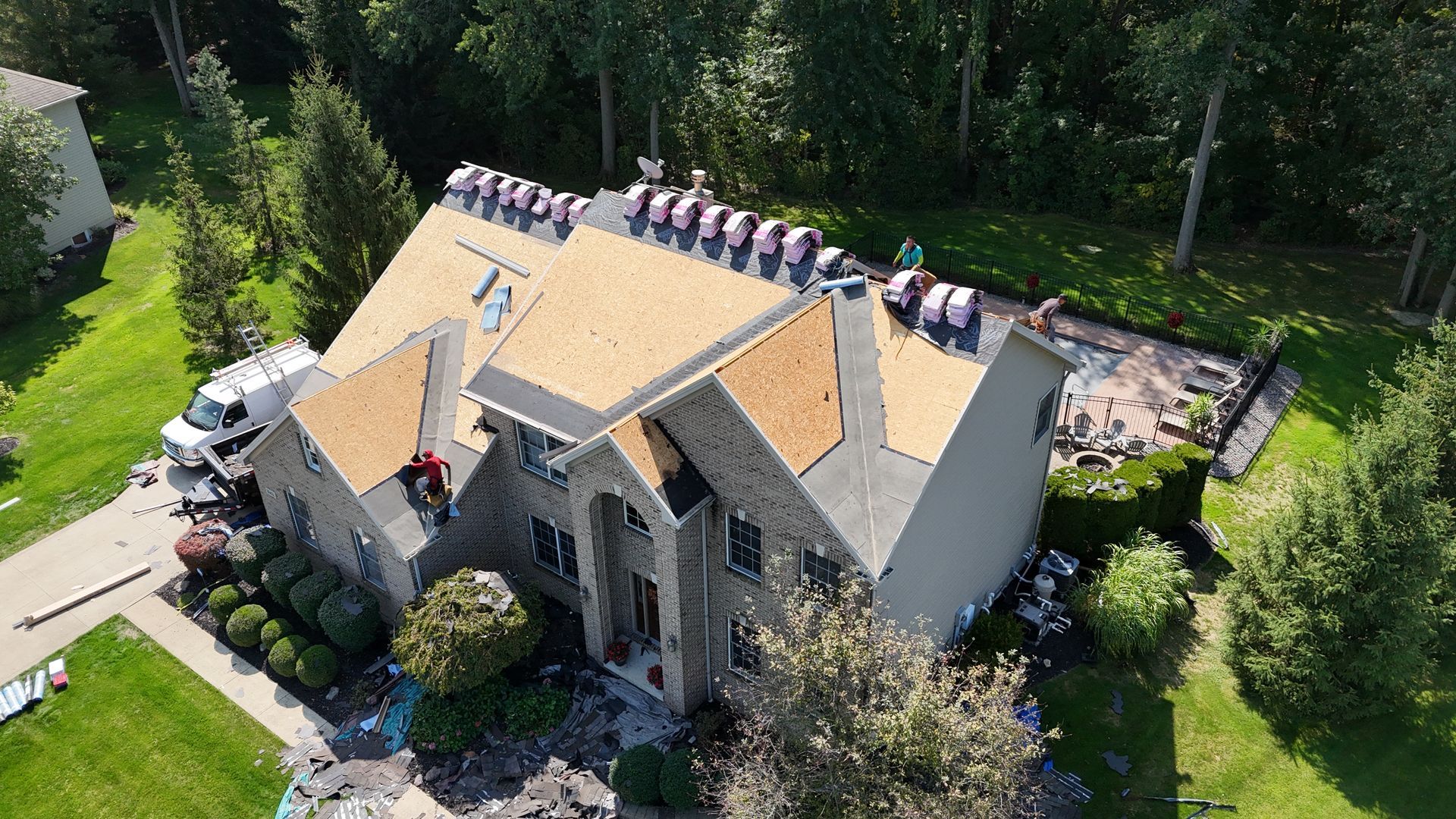
In winter, that exposure creates additional concerns because snow, frost, ice, or precipitation can accumulate on the roof before the replacement materials are installed.
Roofing materials should not simply be installed over wet, icy, or frost-covered decking without addressing the conditions and following the applicable product requirements.
Moisture trapped within a roofing assembly can contribute to problems involving the decking, underlayment, and other components. Wet or frozen surfaces can also interfere with adhesive products and make the installation less safe.
If deteriorated decking is discovered during a winter roof replacement, replacement work may also be more difficult because additional framing or sheathing materials must be installed while the roof remains exposed.
This is one reason proper weather planning becomes especially important during colder months.
Cold Weather Can Make Proper Shingle Fastening More Challenging
Roofing nails must be installed in the correct location, at the correct depth, and according to the manufacturer's fastening requirements.
When asphalt shingles become stiff in cold weather, they may not lie as flat against the decking during installation. If nails are driven through shingles that are not properly positioned, the roofing material can potentially be damaged.
Incorrectly driven nails can also create problems regardless of the season. Overdriven nails may damage the shingle, while underdriven nails may prevent shingles from lying flat or interfere with the course above.
A cold-weather installation requires careful attention to fastener placement, roofing material condition, and tool performance.
This is especially important with architectural shingles that use reinforced nailing areas, such as Owens Corning Duration shingles with SureNail® Technology.
Winter Roof Installation Creates Additional Safety Concerns
Roofing is already a physically demanding trade, and winter conditions can make the work considerably more hazardous.
Even when a roof appears clear from the ground, frost or thin layers of ice may remain on shaded surfaces. Snow, moisture, and freezing temperatures can increase the risk of slipping while removing shingles, carrying materials, or installing roofing components.
Shorter daylight hours also reduce the amount of time crews can safely work.
Additional weather delays can become necessary when temperatures change unexpectedly or snow and freezing precipitation move into the area.
A responsible roofing contractor should prioritize worker safety, the condition of the roof surface, and the requirements of the roofing materials rather than pushing forward simply to complete the job on a particular date.
What Temperature Is Too Cold to Install a Roof?
There is no single temperature at which every asphalt shingle roof installation automatically becomes prohibited.
However, 40°F is an important benchmark because several major roofing manufacturers identify temperatures around or below that level as requiring additional installation precautions.
Air temperature is also not the only consideration. The roof surface temperature, amount of sunlight, presence of frost or moisture, wind conditions, and forecast after installation can all affect the project.
For example, a sunny winter afternoon with temperatures in the upper 40s may provide much more favorable conditions than a cloudy morning at 25°F.
A roofing contractor should review the exact shingles, underlayment, and accessory products being installed rather than relying on a general statement that roofing can be performed at any temperature.
For planned residential roof replacements in Northeast Ohio, choosing a period with consistently favorable temperatures can reduce some of the complications associated with winter installations.
What If Your Roofing Contractor Says Installing in Winter Is Completely Fine?
If a roofing contractor tells you that winter installation is perfectly fine, that statement is not necessarily incorrect. Asphalt shingle roofs can be installed successfully during colder weather.
However, homeowners should be cautious if the contractor insists that temperature makes absolutely no difference or that no special precautions are necessary.
A knowledgeable roofer should be willing to explain how the installation will comply with the exact roofing manufacturer's instructions.
Ask what temperature range is expected during installation and whether the shingles require additional hand-sealing. The contractor should also be able to explain how the shingles will be stored, how the roof decking will be kept dry, and whether the underlayment and ice and water barrier are approved for the forecast conditions.
It is also reasonable to ask how the crew will address frost, snow, and weather delays.
Another important question involves the manufacturer warranty. Ask whether the proposed installation procedures meet the manufacturer's requirements and how that compliance will be documented.
A contractor's confidence should be supported by the manufacturer's installation instructions—not simply by the statement that they've installed roofs in winter before.
If you're uncertain about the proposed installation or believe the contractor is overlooking important details, consider getting another professional opinion before proceeding.
Will Installing a Roof in Winter Void the Manufacturer Warranty?
Installing a roof during winter does not automatically void the manufacturer's warranty.
The important issue is whether the roof was installed according to the applicable product instructions, including any special cold-weather requirements.
If shingles, underlayment, or other components are installed incorrectly, warranty coverage for resulting problems may be limited or excluded under the manufacturer's terms.
It is also important to distinguish between a manufacturing defect warranty and a contractor's workmanship warranty.
Manufacturer warranties generally address covered product defects, while workmanship warranties may address certain problems related to the installation itself.
Before signing a roofing contract, homeowners should understand what warranties are offered, who provides them, and how cold-weather installation could affect the requirements.
What If Your Roof Needs to Be Replaced During Winter?
Not every homeowner has the option of waiting until spring or warmer weather.
If your roof has experienced significant storm damage, severe deterioration, or active water intrusion, postponing necessary work could result in additional damage to the home.
In some cases, an experienced contractor may be able to complete a roof replacement during suitable winter conditions using the required cold-weather installation methods.
In other situations, temporary weather protection or targeted repairs may be a better option until conditions improve.
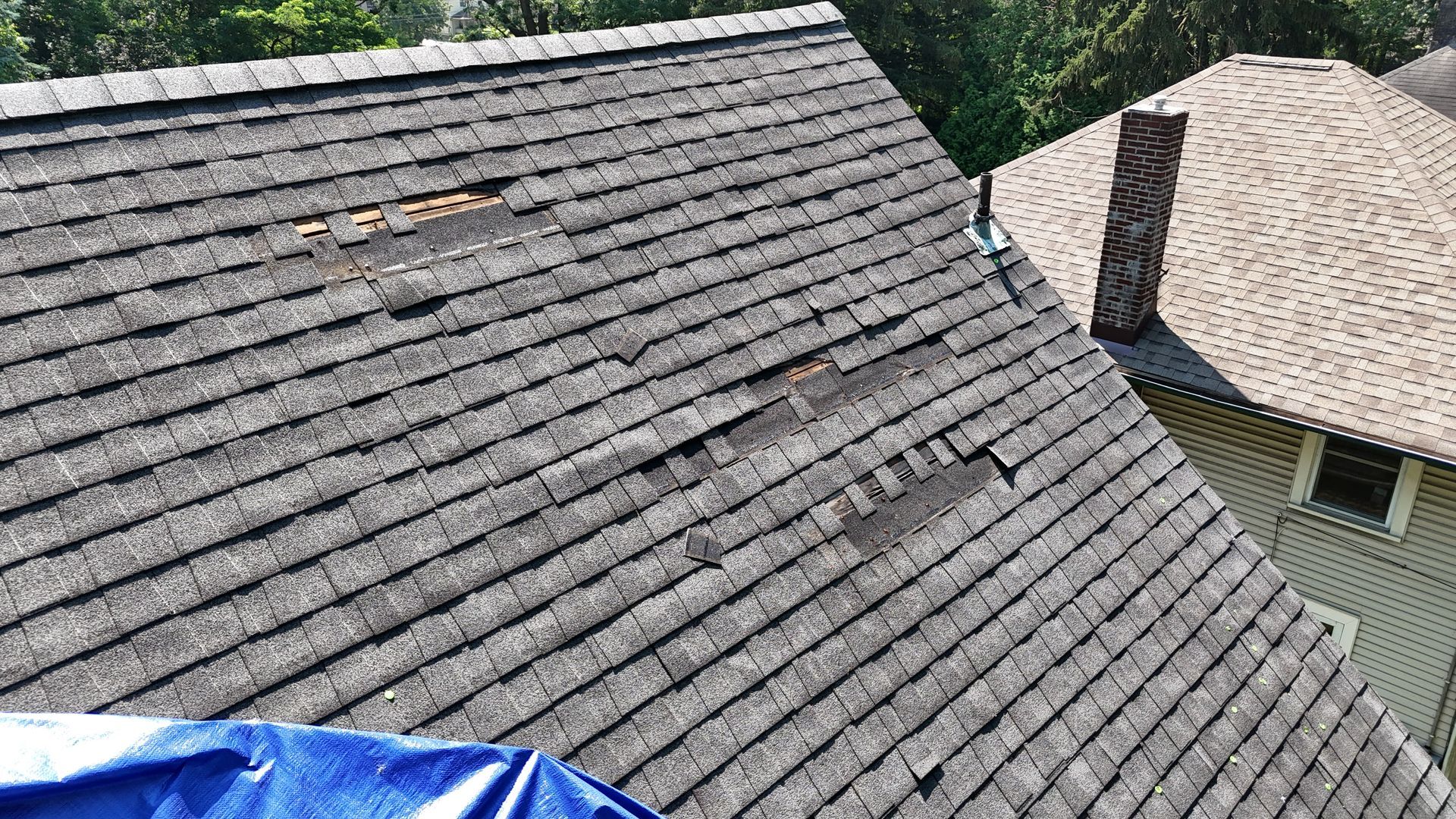
Temporary protective measures might include professionally installed tarping, repairs to damaged flashing, or replacement of isolated damaged shingles when conditions allow. These measures should be evaluated individually rather than treated as permanent solutions to every roofing problem.
If your roof is leaking, it is important not to ignore the issue simply because temperatures are low. Our article on what happens if you ignore a roof leak explains how continued moisture intrusion can affect decking, insulation, framing, and interior finishes.
Homeowners who are unsure whether they need immediate repairs or a complete replacement can also read our guide on how to tell if you need a roof repair or full replacement.
Does Winter Roofing Affect Commercial Buildings Too?
Cold-weather installation concerns are not limited to residential asphalt shingles.
Commercial and low-slope roofing systems, including TPO, EPDM, and PVC, have their own installation requirements involving membranes, adhesives, seam preparation, flashing, insulation, and substrate conditions.
Certain commercial roofing adhesives have minimum application temperatures, while some products are specifically formulated for colder-weather installation. Low temperatures may affect adhesive application, curing, material flexibility, and the ability to complete particular roof details correctly.
This does not mean that all commercial roof replacements must stop during winter. It means the contractor must select appropriate materials and installation methods for the conditions.
At ARC Contracting of Ohio, residential and commercial roofing involve different roof assemblies and installation considerations. Property managers and building owners can learn more about our commercial roofing services and the differences between TPO, EPDM, and PVC flat roofing systems.
Is It Better to Wait Until Spring to Replace Your Roof?
For homeowners with an aging but currently serviceable asphalt shingle roof, waiting until more favorable weather can be a practical choice.
Warmer installation conditions generally make shingles easier to handle and improve the opportunity for their adhesive sealing strips to activate. They can also reduce some of the challenges associated with frozen roof surfaces, snow, and temperature-sensitive roofing accessories.
However, spring is not automatically the best installation period for every project. Heavy rainfall, strong winds, and severe thunderstorms can interrupt roofing work during warmer seasons as well.
The goal should be to schedule the project during appropriate weather conditions rather than focusing entirely on the calendar.
If your roof is approaching the end of its expected lifespan, obtaining an inspection and estimate during winter can still be a good way to prepare for a future replacement.
Our guide to roof replacement costs in Northeast Ohio explains how roofing materials, size, decking conditions, and installation complexity affect project pricing.
Choosing the Right Roofing Contractor in Northeast Ohio
A quality roofing installation depends on much more than the brand of shingles selected.
Roof decking, ice and water protection, synthetic underlayment, flashing, ventilation, fasteners, and the finished roof covering must all work together to create a dependable roofing system.
Cold-weather installations place additional importance on following the manufacturer's requirements and recognizing when weather conditions are unsuitable for the work.
Whether you're planning a roof replacement in Kent, Stow, Hudson, Akron, Ravenna, or another Northeast Ohio community, choosing a contractor who understands the materials and installation requirements can help protect your investment.
ARC Contracting of Ohio provides professional residential roofing services, including roof inspections, repairs, replacements, and storm-damage restoration.
If your roof is showing signs of age, has experienced winter storm damage, or may need replacement, contact ARC Contracting of Ohio to schedule a professional roof inspection and discuss the best approach for your property.
Will asphalt shingles seal properly in cold weather?
Asphalt shingles use factory-applied adhesive strips that typically require sufficient warmth and sunlight to activate. During cold weather, those adhesive strips may not fully seal until warmer conditions arrive. Manufacturers may require additional hand-sealing or other precautions to provide protection before the normal adhesive bond develops.
What happens if shingles are installed before they seal?
Shingles that have not developed their intended adhesive bond may be more vulnerable to wind uplift. Proper fastening and any manufacturer-required hand-sealing are especially important during this period. Delayed sealing does not automatically mean the installation has failed, but the roof should be installed according to the manufacturer's cold-weather requirements.
Can asphalt shingles crack during winter installation?
Yes. Asphalt shingles generally become less flexible in cold temperatures and may crack when bent, dropped, or handled improperly. This is especially important around ridges, valleys, and other areas where shingles must be manipulated during installation.
Should I wait until spring to replace my roof?
If the roof is functioning properly and the replacement is planned rather than urgent, waiting for more favorable weather may make installation easier. However, if the roof is actively leaking or has significant damage, an inspection should not be delayed simply because it is winter. Repairs, temporary protection, or a properly planned winter replacement may be necessary.
Can commercial TPO roofs be installed during winter?
Yes, some commercial TPO roofing installations can be completed during winter using appropriate products and procedures. However, membrane adhesives, substrates, flashing materials, and other roofing components have specific temperature and installation requirements. The manufacturer-approved system and actual weather conditions determine whether installation is appropriate.
What should I ask a roofer before approving a winter roof replacement?
Ask which roofing products will be installed, whether the forecast temperatures meet the manufacturer's requirements, how cold-weather sealing will be handled, and how the contractor will keep the decking and underlayment free from snow, frost, and moisture. You should also ask about warranty requirements, weather delays, and how the installation will be documented.
Who provides residential roof inspections and replacement in Northeast Ohio?
ARC Contracting of Ohio provides residential roof inspections, roof repairs, replacements, and storm-damage restoration throughout Kent, Akron, Stow, Hudson, Ravenna, and surrounding Northeast Ohio communities. A professional inspection can help determine whether your roof requires immediate attention or whether replacement can be scheduled for more favorable weather.
Frequently Asked Questions About Winter Roof Installation